Category: Latest Articles

  • Deadpool & Wolverine Stars Love Eminence

    Deadpool & Wolverine Stars Love Eminence

    Roll cameras and action! Eminence Organic Skin Care is thrilled to hear about the latest blockbuster, Deadpool & Wolverine, starring Ryan Reynolds, Hugh Jackman as well as Eminence Organics fan Morena Baccarin. Our products have been the go-to for many superhero actors and even worked their movie magic in the makeup trailers of film sets like X-Men: Apocalypse and Captain America: Civil War. Find out which stars have enjoyed our products both on and off the silver screen.

    Morena Baccarin

    Deadpool & Wolverine star Morena Baccarin shines in the latest Marvel installment alongside Ryan Reynolds and Hugh Jackman. This action-packed film was primarily shot in Vancouver, coincidentally in the same city as the Eminence Organics Central Office.

    Morena spoke to The New York Post about her essential beauty products for her time on the road. With her busy schedule promoting the record-breaking Marvel movie, she shared that the Eminence Organics Facial Recovery Oil is a must-have in her beauty routine: “It is an amazing toning and hydrating oil. And for every product you buy [Eminence Organics] plant a tree!”

    Hugh Jackman and Michael Fassbender

    We were thrilled to see A-list actor and long-time Eminence Organics fan Hugh Jackman also featured in the latest Deadpool & Wolverine movie. We have had the pleasure of meeting Hugh and Michael Fassbender on the set of X-Men and X-Men: Days of Future Past.

    The Wolverine and Magneto actors loved our Stone Crop Hydrating Mist and the Yam and Pumpkin Enzyme Peel 5%. For the filming of X-Men: Apocalypse, Michael added more from the Stone Crop line, including our Stone Crop Gel Wash and Stone Crop Whip Moisturizer. 

    We wish Hugh Jackman the best of luck with his new movie and are delighted that his skin looks better than ever.

    Rose Byrne

    The elegant Rose Byrne was another star from the X-Men series, with the role of CIA agent Moira MacTaggart in X-Men: Apocalypse. A big fan of our skin care, including our Calm Skin Arnica Booster-Serum, Rose wrote to us, saying, “Thank you so much for my incredible facial and all your beautiful products. They are just so beautiful! Thank you!!” 

    Evan Peters 

    As speedy superhero Quicksilver, Evan Peters (American Horror Story: Hotel) became a fan favorite in the X-Men series. Evan used our products on the set of X-Men: Apocalypse and personally appreciated our organic, earth-friendly policies. He told us: “ Thanks for making wonderful products and for making the world a better place.” Evan swears by our Clear Skin line, using our Clear Skin Probiotic Cleanser, Clear Skin Probiotic Moisturizer, Clear Skin Probiotic Masque and also our Clear Skin Willow Bark Booster-Serum.

    Jeremy Renner

    Straight shooter Hawkeye actor Jeremy Renner made a guest appearance in the Captain America movie, Civil War. No spoilers on which side won him over in this Marvel universe flick but, when it comes to skin care, we do know he’s had the pleasure of trying our Clear Skin Probiotic Cleanser.

    Do you share a product favorite with one of these A-list stars? Let us know in the comments below. 

  • Food Cravings? Manage Them With an Intuitive Approach

    Food Cravings? Manage Them With an Intuitive Approach

    by Caitlin H,

    May 13, 2024

    Food Cravings

    Food cravings are a part of life.

    Whether you find your mind wandering to how nice it would be to enjoy a favorite baked good or feel an insatiable need for a childhood staple, cravings are real.

    For some people, they’re harmless. But for others, they can quickly get out of hand, leading to overeating and excess calories that derail weight loss plans and make achieving goals pretty darn impossible.

    Let’s dive deeper into food cravings — their causes, how analyzing them may help us explore ourselves on a deeper level, and how to manage them.


    What Causes Food Cravings?


    Food cravings are caused by various factors — sometimes physical, and sometimes mental. They can even signal an underlying medical condition, so it’s best not to ignore them.


    Sleep Deprivation: Not getting enough sleep can disrupt your hormone balance, making it more challenging to regulate hunger and fullness.

    Lack of Nutrients: If you’re not getting filling nutrients like protein and fiber, you may experience cravings even if you’re taking in recommended daily calories.

    Hunger and Fullness Hormone Disruption: Certain people may have an imbalance of leptin and ghrelin, causing them to experience food cravings more often than others.

    Lack of Hydration: Drinking enough water and other healthy fluids is essential to staving off cravings.

    Pregnancy: Pregnant women often experience hormonal changes that influence taste and smell, causing more intense cravings.

    Exercise: Believe it or not, increasing your level of exercise may help reduce food cravings. On the flip side, not exercising may cause a spike in cravings.


    Stress and Anxiety: Constant worrying and feeling stretched thin tends to cause stress levels to spike, which in turn increases your cortisol production. Studies have linked higher levels of cortisol to binge-eating behaviors.

    Your State of Mind: For some, feeling down or sad can trigger cravings. For others, feeling happy and exuberant can do the same.

    Mental Context: Your mind may associate certain foods with specific situations, such as a corn dog at a fair. The next time the situation arises, you may find yourself craving the food you’ve already associated with it.

    Personality: Some studies have linked food addiction and cravings to certain personality types, such as those who are more impulsive or those who have traits associated with addictive personalities.


    An Intuitive Approach


    It can feel tempting to take a restrictive approach to managing cravings, but that’s unlikely to work in the long run. Instead, taking an intuitive approach by analyzing what’s behind your cravings can ultimately lead to long-term successful outcomes, rather than trying to restrict yourself constantly.

    Here are some concrete steps you can take to do just that.


    Whenever a craving arises, pause and sit with the sensation, trying to understand what’s going on in your day that led to it. Focus on the five senses:


    Where is the feeling in your body?
    What sensations, memories, or mental images are you experiencing?
    Where is the craving coming from?


    Taking time to explore your triggers is the best first step to deciding whether you need this food or can go without it.


    Next, ask yourself if you can take another approach to deal with the craving rather than giving in to it. Examples include:


    Drinking water
    Going for a walk
    Calling a family member or friend
    Napping
    Taking a bath
    Reading a book


    Replacing the thought of food with an experience may make the craving less intense.


    There was a time when your body naturally told you when you were full, and you stopped eating. As we grow up, some of us lose that ability and instead allow our food addiction to take the steering wheel.

    Instead, focus on your belly’s sensations: Is it full? Empty? Does it feel warm? Cold? Think about it and anything that comes to mind — there are no wrong answers here.

    As you focus on it, take some deep breaths for a few minutes and feel whether you want to eat the food you’re craving. Whether you do or don’t, it’s fine.

    These steps help you listen to your body and trust it’s working for you.


    The more you practice the two steps above each time you get a craving, the better you’ll be able to recognize your body’s natural cues.

    Recognizing your body’s natural cues allows you to block out the constant clutter and messaging society throws out, instead getting in touch with your unique triggers and desires.


    Cravings are natural for everyone, but if you’ve associated them with unhealthy eating habits or feeling sick in the past, it can lead to being afraid you’ll lose control whenever they arrive.

    Instead, embrace them. Recognize they will be a part of your life and may indicate a need or allow you to learn about yourself.


    Taking all the steps above can set you up for success in seeing if there’s something else you can try to mitigate the craving instead.

    This is extremely personal for everyone and can be any number of things, such as love, acceptance, friendship, rest, intimacy, and more.


    The Bottom Line


    Ultimately, taking the time to ask what’s going on and slowing down to explore the cravings on a deeper level is a powerful way to learn about yourself and take the steps necessary to manage those cravings for life.


    ————————————————————————————


    Author: Caitlin H
    Diet-to-Go Community Manager

    Caitlin is the Diet-to-Go community manager and an avid runner. She is passionate about engaging with others online and maintaining a healthy, active lifestyle. She believes moderation is key, and people will have the most weight loss success if they engage in common-sense healthy eating and fitness.


    Lifestyle/Wellness

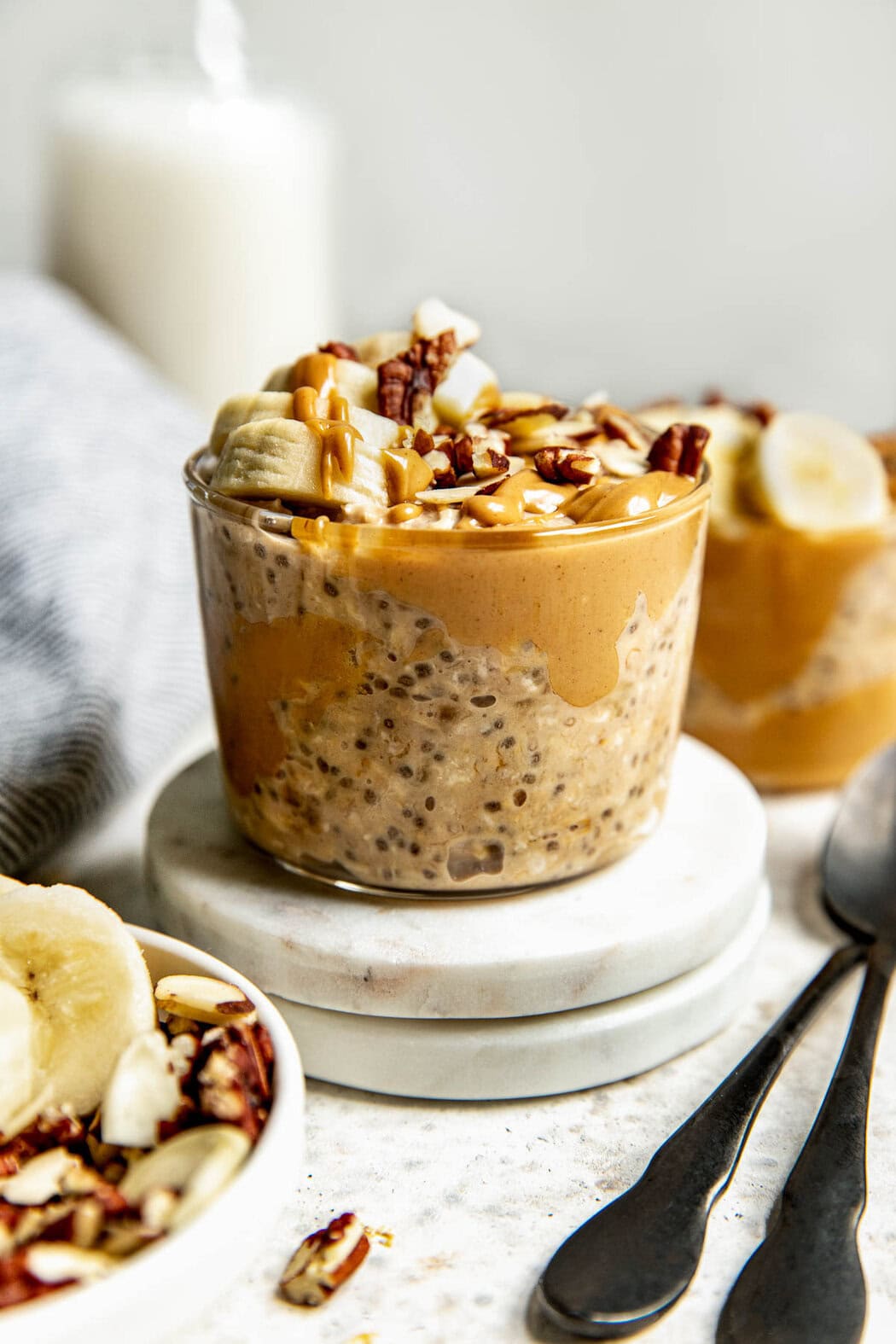
  • Peanut Butter Banana Overnight Oats

    Peanut Butter Banana Overnight Oats

    Peanut Butter Banana Overnight Oats


    Privacy & Cookies Policy

  • Editor’s Picks: Testing The Daily Defense Tinted SPF

    Editor’s Picks: Testing The Daily Defense Tinted SPF

    Being passionate about skin care means my quest for the perfect daily SPF is practically never-ending. While many sunscreens are effective, finding one that includes everything I’m looking for isn’t as straightforward as it may seem. For me, a tinted formula that offers broad-spectrum protection is a non-negotiable. As the Digital Content Writer at Eminence Organic Skin Care, I have the opportunity to try a wide range of skin care products. When I was gifted the Daily Defense Tinted SPF, I was excited to explore its potential benefits and see how it would fit into my skin care routine. Here’s how it went.

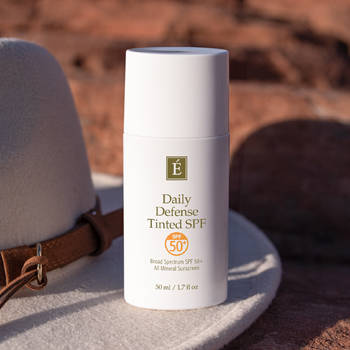
    Daily Defense Tinted SPF

    A Quick Reminder That SPF Is Essential

    Let’s talk about why SPF should be your skin care BFF. Defending your skin against sun damage is one of the most effective ways to slow down the visible signs of aging and keep your skin firm and healthy. By now, we (probably) all know the drill about SPF, but misconceptions about sunscreens being thick and greasy can scare many people away from using them regularly. Here are a few reasons why incorporating sunscreens into your daily routine is a game-changer:

    Prevents Premature Aging: Think of SPF as your shield against premature wrinkles, fine lines and dark spots. Regular use helps keep your skin firm and youthful by protecting it from harmful UV rays that break down collagen and elastin, which are essential for maintaining a firm-looking complexion.
    Lowers Skin Cancer Risk: Consistent use of sunscreen significantly reduces the risk of developing skin cancers, including melanoma and squamous cell carcinoma. These lesions are often caused by sun exposure, so layering on the sunscreen is a simple step with big benefits.
    Protects Against Sunburn: One of the immediate benefits of using SPF is its ability to prevent sunburn. Sunburn not only causes immediate pain and discomfort but also increases the risk of skin cancer and contributes to long-term skin damage, such as saggy or wrinkled skin. 

    With these reasons in mind, I decided to try the Daily Defense Tinted SPF to see how it fits into my routine and to experience it firsthand.

    Applying the Daily Defense Tinted SPF

    I started incorporating the Daily Defense Tinted SPF as the finishing step in my morning skin care routine. One of the features that immediately caught my attention was its SPF 50+ broad-spectrum protection that provides a reliable shielding effect from harmful UVA and UVB rays. This tinted SPF also contains a unique blend of mineral-derived compounds designed to add a subtle, even-toned glow to the complexion so I was curious to see if it worked well for me.

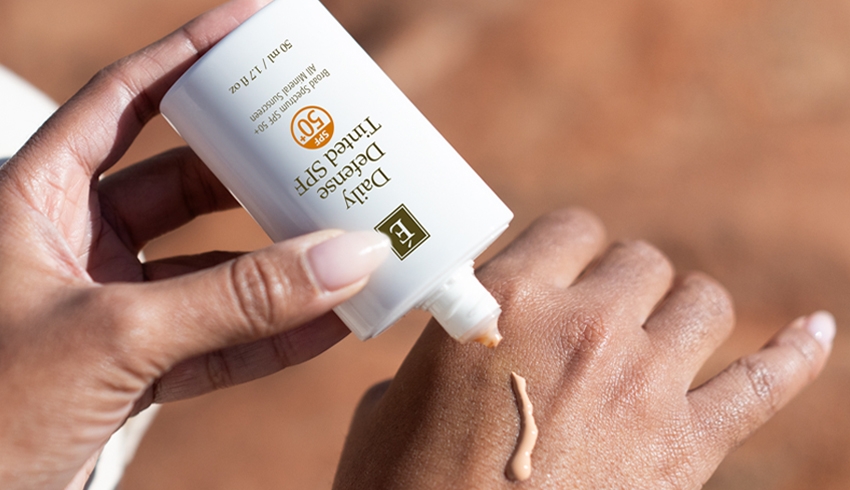
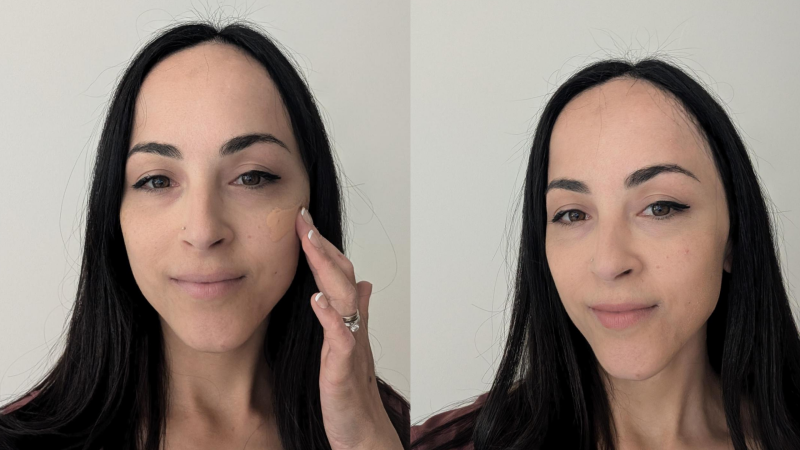
    Following the instructions on the packaging, I shook the bottle before applying 1/4 tablespoon of this SPF evenly across my face and neck. The lightweight formula pleasantly surprised me, and I found it blending seamlessly into my skin without a greasy residue. The subtle tint also helped to even out minor imperfections, making my skin look fresh and healthy. 

    Reapplying sunscreen every two hours is essential for continuous protection. But on those days when my skin is exposed to pollutants, sweat or debris, the Eminence Organics Product Support Team reminded me to cleanse and refresh my skin before reapplying. This quick three to four-step routine ensures the SPF stays effective without trapping any impurities underneath, which may result in clogged pores. Please note that when I say a “quick three to four-step routine,” I mean a simplified skin care routine to keep your skin refreshed before reapplying SPF. This might include:

    Cleanse: Use a gentle cleanser to wash away dirt and impurities.
    Tone: Apply a refreshing toner to balance your skin’s pH.
    Moisturize: Use a light moisturizer to keep your skin hydrated.
    Reapply SPF: Finally, reapply 1/4 tablespoon of your Daily Defense Tinted SPF to your face and neck to maintain protection.

    A routine similar to this helps the skin to remain clean and fresh, preventing any trapped impurities beneath the SPF layer while maintaining effective sun protection. 

    Testing The Daily Tinted SFP: The Results

    Since I was heading to the lake for the weekend, it was the perfect opportunity to give the Daily Defense Tinted SPF a longer test run. On a scorching 86-degree day (30-degree Celsius), I spent my time swimming, paddleboarding and lounging on the sand. I made sure to reapply every two hours, or immediately after each dip in the water. The sunscreen provided excellent protection without feeling heavy or greasy. The tint gave my skin an even, natural glow, keeping my complexion radiant throughout the day. This was especially appreciated on lake days when I didn’t feel like applying makeup to have it washed away immediately. I felt confident and protected, knowing my skin was well-shielded from the sun’s harmful rays, allowing me to enjoy my weekend worry-free.

    The initial apprehension about it being thick and oily was completely dispelled. I was also worried about how the product would blend in with my skin. Instead, I found the tinted formula provided natural-looking coverage that evened out my skin tone and blurred out some of the dry patches on my skin. 

    Ingredients That Make a Difference

    Curious about what makes the Daily Defense Tinted SPF so effective, I took a closer look at its key ingredients. One major asset? It’s an all-mineral sunscreen, meaning that the sun-blocking minerals sit on top of the skin rather than being absorbed, which reduces the likelihood of clogged pores or skin irritation. Unlike chemical sunscreens that get absorbed, the minerals in this formula provide a protective barrier on the skin’s surface.

    Zinc Oxide: A natural mineral that blocks UVA and UVB rays, providing broad-spectrum protection.
    Rosemary Extract: Rich in antioxidants, this extract helps protect the skin from drying environmental stressors.
    Prickly Pear Seed Oil: A botanical emollient that maintains hydration, supports the skin’s moisture barrier and visibly minimizes the look of dark spots.
    Jojoba Seed Oil: An emollient and source of vitamin E, known for nourishing the skin.
    Aloe Leaf Juice: Derived from the leaves of the aloe plant, it hydrates and softens the look of the skin.
    Rice Bran Extract: A powerful antioxidant that brightens and improves the overall appearance of the skin.

    Final Verdict

    The Daily Defense Tinted SPF provides excellent sun protection, but it also enhances my skin’s appearance with its lightweight, tinted formula. It has debunked the myths I was holding onto that say SPF products are thick and oily, proving that a good sunscreen can be a seamless part of your daily regimen. This product has earned a permanent spot in my morning skin care routine, ensuring my skin stays protected and radiant every day.

    Have you tried the Daily Defense Tinted SPF? Share your experiences in the comments below or connect with us on social media.

  • What’s the Best Moisturizer for Dry Skin? Here’s How to Choose

    What’s the Best Moisturizer for Dry Skin? Here’s How to Choose

    For those of you who have dry skin, using a heavy, rich, and thick moisturizer seems like the obvious choice to provide much-needed moisture. But what if you are using what feels like a good moisturizer, yet your skin is still dry, flaky, or even itchy? The reason for this may be that you are using a poorly formulated moisturizer.

    Finding the right moisturizer to hydrate dry skin lies in the ingredients used in the formula – ones that actually repair what causes dry skin. There have been many breakthroughs in the science of moisture retention and it all comes down to choosing the right ingredients.

    Let’s take a look at what causes dry skin, the ingredients to look for, which ones to avoid, and how to choose the best moisturizer for dry skin.

    What Causes Dry Skin and How Does a Good Moisturizer Help?

    The first thing you should know is that dry skin is different than dehydrated skin in that it lacks oil—not water. Since the skin relies on oil to retain moisture, lacking it means you have a compromised skin barrier. Translation? Your skin starts to exhibit all the negative characteristics of dry skin you’re already familiar with, including texture issues and advanced signs of aging. Dry skin can also act more sensitive due to the disruption in your skin barrier. When healthy, this barrier acts as a shield to keep irritants out.

    It’s fairly easy to tell if you have dry skin based on how it looks and feels. Generally speaking, dry skin will have a rough texture, minimal breakout activity, small-to-medium pore size, and increased sensitivity and redness. Often, people who have dry skin struggle with a dull complexion, which is why I recommend using energizing products to boost circulation (such as the Energy Boosting Toner). 

    By finding a good moisturizer, you can not only nourish the skin, but also form a protective layer on the skin’s surface, preventing moisture loss and external irritants from penetrating. They can also help soothe irritation and itchiness associated with tight, dry skin.

    If you’re still unsure of whether or not you have dry skin, I encourage you to take the Skin Type Quiz. It’s the easiest way to learn about your skin type. Just answer a few simple questions, and it will give you an accurate result, along with personalized product recommendations.

    What is a damaged lipid barrier?

    Your skin has a moisture barrier made of natural lipids that keep moisture in the skin and irritants out. When this barrier is damaged, it creates tiny, invisible cracks in the skin that allow moisture to escape (causing dry, flaky skin) and irritants to enter more easily (making even sensitive skin products cause a stinging, irritating sensation).

    To repair dry, flaky skin, look for the following soothing, barrier-repairing ingredients when choosing a moisturizer.

    Best Skincare Ingredients that Help Repair Dry Skin

    Plant Oils

    Remember how I said dry skin lacks oil? An easy way to give it what it needs is to use skincare products that contain certain plant oils. Personally, I love jojoba oil, rosehip seed oil, and borage seed oil. They’re full of fatty acids that can help support and repair the lipids in the moisture barrier. Other great options include:

    Bois De Rose OilCarrot OilEvening Primrose OilCranberry OilSunflower OilSoybean OilSafflower OilSweet Almond OilCanola OilSesame Seed Oil 

    Ceramides

    Ceramides are lipids that play a large role in supporting the moisture barrier. They act as a skin protectant and moisturizer, which is why you’ll often find them in restorative products formulated for sensitive skin types.

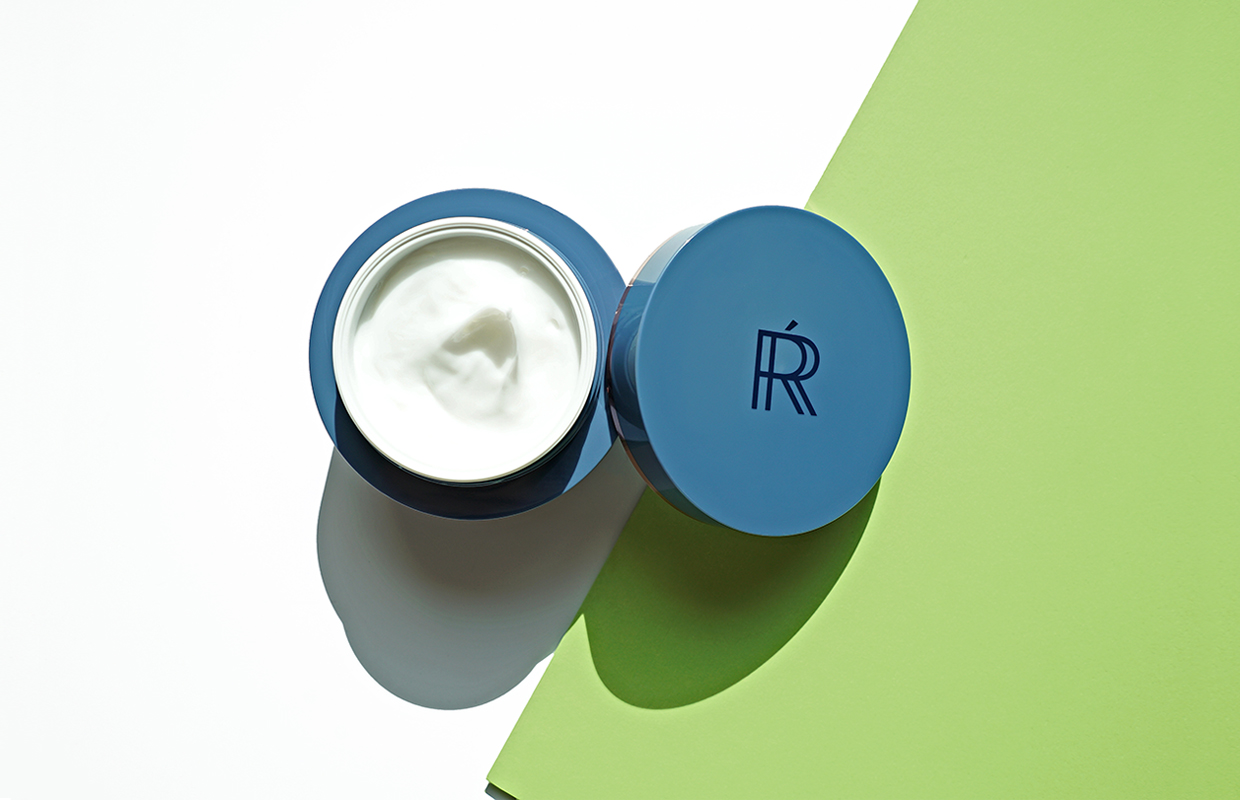
    You can find ceramides in the Pure Radiance Creme Masque. I formulated this mask with a combination of moisturizing plant oils to leave dry skin smooth, supple, and comfortable.

    Linoleic/Linolenic Acids

    These essential fatty acids are key components of the skin’s natural barrier, helping to strengthen the skin’s protective barrier, improve hydration, reduce inflammation, and make skin softer and smoother overall. 

    Squalane

    This ingredient is fantastic for keeping skin moisturized, as it not only mimics the natural oils that our skin produces, but also is a lightweight way to boost hydration. It absorbs quickly, is non-comedogenic, and provides additional antioxidant properties as well.

    Linoleic Acid

    This omega-6 fatty acid acts as a building block for the lipids that form the skin’s protective layer, preventing moisture loss and protecting from irritants.

    Tocopheryl Linoleate

    A form of vitamin E, this is particularly helpful not only in providing a boost of hydration, but also protecting the skin from environmental aggressors and soothing dry, irritated skin.

    Phytosterols

    Essentially, these help restore and maintain the skin’s barrier by mimicking the skin’s natural lipids, locking in hydration, and reducing inflammation, keeping skin balanced.

    Shea Butter

    This ingredient is a botanical extract that acts as an emollient, meaning it softens the skin and seals in moisture. It’s barrier-repairing and skin-protecting, and it’s considered safe for sensitive skin types since it’s known to soothe irritation.

    You can find shea butter in multiple Renée Rouleau moisturizers.

    These ingredients will correct both the lack of oil and lack of hydration deep within your skin and actually repair the skin’s lipid moisture barrier to make your skin moist, supple, and smooth. It’s a fact that hydrated skin is healthy skin, so start looking at your ingredient labels to find the perfect moisturizer for your dry, flaky skin.

    Other Ingredients that Repair Your Skin Barrier

    There are many more barrier-repair ingredients, but the ones listed above are some of the more common moisturizing agents and the ones I like to use in the Renée Rouleau product line. 

    Best Overall Moisturizer for Dry, Flaky Skin

    When it comes to dry skin, there are two superstar moisturizers that come to mind.

    For dull skin in need of a boost, there’s nothing better than Glow Enhancing Creme. This luxurious cream formulation delivers vital lipid rich oils to repair the skin’s damaged moisture barrier. This cream will hydrate and plump skin.

    If your dryness stems from retinol or retinoid-use, over-exfoliation, laser treatments, chemical peels, accutane, eczema, or rosacea, then I highly recommend Phytolipid Comfort Creme. This is the perfect way to restore and calm the skin. Using an age-defying formula with advanced moisturizing lipids and calming plant extract, this effectively makes skin less dry and sensitive over time.

    Best Moisturizer for Oily Skin

    For those of you with sensitive, breakout-prone skin, it’s best to seek out lightweight, oil-free moisturizers, like Skin Recovery Lotion. This moisturizer uses water-binding hydrators like hyaluronic acid and glycerin to address all symptoms of a compromised barrier, including dehydration, flaking, and redness caused by harsh acne treatments.

    If you only experience the occasional breakout but are looking for hydration and anti-aging results, Sheer Moisture Lotion is the perfect choice. Using time-released antioxidants and niacinamide, this high-performance lotion offers brightening benefits, exceptional hydration, and leaves skin feeling plump, without clogging pores.

    Using a Skin Oil for Dry Skin

    If you prefer using a skin oil for your dry, flaky skin, that is totally fine. As the Head of New Product Development at Renée Rouleau Skin Care, I am happy to share that we have something special in the works… Stay tuned!

    Skincare Ingredients to Avoid if Your Skin is Dry

    It’s just as important to know which ingredients to avoid when caring for dry skin. Here are a few I suggest staying away from…

    Drying Alcohols

    If you’re a regular reader of my blog, you know I dislike drying alcohol ingredients, like SD Alcohol 40, Denatured Alcohol, Ethanol, and Isopropyl Alcohol. These are found in many skincare products, but I can’t stand to see them in toners. That’s because toners are meant to hydrate the skin, and these ingredients can strip moisture and cause excess dryness. It doesn’t make much sense, does it? That’s why all Renée Rouleau toners are alcohol-free!

    The only exception to this rule is acne spot treatments. Sometimes, these drying ingredients can be beneficial for drying out blemish-causing bacteria. Since dry skin types have minimal breakout activity in the first place, I’d recommend avoiding them.

    Sulfates

    Sulfates are used as cleansing agents, which is why they’re commonly found in cleansers. Like the aforementioned alcohols, sulfates can strip too much moisture from the skin, causing dryness. That’s why I recommend avoiding skincare products that list ingredients like Sodium Lauryl Sulfate or Ammonium Lauryl Sulfate on their labels.

    Be sure to avoid any product that leaves your skin feeling tight. Look at your cleansers and make sure to avoid the ingredients Sodium Laureth Sulfate and Ammonium Laureth Sulfate, as these only further damage the skin’s barrier. If you’re using the wrong cleanser, you’re instantly stripping moisture out of the skin, which is the worst thing you can do for dry skin.

    All Renée Rouleau cleansers are sulfate-free so you can rest assured they won’t strip moisture from your skin!

    Moisturizers Don’t Have To Be Greasy!

    Surprisingly, a moisturizer for dry skin doesn’t need to be greasy, oily or even thick. If you have used any of the Renée Rouleau moisturizers, you may notice that the ones for dry skin aren’t really that heavy.

    Many of my clients think they need something with a greasier texture, but this is simply not the solution. What is important is that it is loaded with a blend of barrier-repairing ingredients that, with continued use, will help the skin retain its moisture. This will alleviate any tightness and flakiness due to dryness, instead leaving skin moist, supple, and perfectly hydrated.

    Also, note that humectant ingredients like glycerin, hyaluronic acid, sodium hyaluronate, sorbitol, urea, and sodium PCA all help to attract water from the dermis into the epidermis, which is a good thing, but these alone will not solve dry skin.

    Don’t Forget to Exfoliate

    When it comes to dry, flaky skin, exfoliation is very important and is a part of a skin care routine that shouldn’t be overlooked. Dry skin often accumulates dead skin cells, causing that flaky texture that so many of us experience. Removing this buildup will leave your skin visibly brighter and smoother, allowing hydrating serums and moisturizers to penetrate more effectively.

  • A Look at the Most Popular Prescription Weight Loss Drugs

    A Look at the Most Popular Prescription Weight Loss Drugs

    by Caitlin H,

    May 20, 2024

    Exploring Ozempic, Wegovy, Zepbound, and Mounjaro and their effectiveness.
     

    Weight Loss Drugs

    GLP-1 agonist weight loss drugs (think Ozempic and Wegovy) are all the rage right now, available at clinics and spas nationwide. They promise users a quick way to shed pounds, and many studies show they are quite effective in doing just that.

    But do they work long-term? What are the downsides? And are they right for you? Here’s a deeper look at these weight loss drugs, including pros and cons and how to use them most effectively paired with your Diet-to-Go meals.


    How Do GLP-1 Agonist Weight Loss Drugs Work?


    GLP-1 agonist drugs like semaglutide (Ozempic and Wegovy) and tirzepatid (Mounjaro and Zepbound) work by imitating a hormone that releases insulin. That, in turn, brings down blood sugar levels, telling the brain you’re full and lowering appetite.

    Doctors prescribe Ozempic and Mounjaro to people with type 2 diabetes, while the FDA specifically approved Wegovy and Zepbound for weight loss.


    How Effective Are These Drugs?


    Studies show that these weight loss drugs are extremely effective. For example, Wegovy helped 1,961 adults with BMIs of 30 or more lose an average of 15% of their body weight compared to a placebo group — as outlined in the results of a 2021 clinical trial. Another study of Ozempic users found statistically significant weight loss in users compared to the placebo group, as did studies of Mounjaro and Zepbound.

    However, while users of these drugs are likely to see results, Radio Host and Sports Medicine Physician, Dr. Gabe Mirkin cautions that the studies fail to outline the full picture.

    “Most people have regained two-thirds of their lost weight within one year after they stop taking these drugs,” Mirkin wrote in a recent article.

    That means most users would have to continue taking the drug to keep the weight off, a fact which itself comes with challenges surrounding cost, supply shortages, and unpleasant side effects.


    High Costs, Low Supply, and Adverse Reactions


    The most difficult hurdle for most people to overcome when it comes to long-term usage of weight loss drugs is cost, with insurers less likely to approve them and out-of-pocket costs topping well over $1,000 a month.

    “In 2022, about 60% of the new weight-loss drugs were approved by insurers, but today fewer than 25% are covered by insurance,” Mirkin said.

    Supply shortages are another problem, particularly with specific weight loss drugs like Wegovy, as demand surges.

    Providers at clinics, spas, and telehealth services also tend to prescribe them improperly, even referring customers to pharmacies that offer unapproved knockoffs.

    Side effects have the potential to be extremely unpleasant and can include:


    Nausea and vomiting
    Stomach pain
    Diarrhea
    Pancreatitis and kidney issues (in rare cases)


    Despite the challenges, many people have found them worthwhile, including celebrities like Oprah, who publicly announced her own usage of them and how she found success via a holistic approach.


    How to Use Them Most Effectively


    In late 2023, Oprah joined a growing list of celebrities who announced they used weight loss drugs like Ozempic to maintain their weight. She explored the latest trend in her special, “Shame, Blame, and the Weight Loss Revolution,” where she echoed what many experts say.

    Weight loss drugs are most effective if users combine them with other healthy lifestyle changes that involve incorporating fitness and, most importantly, healthy eating.

    Diet-to-Go’s meal plans are specifically made for a wide variety of people who want to eat delicious, nutritionally balanced meals without much thinking. Our meal plans include:


    “Recent studies show that GLP-1 agonists and bariatric surgery may help with weight loss, but the excess weight usually returns soon after you stop taking the drugs or have the surgery,” Mirkin wrote. “Before you take GLP-1 agonist weight-loss drugs or have bariatric surgery, be ready to follow the lifestyle changes necessary for long-term weight loss.”


    How Can I Get the Weight Loss Drugs?


    Prescriptions for weight loss drugs depend on your medical situation and history. However, many providers and insurers base it on your body mass index (BMI).

    Patients must have a BMI of 30 or more, or 27-29 combined with another condition, such as high cholesterol or blood pressure.
    The best way to determine if you’re a candidate is to discuss your options with your doctor.


    The Bottom Line


    Ultimately, weight loss drugs like Wegovy, Ozempic, Zepbound, and Mounjaro may be highly effective while using them. However, ensuring results last a lifetime entails a multi-pronged approach that includes fitness and healthy eating, too.


    ————————————————————————————


    Author: Caitlin H
    Diet-to-Go Community Manager

    Caitlin is the Diet-to-Go community manager and an avid runner. She is passionate about engaging with others online and maintaining a healthy, active lifestyle. She believes moderation is key, and people will have the most weight loss success if they engage in common-sense healthy eating and fitness.


    Nutrition Science

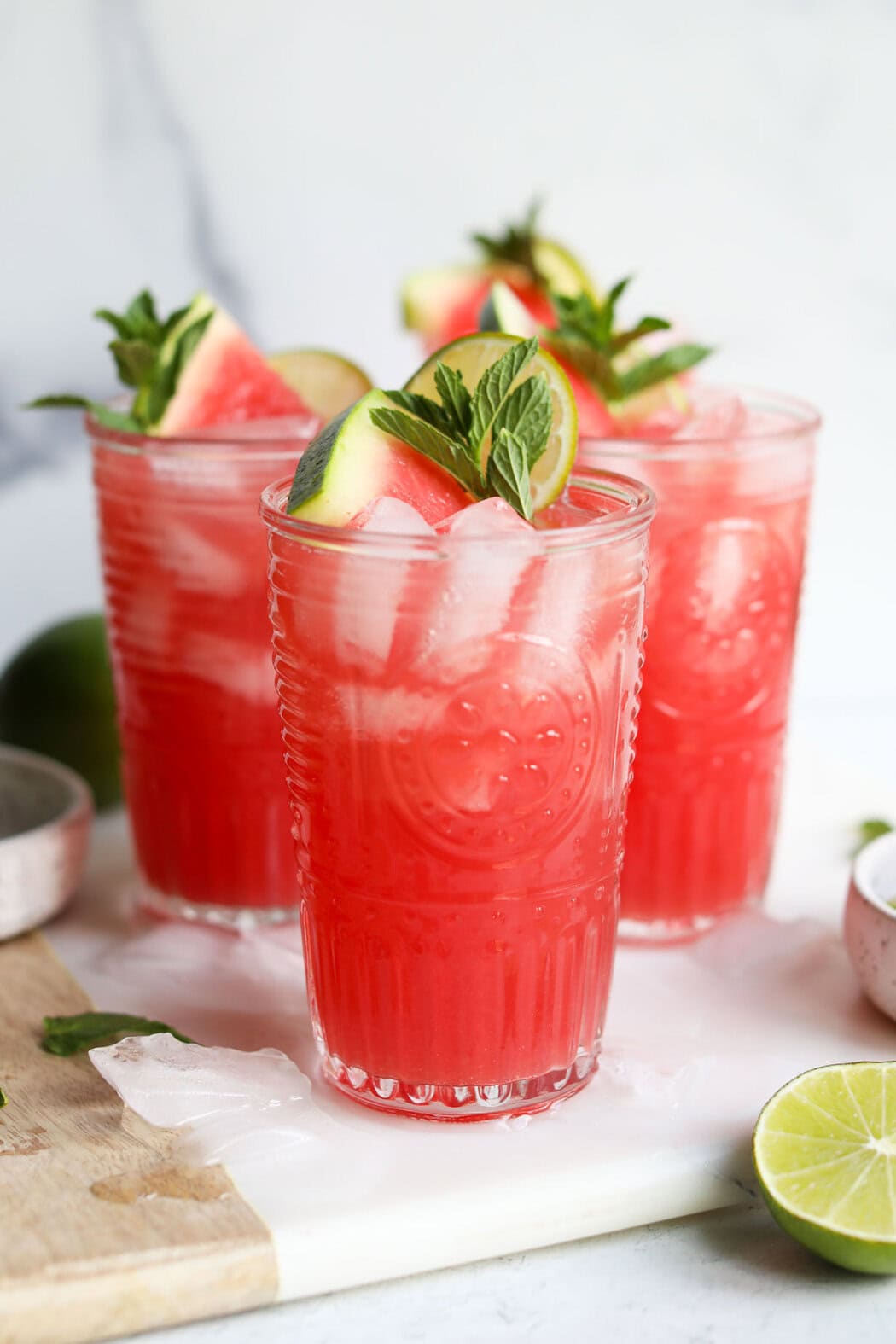
  • Watermelon Lime Mocktail (With Hydrating Electrolytes)

    Watermelon Lime Mocktail (With Hydrating Electrolytes)

    Watermelon Lime Mocktail (With Hydrating Electrolytes) – The Real Food Dietitians


    Privacy & Cookies Policy

  • What Is The Relationship Between The Gut & The Skin?

    What Is The Relationship Between The Gut & The Skin?

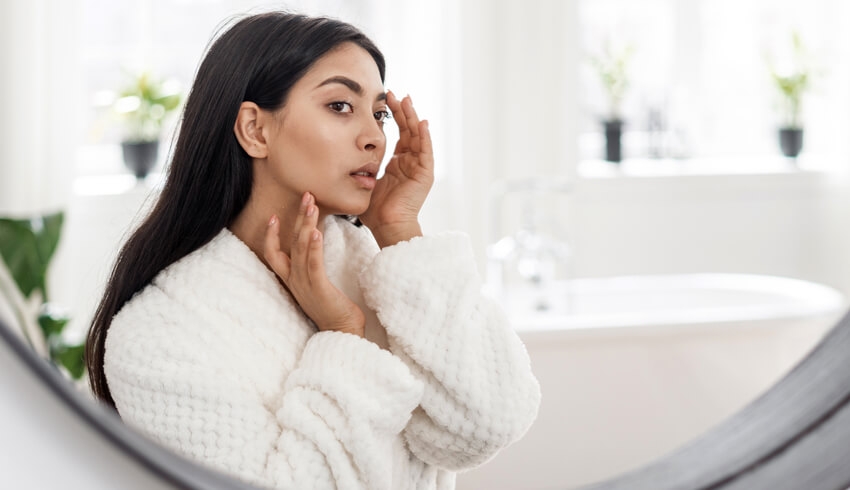
    Are you diligently following a skin care routine and seeing some improvements, but still battling persistent skin issues like acne, eczema or rosacea? Emerging research suggests a strong connection between our gut health and the condition of our skin, also known as the gut-skin axis. While your skin care routine is making a difference, you can achieve even clearer, healthier skin by synergizing your efforts with a focus on both skin and gut health.

    What Is Gut-Skin?

    The term “gut-skin” refers to the connection between the digestive system and the skin, highlighting how the health of the gut can influence the skin. This relationship is based on the gut-skin axis, a communication network that links the gut microbiome to skin conditions. The gut even plays a role in your nervous system, with your stomach containing more than 100 million nerve cells that communicate with the brain. With this in mind, it’s clear that your is important in your overall health. Science is uncovering the role that maintaining a healthy gut can play in revealing clearer, more radiant-looking skin.

    Historical Perspective

    Nearly a century ago, dermatologists John H. Stokes and Donald M. Pillsbury proposed a groundbreaking theory linking the gut, brain and skin, now known as the gut-brain-skin axis. They suggested that emotional states like stress, worry and fear could disrupt gut health, leading to skin issues. Certified Holistic Nutritionist Maria Marlowe explains, “Research has increasingly supported their ideas, showing how stress and emotional disturbances can impact gut health and, in turn, skin health.”

    How Gut Health Affects Skin

    While science has validated certain aspects of their hypothesis, much remains unknown about the intricate workings of the gut-brain-skin connection. We understand that stress-induced changes in the gut microbiome can reduce beneficial bacteria like Lactobacillus and Bifidobacterium, while allowing harmful bacteria to thrive. This imbalance triggers inflammation and impairs immune function, which are key factors in conditions like acne, psoriasis and rosacea​​. Marlowe highlights that “stressful thoughts can negatively alter the gut microbiome’s composition,” ultimately affecting skin health by promoting the growth of opportunistic bacteria​. 

    “We now also know that certain foods and medications can also disrupt the gut (whether you are stressed or not) setting off that same set of events — negative changes in the gut microbiome, which leads to inflammation in the body and ultimately inflammation in the skin,” explains Marlowe.

    “Note that most common skin disorders (such as acne, psoriasis and rosacea) are considered inflammatory skin disorders. All of these conditions have been linked to some form of gut dysbiosis,” Marlowe explains. 

    There Is Much to Learn About the Gut

    The precise mechanisms by which gut bacteria influence skin conditions remain largely unexplored. Emerging research aims to uncover the molecular pathways involved in the gut-skin connection. Scientists are investigating how diet, stress and medications interact with gut bacteria and affect your skin health. 

    While certain foods and medications are known to disrupt the gut microbiome, leading to systemic inflammation that manifests in the skin, the full extent of these interactions is still under investigation.  

    What Strategies Can I Use to Clear My Skin?

    Here are some steps you can take to improve your gut health:

    Probiotics: As WebMD explains, “Probiotics are live yeasts and good bacteria that live in your body and are good for your digestive system.” Consume probiotics to restore and balance the gut microbiome. Probiotic-rich foods include yogurt, kefir, sauerkraut and kimchi. You can also take probiotic supplements, but it’s always a good idea to check with your doctor first before adding supplements to your diet.
    Prebiotics: According to WebMD, prebiotics are a source of food for your gut’s healthy bacteria. “They’re carbs your body can’t digest. So they go to your lower digestive tract, where they act like food to help the healthy bacteria grow.” These microbiota act as fuel for good bacteria, supporting their growth. Prebiotics can be found in high-fiber foods like onions, garlic, leeks, asparagus, oats and apples.
    Avoid Inflammatory Foods: Minimize consumption of processed foods, sugars and dairy. By cutting them out, you may find that they trigger gut or skin issues.
    Balanced Diet: Eat a balanced diet rich in fiber, lean proteins, healthy fats and fermented foods to promote microbial diversity.
    Hydration: Stay well-hydrated to support overall digestive health.
    Reduce Stress: Manage stress through activities like yoga, meditation and other forms of exercise.

    By taking these steps, you can improve your gut health, which may reflect positively on your skin.

    What About Topical Probiotics?

    Topical probiotic skin care products are growing in popularity. The skin’s microbiome — composed of bacteria, fungi, viruses and mites — plays a vital role in health. Probiotics are oftentimes what people are referring to when they talk about  “good bacteria.”  They help balance the microbiome on the skin, which can defend against environmental stressors and harm. International Educator Brian Goodwin explains, “The skin’s surface is home to a delicate balance of microorganisms, like bacteria and other microbes. This mix of living organisms is known as the microbiome,” which is essential for maintaining skin health. Topical probiotics can help keep the bacteria associated with conditions such as acne and eczema in check.

    Applying probiotics topically can help replenish and fortify this ecosystem, supporting your skin’s first line of defense.  In terms of product recommendations, our Kombucha Microbiome Collection is formulated with pre, pro* and postbiotics to maintain your skin’s natural microbiome. This collection is also formulated with kombucha, white tea, ginger and jasmine which comforts the skin, calms skin inflammation, and helps you achieve a luminous, healthy-looking glow. 

    The Final Takeaway

    The gut and skin are strongly connected, and many skin issues can be addressed by taking good care of the gut. Probiotics play a key role in maintaining a healthy gut, which in turn promotes glowing skin. Always consult with your doctor before starting any new probiotic regimen to ensure it’s right for you.

    Do you swear by incorporating probiotics into your diet? We would love to hear from you. Let us know your thoughts in the comments or join the conversation on social media.

    *Does not contain live probiotic cultures.

  • A Dive Deep into 5 Fish We Love

    A Dive Deep into 5 Fish We Love

    by Caitlin H,

    May 27, 2024

    deep-dive-into-5-fish-we-love

    Fish is a delicious and nutritious protein that often finds its way into healthy diets—and for good reason. It’s a filling main dish packed with a wide range of nutrients. It’s also extremely versatile, affording home cooks and chefs the ability to create unique and tasty dishes that millions of people enjoy daily.

    Diet-to-Go’s chefs are no different. We include fish of numerous varieties on our menus, and we love to get creative with unique flavors and savory tastes that keep our customers satisfied while they work towards their weight loss goals.

    Let’s dive deeper into the health benefits of five of the most popular kinds of fish and our delicious meals that feature them!


    Tilapia


    Tilapia is a popular farm-raised fish native to the Middle East and Africa. It typically has a mild, sweet flavor and flaky skin, although its taste can change dramatically based on where it is raised.


    Omega-3 Fatty Acids: For supporting heart health


    Vitamin B12: For healthy blood cells


    Niacin: For skin, digestive, and nervous system health


    Vitamin D and Phosphorus: For improving bone strength


    Selenium: For preventing cancer


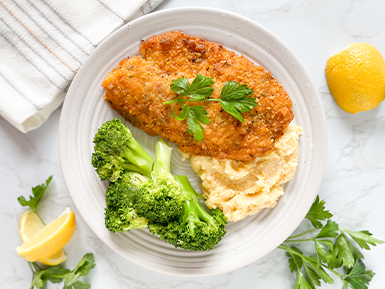
    Herb Crusted Tilapia with Polenta and Broccoli


    Herb Crusted Tilapia with Polenta and Broccoli
    440 calories; 29g protein


    Lemon Herb Tilapia with Swiss Chard, Artichoke Mix and Broccoli Florets
    Lemon Herb Tilapia with Swiss Chard, Artichoke Mix and Broccoli Florets
    440 calories; 40g protein

    Tilapia Veracruz with Cauliflower Mash and Green Bean Mix

    Tilapia Veracruz with Cauliflower Mash and Green Bean Mix
    450 calories; 45g protein


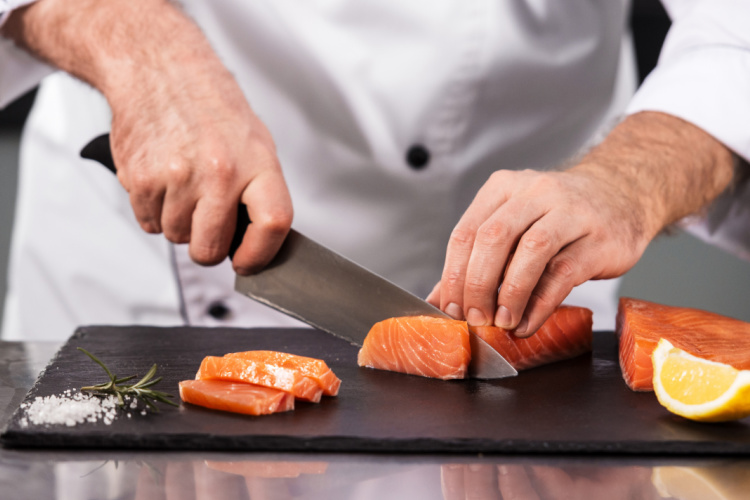
    Salmon


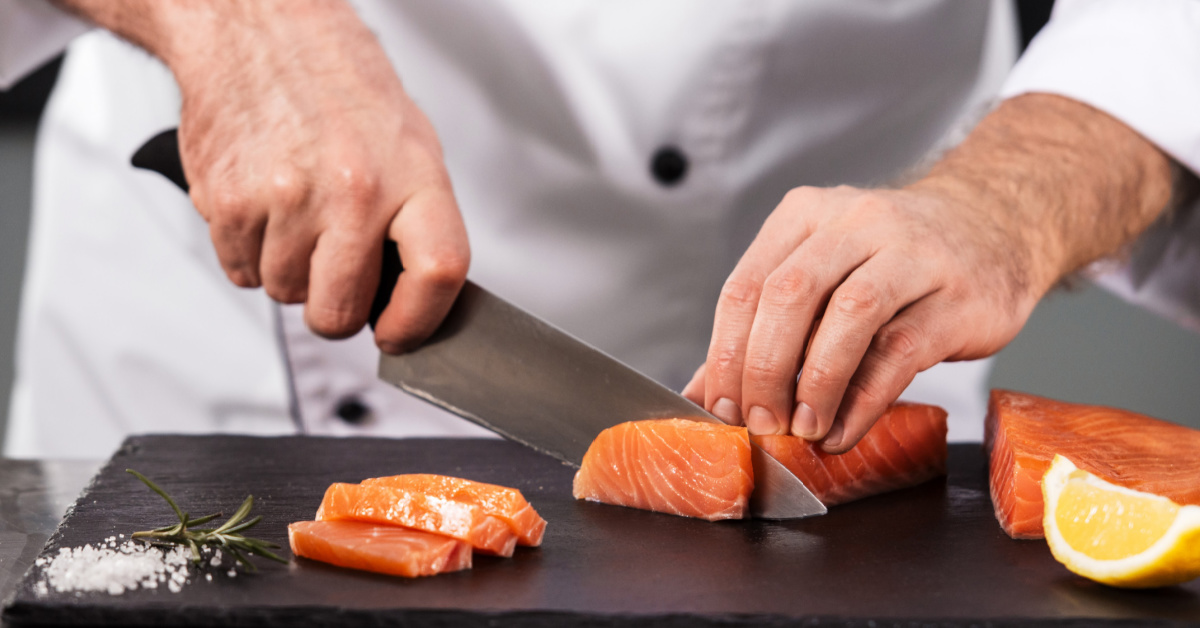
    Salmon is a Pacific and Atlantic fish with many varieties that thousands of farms grow. Its pink color and flaky texture have a nutty, full, buttery flavor that makes it a popular choice worldwide— especially in the U.S.

    Wild Pacific salmon are available at many supermarkets, as are farm-raised varieties. Wild Atlantic salmon is only available via farms as the U.S. has prohibited fishing due to overfishing and pollution.


    Omega-3 Fatty Acids: For supporting heart health


    Vitamin B12: For healthy blood cells


    Vitamin B6: For brain function


    Vitamin D and Phosphorus: For improving bone strength


    Selenium: For preventing cancer


    Potassium: For nerve, muscle, and heart function


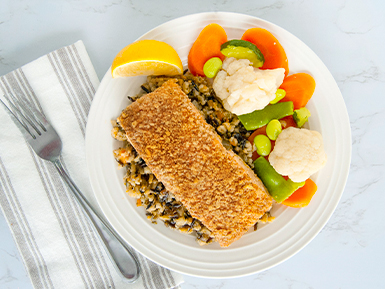
    Herbed Baked Salmon with Veggie Blend and a Three Grain Rice Pilaf
    Herbed Baked Salmon with Veggie Blend and a Three Grain Rice Pilaf
    360 calories; 28g protein

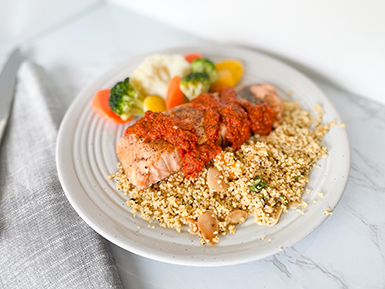
    Harissa Salmon with Mandarin Orange Almond Cous Cous and a Veggie Blend
    Harissa Salmon with Mandarin Orange Almond Cous Cous and a Veggie Blend
    350 calories; 26g protein

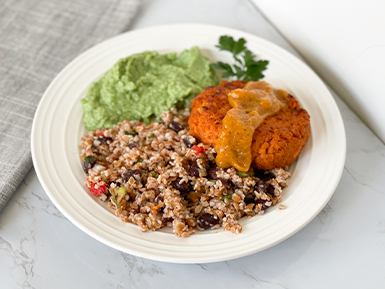
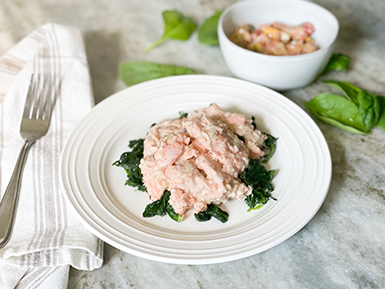
    Salmon Cake over Rice Pilaf with Spinach Cauliflower Puree
    Salmon Cake over Rice Pilaf with Spinach Cauliflower Puree
    380 calories; 23g protein

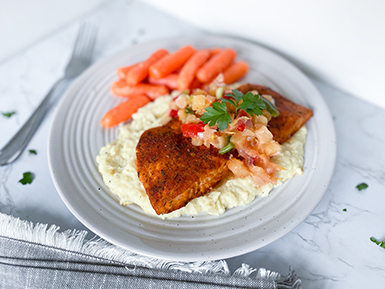
    Baked Salmon with Pineapple Salsa, Turnip & Parsnip Veggie Puree and Ginger Carrots Baked Salmon with Pineapple Salsa, Turnip & Parsnip Veggie Puree and Ginger Carrots
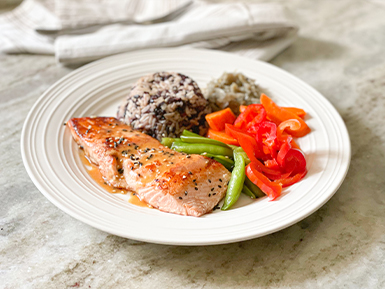
    400 calories; 32g protein

    Salmon Teriyaki Rice Bowl
    Salmon Teriyaki Rice Bowl
    560 calories; 32g protein

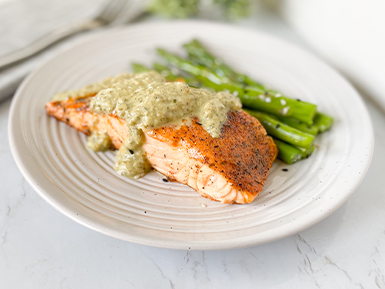
    Baked Cajun Salmon with Asparagus & Broccoli and a Cream Sauce
    Baked Cajun Salmon with Asparagus & Broccoli and a Cream Sauce
    310 calories; 33g protein

    Chimichurri Salmon with Marinated Asparagus
    Chimichurri Salmon with Marinated Asparagus
    540 calories; 34g protein

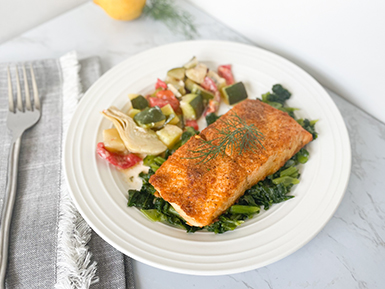
    Cumin Salmon with Mustard Greens and a Zucchini Veggie Medley
    Cumin Salmon with Mustard Greens and a Zucchini Veggie Medley
    390 calories; 37g protein

    Salmon and Spinach Salad with Marinated Vegetable Blend
    Salmon and Spinach Salad with Marinated Vegetable Blend
    500 calories; 34g protein


    Shrimp


    Ah, shrimp — a staple in most people’s diet with reports saying the average American downs about 5 pounds per year, making it the most valuable seafood commodity in the country. These days, most regular and jumbo-size shrimp come from farms, although sometimes coastal fishermen catch them and sell them in markets.

    You can find cold-water, pink shrimp, which are cooked and peeled, and warm-water shrimp that are pink, white, or brown, which can be cooked or raw.

    Shrimp tends to have a watery, slimy texture, giving cooks more of a blank canvas to turn it into a scrumptious dish with a wide variety of flavor possibilities. It also pairs well with rice and noodles dishes.


    Potassium: For nerve, muscle, and heart function


    Phosphorus and Calcium: For teeth and bone health


    Iron: For efficiency in carrying oxygen to muscles and throughout the body


    Copper and Zinc: For a strong immune system


    Magnesium: For energy boosts


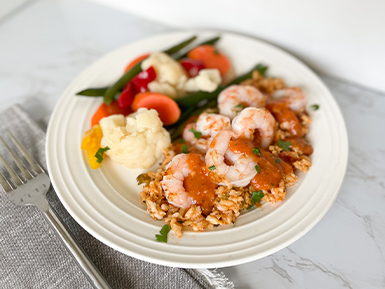
    Spanish Shrimp and Rice
    Spanish Shrimp and Rice
    370 calories; 27g protein

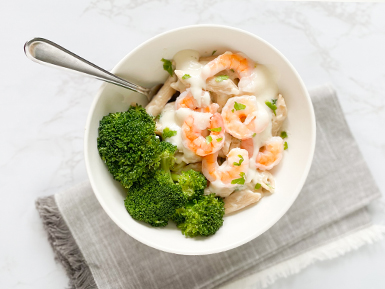
    Shrimp Alfredo and Broccoli
    Shrimp Alfredo and Broccoli
    510 calories; 37g protein


    Tuna


    Tuna is a saltwater fish populous in the Atlantic Ocean. It has a meaty, savory flavor that most people find extremely filling.

    Albacore “white meat tuna” is a favorite at many sushi places, and Skipjack “light meat tuna” is often a star protein at fancy restaurants.


    Omega-3 Fatty Acids: For supporting heart health


    Vitamin B12: For healthy blood cells


    Vitamin D and Phosphorus: For improving bone strength


    Selenium: For preventing cancer


    Potassium: For nerve, muscle, and heart function


    Iron: For efficiency in carrying oxygen to muscles and throughout the body


    Iodine: For a healthy metabolism


    Tuna Meltovers with a Peach Crisp with Walnuts
    Tuna Meltovers with a Peach Crisp with Walnuts
    330 calories; 26g protein

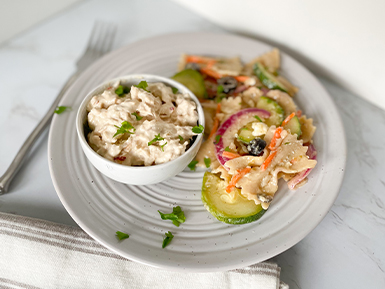
    Greek Pasta Salad with Tuna
    Greek Pasta Salad with Tuna
    520 calories; 19g protein

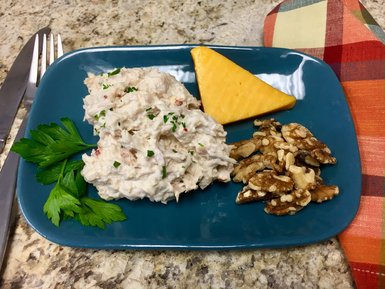
    Tuna Salad with Cheddar Cheese and Walnuts
    Tuna Salad with Cheddar Cheese and Walnuts
    610 calories; 32g protein


    Cod


    Cod is a lean, low-fat fish often found in shallow waters that people have enjoyed for centuries. Its flaky texture and white color are well-known. After years of overfishing, cod is now protected and available at markets and restaurants nationwide.


    Omega-3 Fatty Acids: For supporting heart health


    Vitamin B12: For healthy blood cells


    Niacin: For skin, digestive, and nervous system health


    Vitamin D and Phosphorus: For improving bone strength


    Selenium: For preventing cancer


    Choline: For regulating mood and improving memory


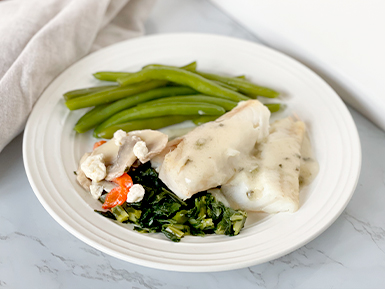
    Boston Cod in Lemon Herb Sauce with Greens, a Red Pepper & Mushroom Blend, and Green Beans
    Boston Cod in Lemon Herb Sauce with Greens, a Red Pepper & Mushroom Blend, and Green Beans
    420 calories; 41g protein

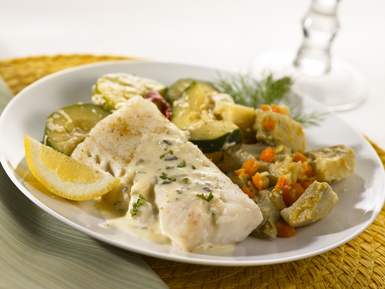
    Cod Loin with Lemon Herb Sauce and Artichoke Barigoule, plus Zucchini Squash Blend
    Cod Loin with Lemon Herb Sauce and Artichoke Barigoule, plus Zucchini Squash Blend
    360 calories; 34g protein

    Ultimately, fish is a tasty, nutritious, lean protein source with versatility that gives our chefs room to get creative — and the end result is something our customers love. You can view our sample menus with many more delicious dishes here.


    ————————————————————————————


    Author: Caitlin H
    Diet-to-Go Community Manager

    Caitlin is the Diet-to-Go community manager and an avid runner. She is passionate about engaging with others online and maintaining a healthy, active lifestyle. She believes moderation is key, and people will have the most weight loss success if they engage in common-sense healthy eating and fitness.


    Ingredients of Success

  • 16 High Fiber Dinner Recipes That Are Super Delicious

    16 High Fiber Dinner Recipes That Are Super Delicious

    16 High Fiber Dinner Recipes That Are Super Delicious – The Real Food Dietitians


    Privacy & Cookies Policy

Crypto Casino
Padişahbet
Padişahbet Güncel Giriş
Padişahbet Giriş
new online casino
Betnano Giriş
Padişahbet Giriş