Author: admin

  • Skincare from Fall to Winter

    Skincare from Fall to Winter

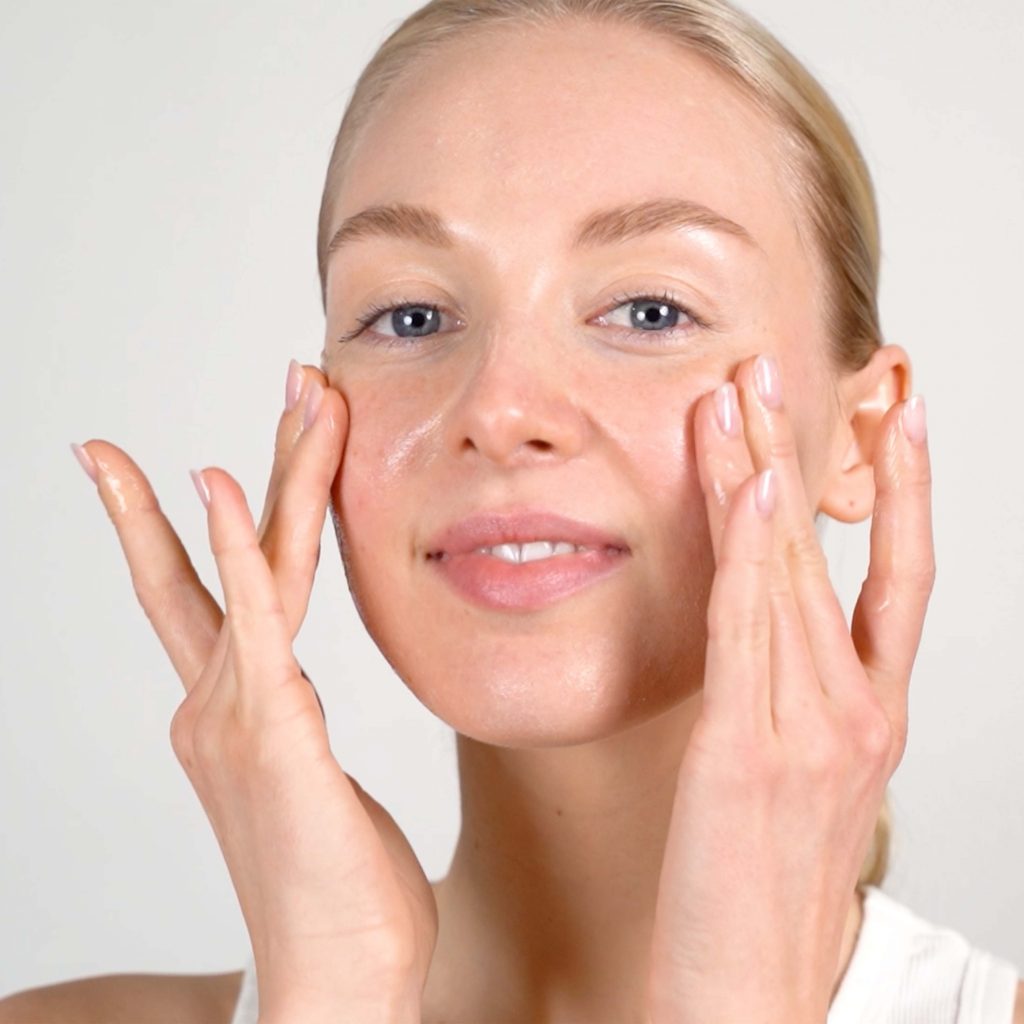
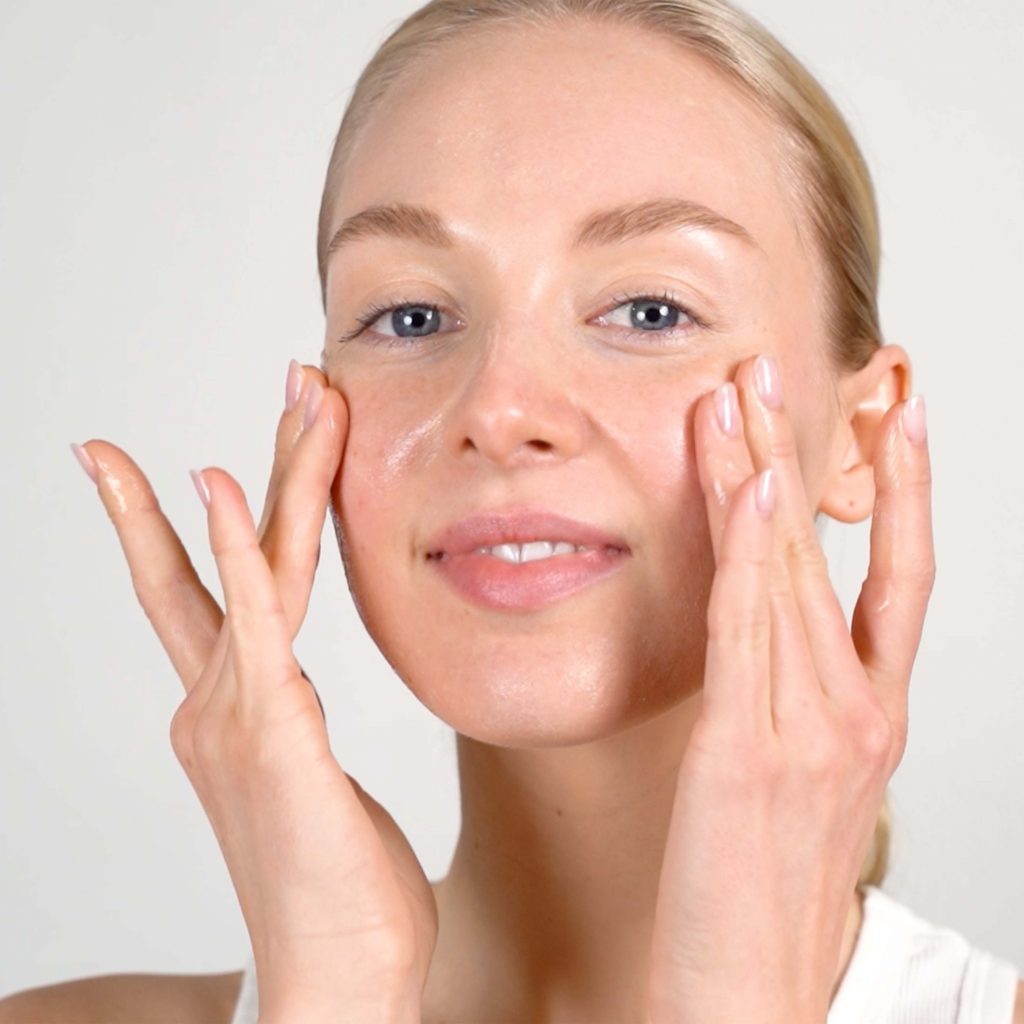
    Fall brings all the beautiful colors of nature but it also means lower temperatures and dry air that can disrupt skin’s balance and may lead to flaky skin, irritation, and a dull-looking complexion. You may ask yourself “Should I change my skincare routine in the winter?” and the answer to that is just like we need a soft and cozy sweater when it gets a bit chillier outside, skin deserves an extra bit of love and hydration to maintain a healthy skin barrier and improve moisture retention. Here’s what to know about your fall and winter skincare routine.

    How to Prepare Skin for Winter Weather & Skincare Routine for Winter

    Double Cleanse

    Many tend to have dry skin in the winter so using a hydrating cleansing oil, followed by a mild cleanser may help relieve the dryness. A cleansing oil can help to replenish and nourish the skin with moisturizing oils. Try pairing Mario Badescu’s Cleansing Oil and Gentle Foaming Cleanser before applying your moisturizer for the winter days. The combination will help to deeply cleanse skin without stripping or excessively drying.

    Gently Refine the Complexion

    With the temperature drop at the beginning of the new season, you may notice dead skin cells build-up or visibly flaky skin. If you want to reveal a new, fresh and brighter complexion, try Mario Badescu’s Botanical Exfoliating Scrub. With the mildly exfoliating properties of Ecuadorian Ivory Palm Seeds, restorative Green Tea Extract and conditioning Coconut Extract this gentle gel-like exfoliating scrub helps to exfoliate for visibly smoother and luminous skin.

    Add a Hydrating Serum for Winter

    As seasons change and skin needs an extra boost of hydration, you might want to try giving your moisturizer a helping hand by pairing it with a hydrating serum for winter. Hydrating serums are packed with actives and have lower molecular weight to reach deeper into the skin. The lightweight texture of Mario Badescu’s Hyaluronic Dew Drops ensures fast absorption and helps retain moisture to leave the skin dewy, soft and supple. Hyaluronic Acid is a great humectant and this gel-serum hybrid is formulated with Sodium Hyaluronate to provide multilevel hydration, while the added Niacinamide and Lactic Acid can help to gently refine skin and visibly improve skin texture. Hyaluronic Dew Drops is a serum suitable for all skin types, as it’s oil-free and feels weightless on the skin. 

    For an added glow and boost of hydration in the winter, try misting your cleansed skin with one of our Facial Sprays and apply Hyaluronic Dew Drops right after spraying. This will allow the Hyaluronic Acid in the serum to draw additional moisture into the skin.

    Use a Moisturizer for Winter

    To lock in the moisture and support the skin barrier, use a good moisturizer for winter to help alleviate dry skin. An effective moisturizer is just like a sweater for your skin. Your facial cream can help increase the level of hydration while protecting the skin from losing existing moisture. The formula of Mario Badescu’s Hyaluronic Dew Cream is perfect all year round (but especially if you’re trying to get glowing skin in the winter). This silky moisturizer pairs Sodium Hyaluronate with Glycerin and Squalane, making it the perfect hydrating trio for everyone out there. The formula helps to moisturize skin and assist in relieving existing dryness. The added Green Tea Extract and Aloe Vera aid the skin barrier by calming the skin and soothing redness. If you need a richer moisturizer for winter, Mario Badescu’s Hyaluronic Day Cream might be just what you are looking for. Its key ingredients Hyaluronic Acid and Peanut Oil plump and replenish the skin to deliver lasting hydration without feeling heavy.

    Sunscreen in Fall and Winter

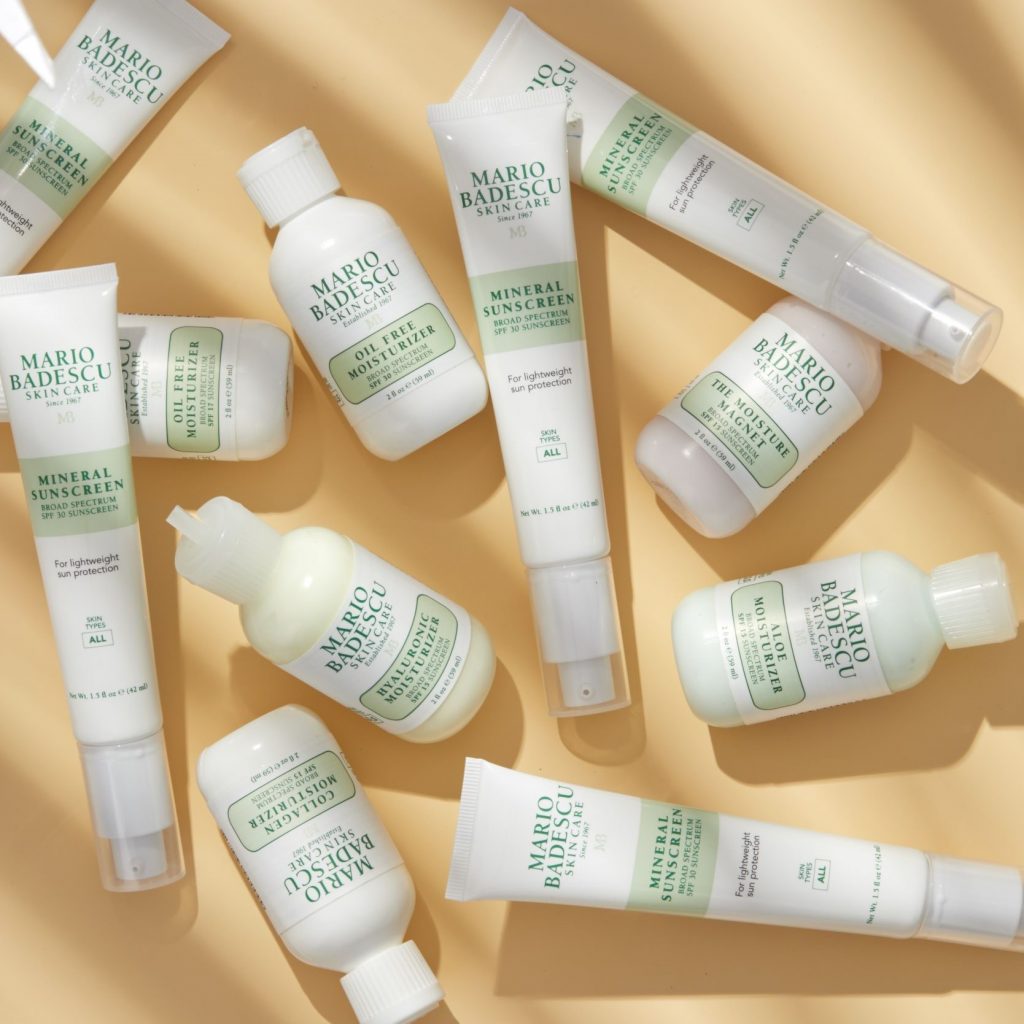
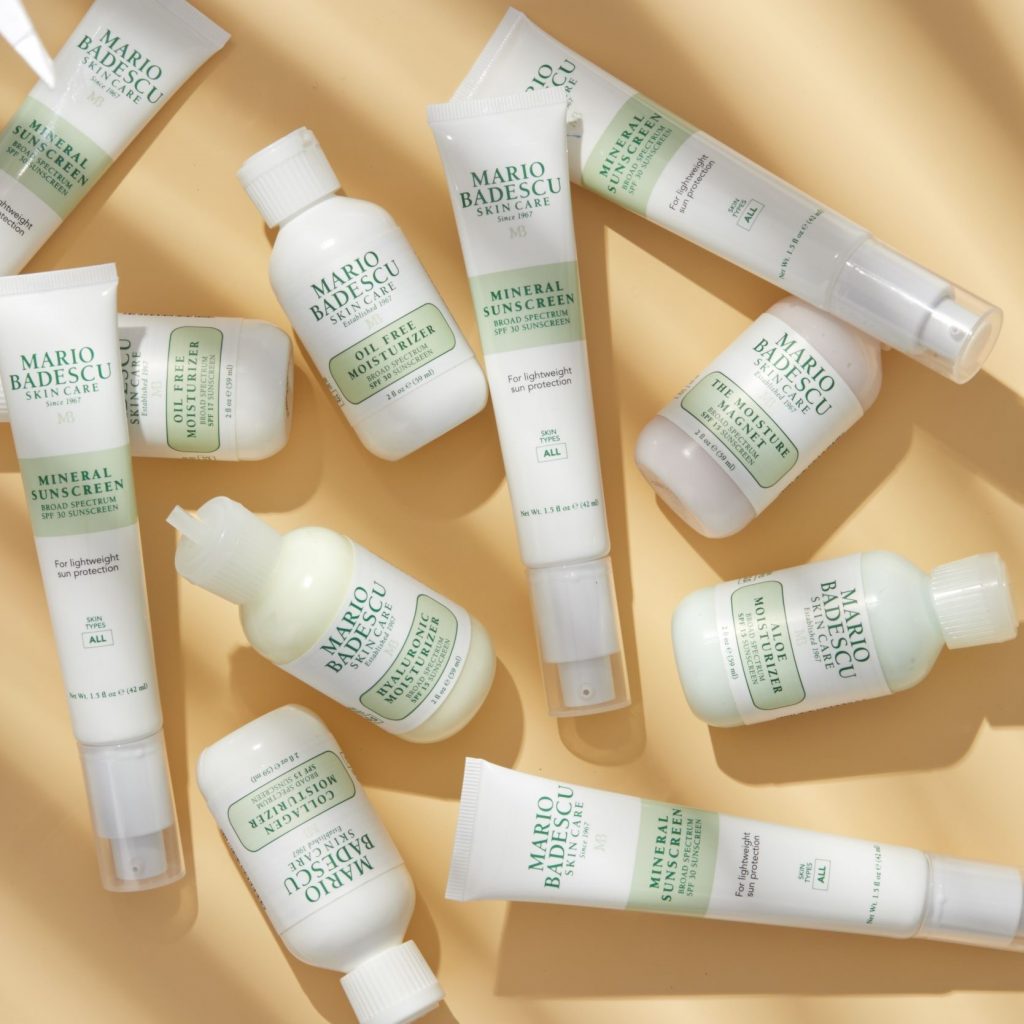
    This is an essential part of your skincare routine and a product that should be included every season and every single day. The sun’s UV rays in the fall and winter are just as damaging as they are in the warmer months, plus, they can also penetrate through your windows. A lot of people are concerned about the texture and formulations of sunscreen especially if their skin is more sensitive, oily or prone to breakouts. Mineral sunscreens offer the best of both worlds, they are gentle on every skin type and they offer broad-spectrum protection against harmful UV exposure. Mineral sunscreen filters create a physical barrier to block the UV rays before they penetrate the skin. Mario Badescu’s Mineral Sunscreen SPF 30 provides broad-spectrum protection with a lightweight and oil-free texture, suitable for every skin type. The formula is packed with a complex of Blueberry, Cranberry and Wolfberry Fruit Extracts, rich in antioxidants that help protect the skin from environmental aggressors and support the skin’s overall health. Make sure to apply generously as the last step of your skincare routine and reapply every two hours for maximum protection, our Mineral Sunscreen with SPF 30 is fragrance-free and reef-friendly.

    Evening Skincare Routine for Winter

    A dry and lackluster complexion is often the main issue everyone tries to challenge in the colder months. Enhance your winter skincare by adding a powerhouse duo. Mario Badescu’s Vitamin C Serum and Ginseng Moist Cream will help you achieve a brighter and healthier look on the skin.

    Categories: Skin Care |
    Permalink
  • 4 Signs Your Skin Is Dehydrated & How To Fix It

    4 Signs Your Skin Is Dehydrated & How To Fix It

    Does your skin feel more flaky and sensitive than usual? Has your natural radiance been zapped from your complexion? If this sounds like the state of your skin, it may be dehydrated. Here are the key signs of dehydrated skin and our recommendations for how to fix it.

    What Is The Difference Between Dry & Dehydrated Skin? | 4 Signs Of Dehydrated Skin | How To Fix Dehydrated Skin | A Mini Three-Step Routine For Dry Skin

    What Is The Difference Between Dry & Dehydrated Skin?

    Dry and dehydrated skin share many of the same signs and symptoms, but they are actually quite distinct. Here is a quick breakdown of how these two skin care problems differ:

    Dry Skin

    Dry skin is classified as a skin type and is inherited through your genetics. Skin Inc defines a dry skin type as one that is predisposed to inadequate production of the skin’s natural oils. In addition, dry skin can be connected to hormonal imbalances or an underactive thyroid. This can inhibit your skin’s sebum production, contributing to a complexion that is dry and lackluster in appearance. While your dry skin type can’t be changed due to genetics, you can improve its appearance by adding oil-infused products to your skin care routine. 

    Dehydrated Skin

    Dehydrated skin, on the other hand, is a skin condition. It is caused by external elements (weather and seasonal changes), unhealthy diet (lack of fresh produce) and lifestyle choices (alcohol or caffeine consumption). All of these factors deplete your skin’s water content, resulting in a less supple appearance. A key takeaway is that dehydration is characterized by a lack of water — not oil. Even oily skin types can become dehydrated. Luckily, dehydrated skin is temporary and can be relieved with a combination of topical treatments and lifestyle changes.

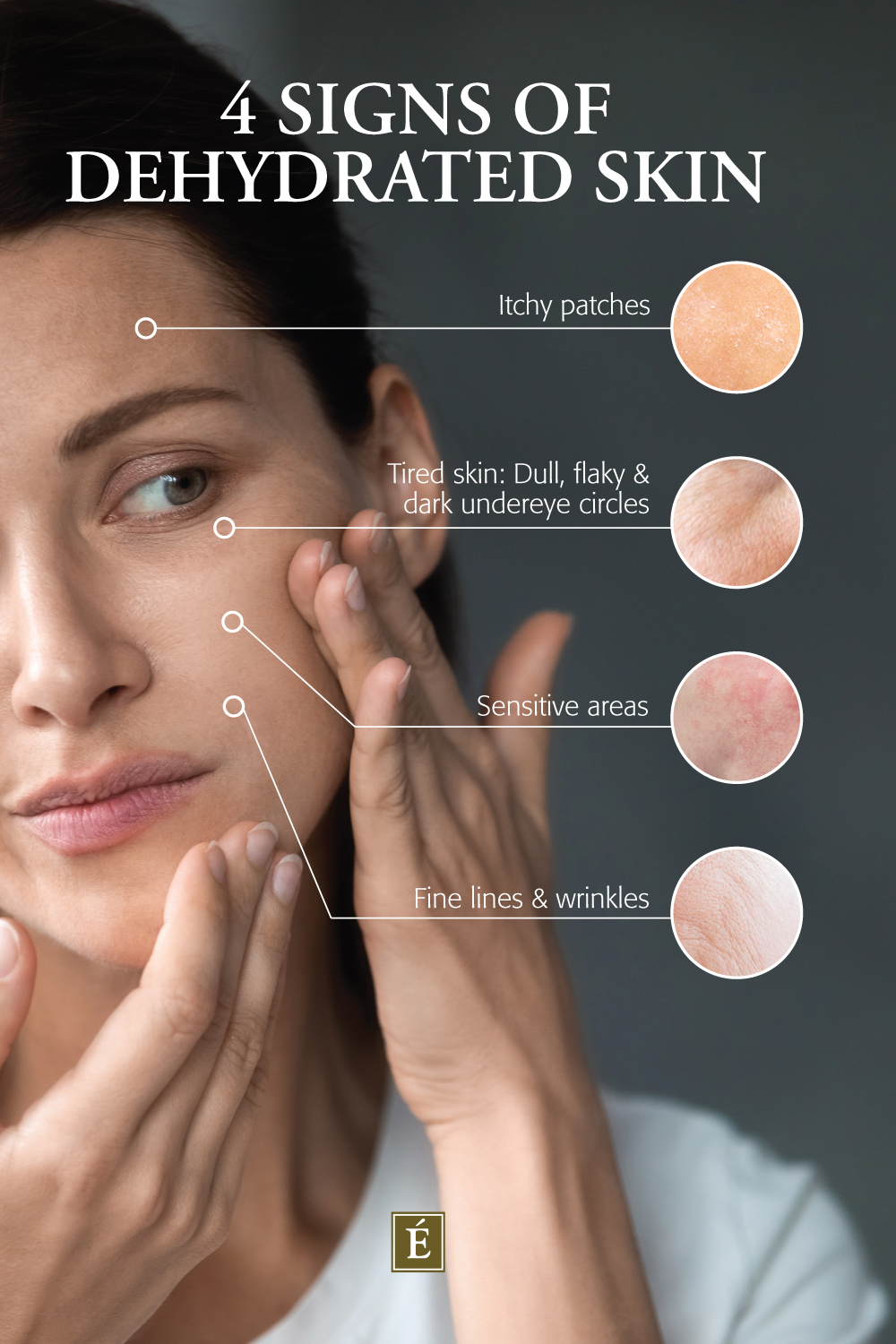
    Infographic: 4 Signs of Dehydrated Skin

    4 Signs Of Dehydrated Skin

    Not sure if you’re struggling with dryness or dehydration? Here are four telltale signs that you have dehydrated skin:

    1. Itchy Skin

    Have you ever returned from a ski vacation or a day at the beach and felt an unrelenting need to scratch? External elements like wind and extreme temperature changes can zap moisture from the outer layer of your skin, causing a tight, itchy sensation. This is often accompanied by flaking, regardless of the amount of oil on your skin’s surface.

    2. Increased Sensitivity

    One of the biggest consequences of dehydrated skin is an increase in sensitivity. When your skin’s moisture barrier is disrupted, it cannot properly protect itself from external environmental stressors. As a result, irritants like bacteria and pollution can penetrate its outermost layer, worsening symptoms like redness, itchiness and irritation.

    3. Dull Skin

    Does your skin have an overall dull and tired appearance? Dehydration affects your skin’s ability to perform essential functions like cell turnover. Without adequate hydration, your skin does not shed its most outer layer frequently enough, and dead cells accumulate on its surface. This contributes to clogged pores, congestion and a lackluster complexion.

    4. Fine Lines & Wrinkles

    “Gently pinch the skin on the cheek. If it looks like you have fine lines, you are dehydrated,” advises skin care expert Joanna Vargas. Dehydrated skin often displays accelerated signs of aging; however, unlike smile lines or crow’s feet, these wrinkles appear as a network of tiny, triangular fine lines.

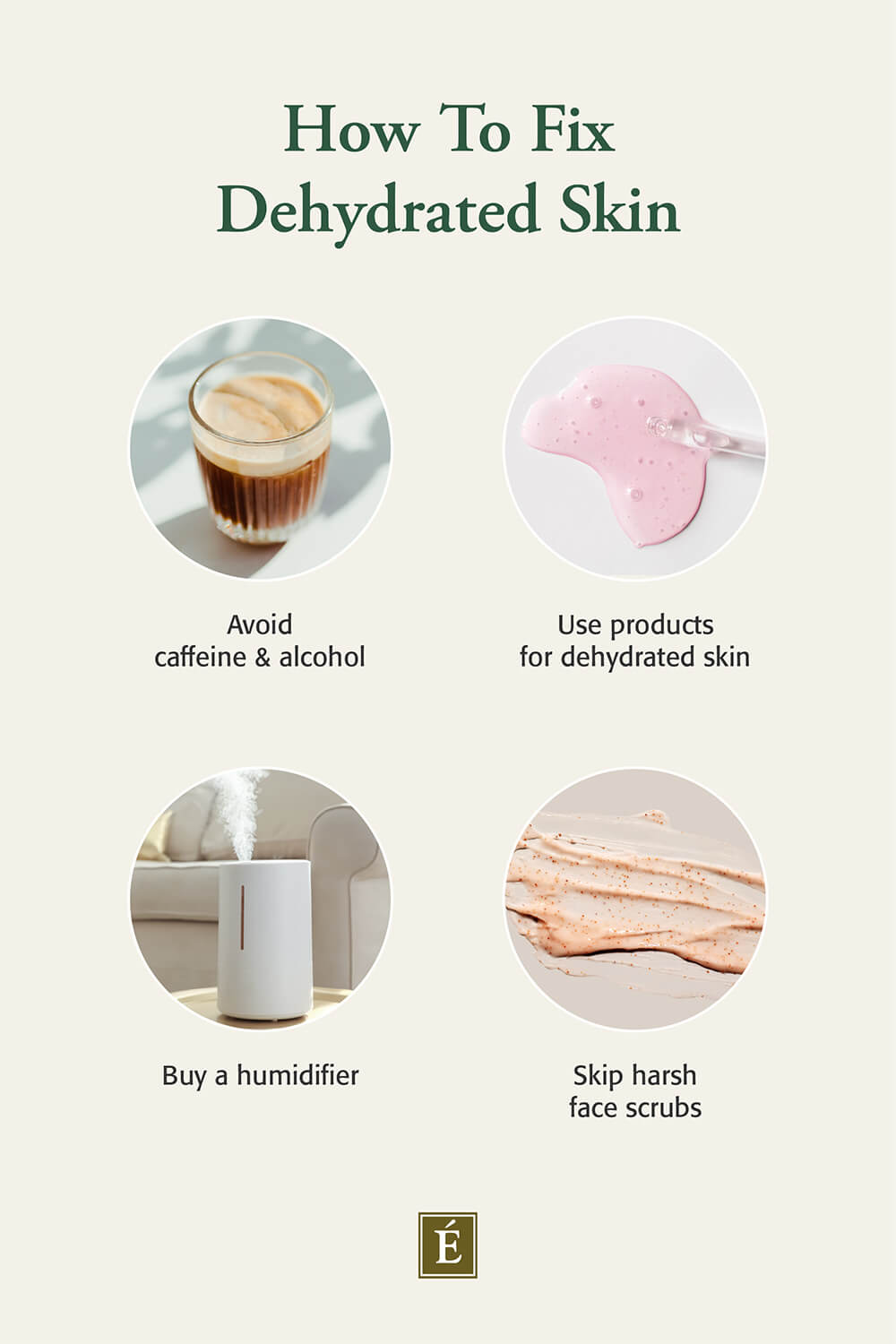
    how to fix dehydrated skin

    How To Fix Dehydrated Skin

    Before we outline a skin care routine, let’s first explore some other lifestyle tips that might help you. 

    1. Avoid Caffeine And Alcohol

    Caffeine and alcohol are two of the worst offenders for dehydrated skin. Both substances are diuretics that compromise your skin’s health by depleting its water content. And, alcohol doubles down by hindering the production of the hormone vasopressin which is essential for rehydration. If you can’t imagine getting through the day without your morning latte, fear not: The general consensus is that one to two cups of coffee per day and a glass of alcohol in the evening is a-okay.

    2. Best Products For Dehydrated Skin

    To fix dehydrated skin, you need to address your skin care routine and your overall health. This means hydrating from the inside out as well as treating dehydration topically.

    3. Buy A Humidifier 

    You might need to add moisture to the air and turn off the air conditioner. Humidifiers are usually very quiet and work in the background evaporating water using a heating element. They form steam that gets vented into the air, creating humidity and moisture to help those with dehydrated skin. 

    4. Skip Harsh Face Scrubs

    Exfoliation is a no-fail way to brighten a dull, dehydrated complexion, but for dehydrated skin, we recommend avoiding gritty scrubs that could irritate the skin. Healthy skin takes 25 days to renew itself naturally, and dehydrated skin takes even longer. Proper exfoliation accelerates skin cell turnover by sloughing dead cells from the surface to reveal the new, healthy cells underneath. We’ve recommended a more gentle exfoliating option below in the skin care routine.  

    A Dehydrated Skin Care Routine

    To fix dehydrated skin, you need to address your skin care routine and your overall health. This means hydrating from the inside out as well as treating dehydration topically.

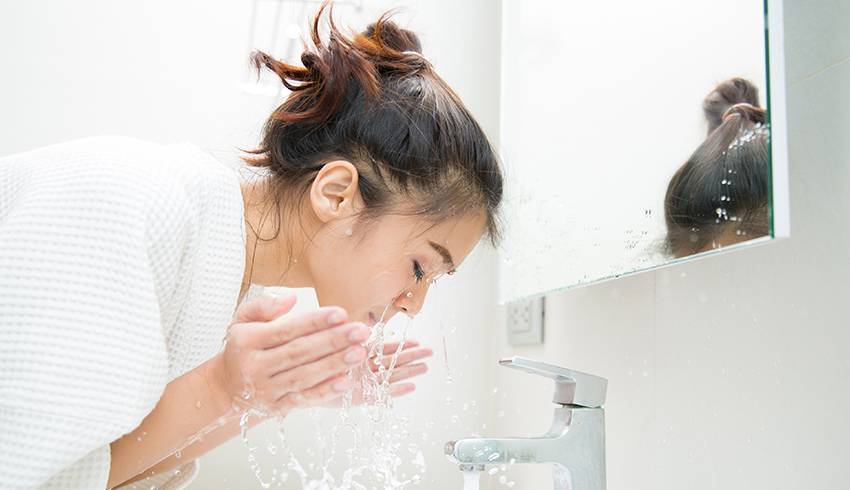
    1. Wash With A Gentle Cleanser & Lukewarm Water

    The best way to cleanse dehydrated skin is with a gentle cleanser and lukewarm water. Choose cleansers that are free of harsh chemical additives and artificial fragrances that can strip the skin of beneficial moisture and aggravate sensitivities. At Eminence Organics, we choose only the best organic ingredients and keep our skin care free of harmful chemicals like added parabens, petrolatum, mineral oils, propylene glycol and sodium lauryl sulfate. To cleanse dehydrated skin, we recommend using a product like the Stone Crop Cleansing Oil which gently melts away impurities, hydrates the skin and leaves no residue.

    2. Apply An Essence

    One skin care you don’t want to skip — especially if you have dehydrated skin — is an essence. This K-beauty staple maximizes hydration, replenishes moisture and protects skin against the drying effects of environmental stressors. Facial essences are packed with deeply hydrating and antioxidant-rich ingredients that work wonders for dehydrated skin. Take our Birch Water Purifying Essence as an example. This lightweight essence contains snow mushroom and reishi mushroom to hydrate and moisturize the skin and neutralize the drying and aging effects of free radicals. 

    3. Use A Hyaluronic Acid Serum

    Hyaluronic acid is extremely effective in replenishing dehydrated skin. As a humectant, this miracle ingredient helps bind and retain moisture, keeping skin soft and pillowy. According to ELLE, hyaluronic acid has the ability to hold up to six liters of water and “works as a magnet for moisture, helping your cells retain as much of it as possible so that your skin feels and appears hydrated, plump and healthy.” At Eminence Organics, we infuse botanical hyaluronic acid into deeply hydrating serums like our Strawberry Rhubarb Hyaluronic Serum and Firm Skin Acai Booster-Serum.

    4. Use A Gentle Exfoliant 

    As mentioned earlier, avoid harsh scrubs that contain beads or sugar. Instead, opt for a gentle exfoliant like our Strawberry Rhubarb Dermafoliant which uses rice and chickpea flour to gently buff away flakes and dead skin. Strawberry is a natural cleanser and astringent that contains salicylic acid. Salicylic acid exfoliates and removes impurities to brighten skin’s appearance and shrink the look of pores. 

    5. Protect Your Skin’s Outer Layer

    The jury’s out on whether drinking eight glasses of water a day will drastically improve your skin’s hydration. Dermatologist Joel Schlessinger tells Reader’s Digest: “Sipping on water throughout the day is great for your body, but this hydration doesn’t actually reach your skin unless you’re extremely dehydrated.” The key is preventing water from leaving your skin by keeping its moisture barrier intact and healthy. One of the best ways to achieve this is with a topical treatment like our Marine Flower Peptide Night Cream. This rich formula contains botanical peptides (from rice protein), meaning it’s plant-based and naturally derived. Jojoba oil locks in moisture and prevents transepidermal water loss, so you can expect to see a change in your skin with a hydrated, firmer-looking appearance. 

    A Mini Three-Step Routine For Dry, Winter Skin

    Perhaps you don’t have dehydrated skin, but you’re dealing with dry skin symptoms instead such as cracked, flaky or itchy skin. These next three products in our three-step routine will save your skin and keep your skin smooth and supple all winter long.

    Step 1: Prep The Skin With An Essence

    Apply the Birch Water Purifying Essence to prep your skin for your skin care routine. Apply a small amount of essence either onto a cotton pad or into your hands. Pat the product on your skin and leave it on. Birch water leaves your skin looking toned and tightened, while snow mushroom hydrates and improves the look of elasticity. Your skin will feel replenished and tighter thanks to botanical collagen which is the ultimate moisturizing ingredient. 

    Step 2: Use A Hydrator

    For your second step, apply a layer of the Strawberry Rhubarb Hyaluronic Hydrator over your face, neck and décolleté area and leave it on. This vegan gel hydrator consists of a Botanical Hyaluronic Acid Complex designed to deeply hydrate and keep moisture in the skin. 

    Step 3: Apply An Oil

    For your final and third step, apply two to three drops of the Rosehip Triple C+E Firming Oil and massage in with circular motions. Leave this on. This formula is designed to leave your skin firmer-looking and more hydrated as a result of rosemary leaf extract, jojoba, rosehip and seabuckthorn oils.

    Is your skin dry or dehydrated? We’d love to hear your lifestyle or skin care tips and tricks to keep your skin looking its best. Tell us in the comments below and join the conversation on social media.

    This post was originally published in March 2016.

  • Renée Predicts the 6 Biggest Skincare Trends of 2023

    Renée Predicts the 6 Biggest Skincare Trends of 2023

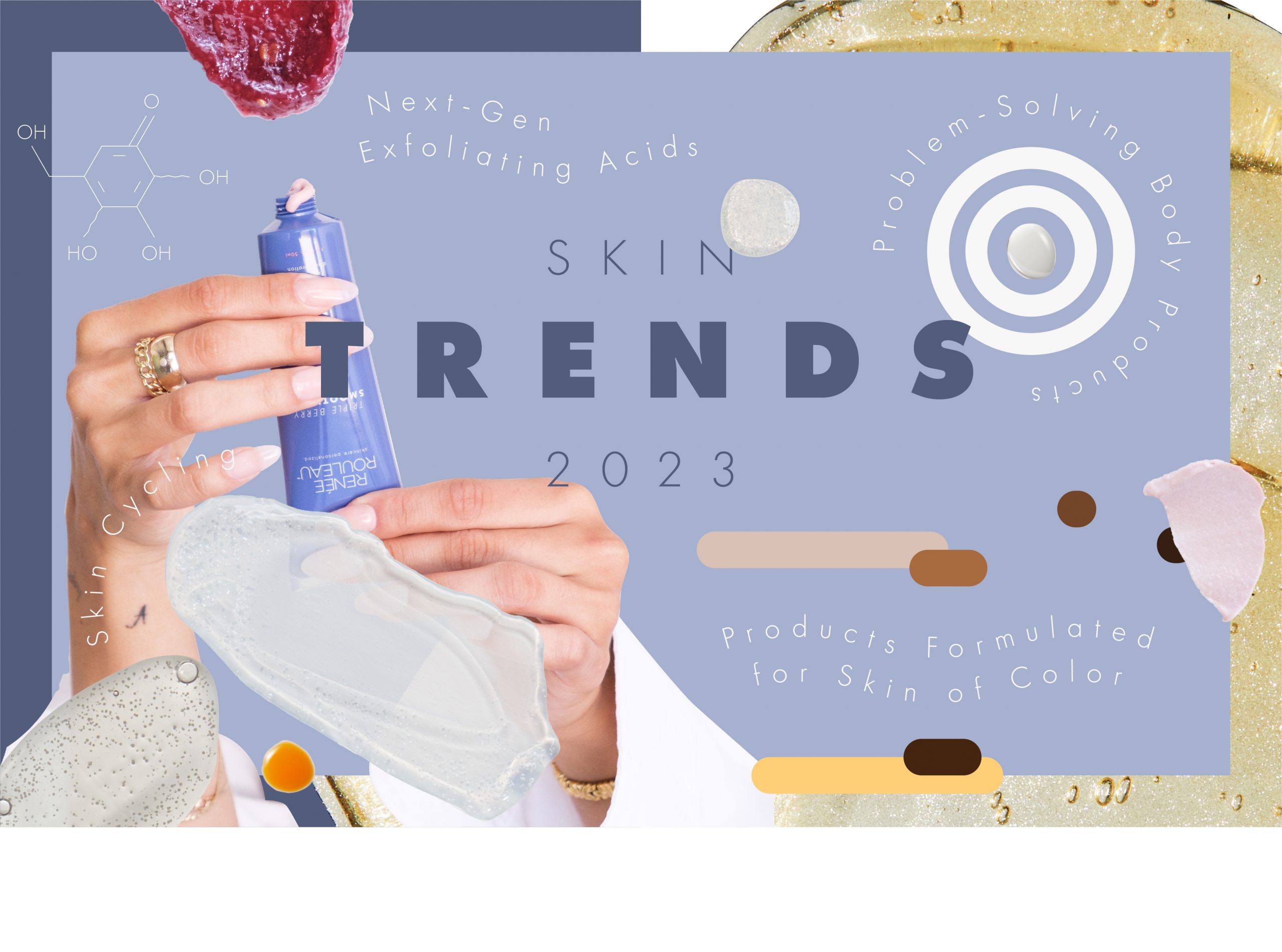
    With TikTok being the main driver for many skincare trends recently, it seems they come and go in the blink of an eye. It also means information needs to be delivered in a more condensed (and visual) format than ever before, which isn’t always a breeding ground for the soundest advice. While the social media landscape can’t be discounted when it comes to trend prediction, I like to turn to my other sources as well. This includes the time I spend visiting and collaborating with some of the best skincare labs in the country. Of course, it also includes all of the wonderful industry colleagues I’m lucky to call my friends. Based on what I’ve seen this year, here are six trends I expect to take hold in 2023. There are some exciting new developments, but I think you’ll also find many of the trends going back to the basics—a balanced routine for healthy, nourished skin.

    1. Skin Cycling

    Skin cycling has been all over social media for a few months now, and it seems to be resonating with audiences far and wide. Putting together a comprehensive skincare routine is still confusing for a lot of people (I certainly get questions to this effect all the time), so I can understand why this trend has taken off.

    The term “skin cycling” was coined by dermatologist Dr. Whitney Bowe and has amassed over 15 million hashtag views on TikTok. Boiled down, it’s essentially a guide to rotating serums in your nighttime routine. In her version, Dr. Bowe says night one is for exfoliation, night two is for a retinoid, and then nights three and four are all about hydrating and nourishing to strengthen the skin’s moisture barrier. She also notes that this is the “beginner” version. From here, there can be a number of variations depending on what your skin needs and can tolerate.

    Unlike many social media trends, I’m all for skin cycling! It’s a concept I’ve been preaching for a long time. Although I’ve never called it skin cycling, I’ve always advised both clients and customers to rotate their serums rather than trying to layer a bunch of them on at once. 

    For someone using a retinoid in their routine, this is the “skin cycling” schedule I recommend people work up to:

    Nights 1&2  —  RetinolNight 3        —  ExfoliationNights 4&5  — RetinolNight 6         — ExfoliationNight 7         — Hydration/Recovery 

    You can learn more about how to work up to this routine in my Beginner’s Guide to Retinol and Retinoids

    2. Problem-Solving Body Care Products

    Skin care isn’t just about the face anymore. For years, skin experts (including myself) have been preaching the importance of including the neck and chest in your skincare routine. More recently, that’s been expanding to include the entire body. 

    There’s no shortage of nourishing, moisturizing body products, and this is definitely the first step to healthy skin. Going forward though, I think we’ll see more body products with active ingredients to combat targeted concerns. This especially includes humectants, like glycerin or hyaluronic acid, antioxidants, and exfoliating acids to tackle ingrowns, discoloration, acne, and bumpy skin. For better delivery, some are opting to create body serums rather than traditional lotions or creams. 

    I also want to give an honorable mention to deodorant—a category that’s exploding right now. Average monthly search volume for “deodorant” and “antiperspirant” have been steadily increasing all year, and I think it’s a category of body care many brands will be expanding into. We’ll see more deodorants that include soothing ingredients traditionally seen in skin care, such as niacinamide and aloe. 

    Additionally, there’s been a rise in deodorants that contain alpha-hydroxy acids. This is reflected in the growing social media trend of using glycolic acid toner as a deodorant. While I don’t think this is the best idea due to the risk of irritation, it’s true that exfoliating acids can help reduce odor. If this is something you’re interested in trying, you can look for deodorants with exfoliating acids safely built into the formula. 

    3. A Focus on Barrier-Repairing Ingredients

    Last year was the year of barrier education, and now brands are following suit by including more barrier-friendly ingredients in their formulas. Ceramides are at the top of the trend list (we’ll also start seeing them in more body care formulas). 

    I do want to note that, while barrier repair is a hugely important skincare concept that deserves all the recognition it’s getting, our barriers aren’t as damaged as we’re being led to believe. It’s true that we have more access to powerful ingredients than ever before, so there’s a real risk of people overdoing it. But, with all the recent awareness about barrier health, I’m finding this isn’t as rampant as it was even a few years ago. Then, factor in that products are now formulated to be much gentler than they used to be. The majority of skincare products contain some type of barrier-repairing ingredient. We’ve come a long way from the days of Sea Breeze and apricot scrubs, and our barriers are better for it!

    4. Next-Gen Exfoliating Acids

    Exfoliating acids are nothing new, and they’ve been contributing to smoother, glassier complexions for decades. Glycolic and lactic acid (both AHAs) and salicylic acid (a BHA) have been in the spotlight for years thanks to the wide range of concerns they’re able to tackle. 

    It’s human nature to want to make what’s good even better, and acids are no exception. We’re starting to see a new generation of acids being ushered in, which is exciting because they’ll be even more specialized and capable of targeting specific concerns. 

    Here are some of the acids I’m personally very excited about (and have even started using in my formulations):

    PHAs — PHA, which stands for polyhydroxy acid, is a new class of acids altogether. Although they’ve been around for decades, they were patented until fairly recently. Now that the patent has run out, you’ll see them trickling into more and more skincare products. The benefit of PHAs is that they’re far gentler than AHAs or BHAs, and they hydrate while they exfoliate. This makes them perfect for those with sensitive skin who have struggled with exfoliation in the past. 

    Phytic Acid — Phytic acid is a type of AHA. It’s excellent for preventing clogged pores and also acts as an antioxidant.

    Azelaic Acid (& its derivatives) — Azelaic acid isn’t “new,” per se, but it has traditionally been found in prescription topicals. It’s truly an incredible ingredient with multiple benefits, but my favorite benefit is its ability to fade hyperpigmentation (if this is something you struggle with, you know how stubborn it can be). Azelaic can be a little tricky to formulate with, so now we’re seeing that there are more derivatives (such as potassium azeloyl diglycinate) available. They play better with other ingredients and offer the same great benefits. 

    You can find all of these acids in the Triple Berry Smoothing Peel

    5. Products Formulated With Skin of Color in Mind

    The cosmetics industry as a whole has been moving toward inclusivity, and skin care is no exception. I’m happy to say that I see this continuing well into 2023 and beyond. Specifically, we’ll start to see products formulated with the needs of skin of color in mind. 

    To get some insight into this, I spoke to my friend Eunice Cofie-Obeng. Eunice is the founder and chief cosmetic chemist at Nuekie, an innovative health and beauty company for people of color. 

    “The major gaps in skin care when it comes to skin of color have primarily been effectively addressing the common skin disorders and concerns such as post-inflammatory hyperpigmentation, razor bumps, and sun protection,” Eunice said. “You will see more products that are designed to solve these problems in skin of color. This includes serums that are results-driven and address dark spots, melasma, and anti-aging while being gentle on the skin. I expect sun care for skin of color to continue to grow with the new technology being created to eliminate the white cast.”

    6. Industry Experts Debunking Misinformation

    As someone who’s been sharing skincare advice since 2010, I’ve always been a huge proponent of consumer education. We have access to more information than ever, and thanks to social media that information can be disseminated at a rapid pace. I’m all for it, but it has certainly turned into a double-edged sword. It’s no secret that not every source for skincare information is reputable, and with so much misinformation swirling around, it’s hard to know what to trust.

    Thankfully, I think we’re starting to see an emerging trend of skin experts getting a huge following. These experts are dedicated to putting out scientifically-backed information while also debunking incorrect (and sometimes even harmful) myths. I think this will continue to become the norm as people search for voices of clarity and reason—Dr. Bowe and skin cycling are perfect examples of this. 

    Personally, two of my favorite follows are Dr. Ranella Hirsch, a board-certified dermatologist, and Jen Novakovich from The Eco Well Podcast. If you’re a skincare enthusiast, I definitely recommend following them!

  • 7 Delicious, Healthy Weekend Dinners for Fall

    7 Delicious, Healthy Weekend Dinners for Fall

    by Caitlin H,

    Sep 26, 2022

    Fall Weekend Dinners

    Autumn is such a fun time. The cooler weather and changing leaves make for an excellent time to get outside and enjoy the fresh air. Plus, the seasonal produce makes for exciting, tasty dishes that are packed with nutrition and flavor.

    That’s why we rounded up 7 healthy weekend dinners for fall. You can whip up these delectable dishes on the weekends and enjoy your fresh, calorie- and portion-controlled meals from Diet-to-Go during the week!

    Enjoy!
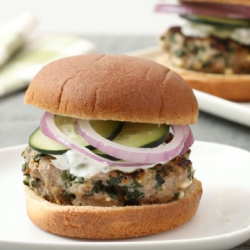
    Turkey Burgers with Spinach, Feta & Tzatziki


    1) Turkey Burgers with Spinach, Feta & Tzatziki


    Serves: 8
    Calories: 376

    Burgers are a staple of early fall evenings when the weather is still warm enough to pop open the grill and throw some patties on top. These Mediterranean-inspired turkey burgers include a creamy tzatziki sauce and cucumber for a refreshing spin on the classic. You can even make the patties ahead of time for a quick, delicious meal you and your family will love!

    Recipe courtesy Eating Well

    Low-Fat Turkey Chili


    2) Low-Fat Turkey Chili


    Serves: 6
    Calories: 330

    Nothing says fall more than a warm bowl of chili on the season’s first cold, snowy evening. This low-fat turkey chili packs a flavorful punch with a mix of spices that includes cumin, oregano, cinnamon, cacao powder and cayenne. It’s an elevated taste that combines perfectly with some fresh salad and corn bread.

    Recipe courtesy Eat This, Not That

    Three-Cheese Spaghetti Squash


    3) Three-Cheese Spaghetti Squash Bowl


    Serves: 4

    Comfort food doesn’t have to be laden with fat and calories — and this three-cheese spaghetti squash proves it! It’s a creative way to serve up bowls of cheesy heaven that taste like a heaven and will have your whole home smelling mouth-watering good!

    Recipe courtesy How Sweet Eats

    Butternut Squash Soup
    4) Butternut Squash Soup

    Serves: 6
    Calories: 150

    Fall wouldn’t be fall without the creamy taste of butternut squash soup. This version blends that autumn staple with fresh ginger, sage, rosemary and other spices that you can serve with warm whole-wheat bread and a refreshing, cold drink.

    Recipe courtesy Love & Lemons

    Skillet Pork Chops with Apples and Onions


    5) Skillet Pork Chops with Apples and Onions


    Serves: 4
    Calories: 570

    The apples, onions and spices bring these pork chops to life with a classy, sweet-and-savory flavor that screams fall. It’s a healthy dish that you can put together in 30 minutes and pair with a healthy side like cauliflower rice for a fully satisfying meal you’ll be making all season long.

    Recipe courtesy Lexi’s Clean Kitchen

    Shaved Brussels Sprouts Salad


    6) Shaved Brussels Sprouts Salad


    Serves: 4
    Calories: 240

    If you’re in the mood for something light and fresh, then this salad is for you. All you have to do is mix in some hazelnuts, apples, shallots with lemon juice, oil and honey and you’ll have a dish you’re sure to love all autumn long!

    Recipe courtesy Country Living

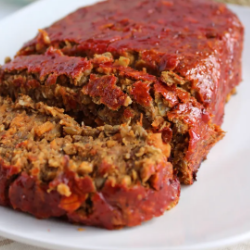
    Mushroom Lentil Loaf


    7) Mushroom Lentil Loaf


    Serves: 6
    Calories: 550

    Vegetarians, this one’s for you! This lentil loaf is moist and tender and full of flavor that goes perfectly with the ketchup glaze. It’s a tasty Sunday night dish — and the leftovers will reheat well for lunch all week long.

    Recipe courtesy Pumpkin and Peanut Butter


    ————————————————————————————


    Author: Caitlin H
    Diet-to-Go Community Manager

    Caitlin is the Diet-to-Go community manager and an avid runner. She is passionate about engaging with others online and maintaining a healthy, active lifestyle. She believes moderation is key, and people will have the most weight loss success if they engage in common-sense healthy eating and fitness.


    Recipes & Kitchen Tips

  • We’re Hiring a Dietitian! | Kara Lydon

    We’re Hiring a Dietitian! | Kara Lydon

    I’m so excited to write this post today because I’ve got exciting news to share: Kara Lydon Nutrition is hiring a registered dietitian to join its growing team! If you’re passionate about helping people heal their relationships with food and their bodies, this job is for you! We practice evidence-based nutrition counseling under the paradigms of intuitive eating and Health at Every Size. We see clients who have eating disorders, disordered eating, digestive disorders, and general health and wellness concerns. We also run the food and healthful lifestyle blog, The Foodie Dietitian.

    You don’t need to have a ton of experience in these areas but you must have a keen passion and interest and eagerness to learn, grow and evolve. And if you do have experience in these areas, even better! More important than the knowledge base or experience, is your general skillset and attitude. We’re looking for someone who is empathetic, compassionate, and mindful. Someone who is highly motivated and hard-working. Someone who is flexible and adaptable and has attention to detail. And someone with strong verbal and written communication skills. If this is sounding like you, I hope you will apply! 

    To give you more insight into our private practice, approach and values, please visit our nutrition counseling page and about page. I’m beyond thrilled to grow this team and to be able to offer nutrition counseling to more people who need support. If you’re not interested in this position but know someone who may be, I would be so grateful if you would pass this along. 

    And for the full job description and application instructions, see below!

    Position Title: Registered Dietitian

    Location: Massachusetts

    Company: Kara Lydon Nutrition

    Status: Part-Time

    Job Overview:Kara Lydon Nutrition is looking to hire a registered dietitian to join its growing team! You will be providing virtual outpatient nutrition counseling to clients with eating disorders, disordered eating, digestive disorders, and general health and wellness concerns. You will collaborate with clients’ treatment teams to coordinate care, and engage in continuing education and supervision to hone your skills and knowledge. In addition to 1:1 counseling, there are also opportunities to run support groups, assist in group creation, and provide marketing support. This is a part-time position that could evolve into full-time.

    About the Company:Kara Lydon Nutrition is a weight-inclusive nutrition private practice specializing in intuitive eating and the treatment of eating disorders and disordered eating. Our clinicians are trauma-informed and social justice-minded. We are currently 100% virtual but may offer a hybrid (remote/in-person) model in the future. We offer regular individual and group supervision, scheduling and billing support, professional memberships, and opportunities for continuing education.

    Job Responsibilities: 1. Utilize medical nutrition therapy and evidence-based care to provide effective and ethical nutrition counseling to clients.2. Coordinate care with other members of treatment teams in professional manner.3. Engage in regular supervision and continuing education to hone skills and knowledge base.4. Coordinate with other members of Kara Lydon Nutrition team for administrative logistics.5. Provide accurate documentation for client visits.6. Run support groups, assist in group creation, and provide marketing support, if applicable.

    Required Work Experience:Preference given to those who have experience working within the eating disorder field. Preference given to applicants with experience and/or interest in working with adolescents.

    Required Skills:• Knowledgeable of the principles of Intuitive Eating and their applications• Familiarity of and alignment with principles of Health At Every Size®• Experience utilizing motivational interviewing and other counseling techniques (CBT, ACT, IFS, etc.)• Ability to analyze research studies and communicate findings• Strong verbal and written communication skills• Detail-oriented, hard-working, and highly motivated• Ability to work independently and as part of a team• Critical thinking and problem solving• Ability to engage in own self-care practices• Eagerness to learn and grow• Empathetic, compassionate, and mindful• Self-aware• Adaptable and flexible

    Education:• Registered Dietitian and licensed in state of Massachusetts• Bachelor of Science or Master of Science in Nutrition

    Compensation: Competitive rate based on qualifications and experience

    Starting Date: February 2023

    To Apply:1. Submit a cover letter stating why you’d be a good fit for this position as well as a resume/CV (including social media accounts, if applicable).2. Email applications to kara@karalydon.com by January 3rd.

  • 2-Week Healthy Meal Plan #4 with Grocery List

    2-Week Healthy Meal Plan #4 with Grocery List

    2-Week Healthy Meal Plan #4 with Grocery List – The Real Food Dietitians


    Privacy & Cookies Policy


  • Free People Beauty Is Full of Vegan Lip Gloss, Luxe Candles & Natural Deodorant

    Free People Beauty Is Full of Vegan Lip Gloss, Luxe Candles & Natural Deodorant

    If you purchase an independently reviewed product or service through a link on our website, STYLECASTER may receive an affiliate commission.

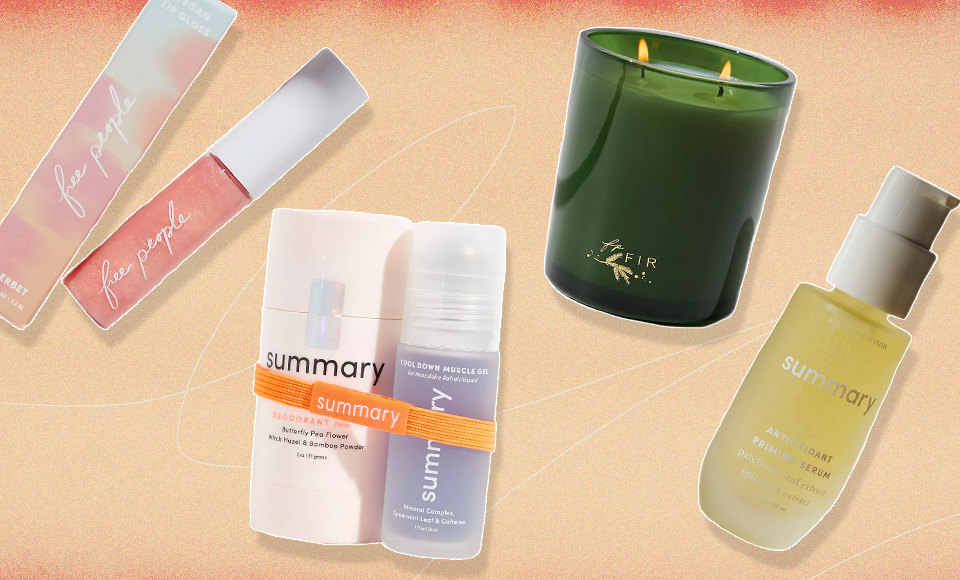
    While you’re at Free People grabbing perfect knits, flirty dresses and oversized cardigans, you might not have noticed the retailer has a huge beauty and wellness section. In fact, Free People even has a secret in-house beauty brand called Summary that trust us, you don’t want to overlook. In addition to Summary, the retailer also makes delicious-smelling candles, vegan lip balm and so much more. Who knew, right?

    Of course, Free People also hawks other best-selling brands such as RMS, Kosas, HigherDose and DedCool. You already know and love these. The real surprise is how great Summary is, along with Free People’s other products they’re making in house. Summary is part of Free People’s Clean Beauty category, meaning each product is “consciously made” with “mindfully sourced ingredients.” If you’re looking for deodorant without aluminum, baking soda, talc, parabens, sulfates and synthetic fragrances — that actually works — Summary has it. And so much more.

    Shop some Free People beauty favorites, below.

    Free People. serum

    Free People.

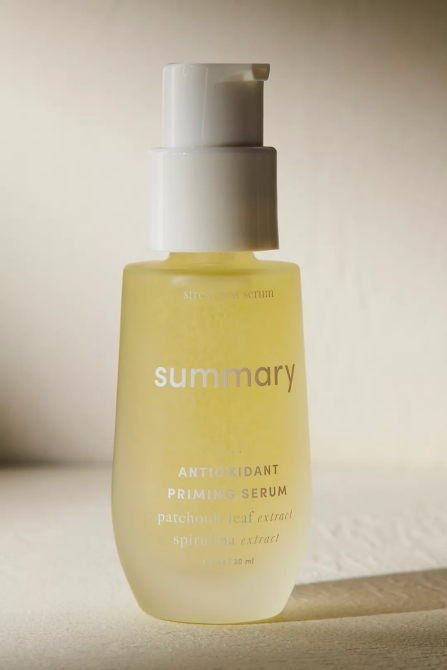
    Summary Stress Less Antioxidant Priming Serum

    This ultra-hydrating serum contains redness-reducing patchouli leaf extract and encapsulated micro-spheres containing omega-rich raspberry and hemp seed oil.

    Free People. candle

    Free People.

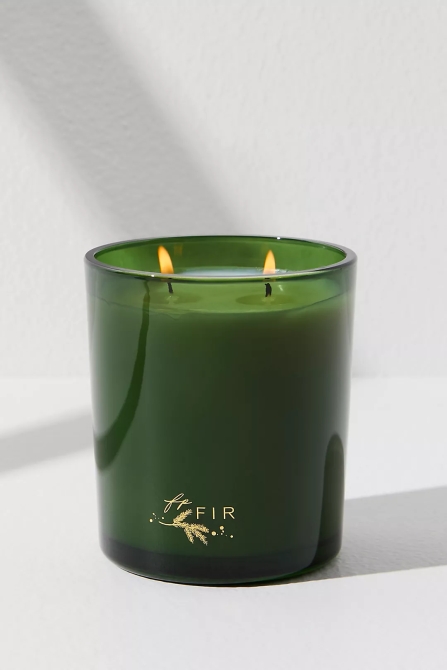
    Free People Balsam Fir Candle

    This luxe candle was hand-poured by Joya in Brooklyn, New York exclusively for Free People. The cozy balsam scent is perfect for all winter.

    Free People. lip gloss

    Free People.

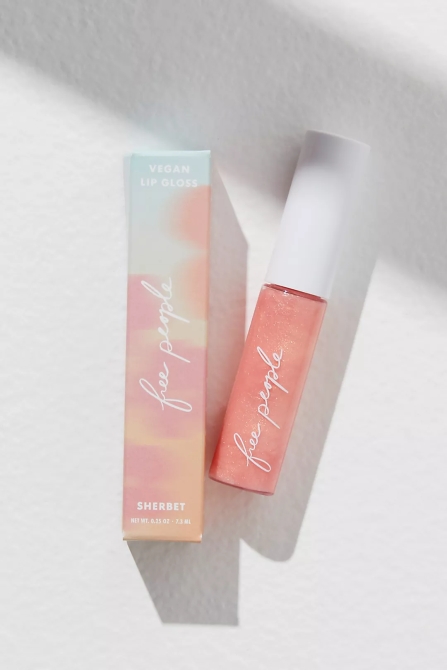
    Free People Vegan Lip Gloss

    This sheer, pearly pink gloss contains hydrating castor seed oil, argan oil and sunflower seed wax.

    Free People. deodorant

    Free People.

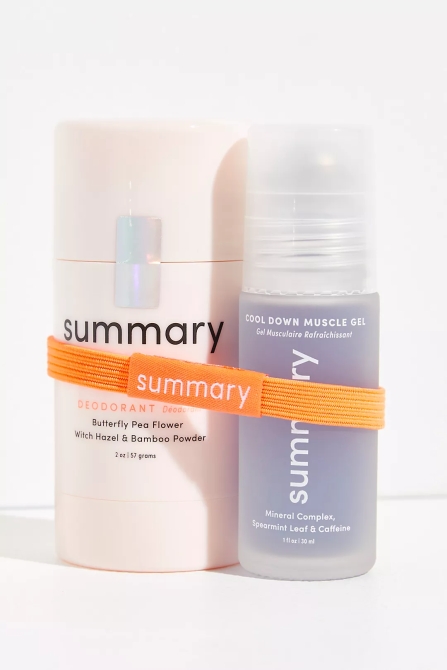
    Summary Cool Down Muscle Gel & Deodorant Set

    This workout-ready set gets you antioxidant-rich deodorant and a cool-down muscle gel, which contains spearmint leaf oil, menthol, and magnesium.

    summary mist

    Free People.

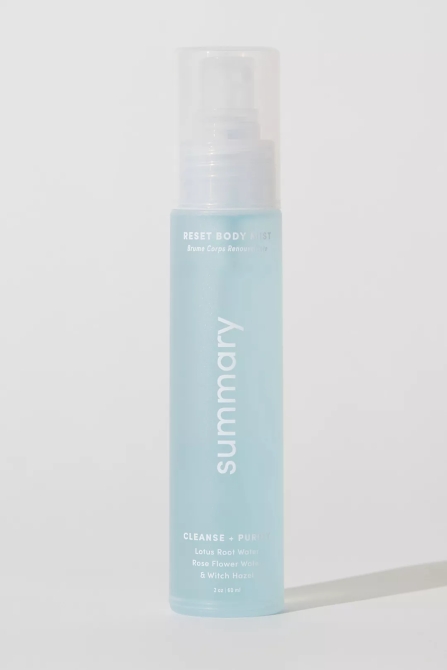
    Summary Reset Clarifying Body Mist

    This cleansing and purifying body mist contains salicylic acid and witch hazel help keep breakouts at bay, as well as tone-evening rose flower and lotus root water,

    StyleCaster Shopping Newsletter Sign Up

  • How Important Is Sunscreen | Mario Badescu Skincare

    How Important Is Sunscreen | Mario Badescu Skincare

    How Important is it to Wear Sunscreen?

    Tweaking your skincare wardrobe for the colder seasons is essential but hold on a second, don’t put that bottle of daily sunscreen at the back of your bathroom cabinet.  Summer might be coming to an end but the ultraviolet (UV) radiation is here to stay. That’s why sunscreen is one of the most important steps in every skincare regimen, any day of the year. When applied and reapplied correctly, sun protection products help safeguard the skin from the damaging effects of UV rays. These harmful effects include premature aging, sun spots, wrinkles, rough skin, sunburns and skin cancer. Sunscreen should be applied all year round, regardless of how sunny it is. The invisible but always present UV radiation can be damaging even on cloudy and grey days, as up to 80% of the sun’s UV rays still reach the earth.

    What are The Types of UV rays?

    There are two types of UV rays which can affect skin and it is crucial to protect your skin from two of their forms. Look for the words ”broad spectrum” on the label of the sunscreen.

    UVB rays – mainly responsible for sunburns, they play a key role in developing skin cancer.UVA rays – can penetrate deeper into the skin which can lead to significant and long-term concerns, such as photodamage and premature aging.

      Sunscreen Ingredients

    What is Chemical Sunscreen vs Physical Sunscreen

    Sunscreen products are formulated with active ingredients that prevent the radiation from reaching the skin. 

    Chemical sunscreen ingredients – absorb the UV rays and stop them from penetrating the skin. Some of the most popular chemical sunscreen ingredients are Avobenzone, Octisalate and Oxybenzone. Physical (also known as mineral) sunscreen filters – these ingredients block the UV rays before they penetrate the skin. They include the minerals Titanium Dioxide and Zinc Oxide that reflect the sun’s UV rays and both offer broad-spectrum protection. Mineral sunscreen is more suitable for people with sensitive, acne- and redness-prone skin and is usually recommended for children, as well.

    What Does SPF Rating Stand For?

    SPF stands for Sun Protection Factor and the number beside it indicates how well the sunscreen protects your skin against sunburn. SPF 50+ filters about 98% of UVB rays, while SPF 30 filters about 97%, so there is a very small difference between them. SPF 15 filters out approximately 93% of the incoming UVB rays. No SPF can block 100% of the UV rays.

    Our Best Sunscreens All Year Round

    Even short exposure to UV rays can be harmful during any season and any part of the day, even indoors. Protecting the skin from the dangerous UV radiation is vital for keeping its healthy and youthful look for longer. Make sure to use a generous amount of sunscreen and reapply it every two hours for the best protection.

    Mario Badescu’s Mineral Sunscreen SPF 30 offers broad-spectrum protection, thanks to physical sunscreen filters, which makes it ideal for every skin type, including the most sensitive ones. This lightweight and fast-absorbing formula with added Hyaluronic Acid and botanicals keeps the skin protected and hydrated while providing a calming effect, thanks to the content of antioxidants. The product is reef-safe and specially composed to be non-drying and fragrance-free to suit even blemish-prone skin.

    If you prefer an oil-free chemical sunscreen, the soothing and antioxidant-rich formula of Mario Badescu’s Oil Free Moisturizer SPF 30, might be the one for you. The combination of ingredients works to hydrate, protect and soothe the skin while even helping to balance the oil production and minimize the appearance of pores.

    Our oil-free Aloe Moisturizer SPF 15 and Hyaluronic Moisturizer SPF 15 are by far our most lightweight everyday sunscreens in the range. With soothing and hydrating ingredients, they can help to visibly reduce post-inflammatory pigmentation to keep even oily and blemish-prone skin hydrated, bouncy and protected.

    And because luminous skin is always in, you can now enjoy the summer glow even during the winter. Mario Badescu’s Summer Shine Body Lotion is enriched with Vitamin A and a subtle shimmer to enhance skin’s radiance for a beautiful candlelit glow, all year round.

    Categories: Skin Care |
    Permalink
  • Ultimate Guide To Aging Skin

    Ultimate Guide To Aging Skin

    With age comes experience, wisdom and beauty. We’ve entered a new age of skin care that celebrates the aging process and embraces the changes it brings. Instead of concentrating on anti-aging, it’s time to focus on keeping your skin healthy and radiant, no matter your age. Read on for our guide to aging gracefully. 

    How Skin Ages | Signs Of Aging | How To Age Gracefully

    How Skin Ages

    Just like the rest of the body, our skin gets older with time. For some, the aging process is slow and steady, while for others it can accelerate at a quick pace. The rate of skin aging differs from person to person and depends on a variety of factors including genetics, lifestyle and exposure to environmental stressors. 

    Two Aging Processes

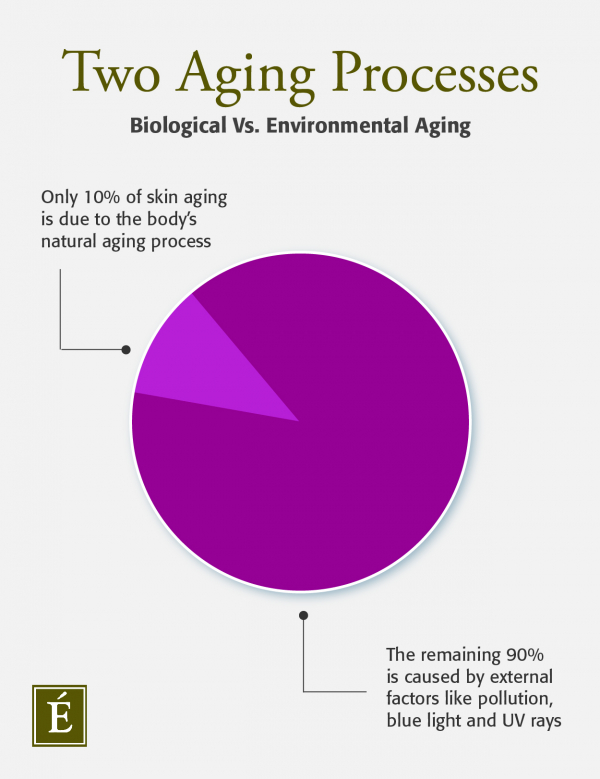
    As we get older, our bodies naturally start to age, a process called intrinsic aging. This is a continual process by which our cellular and biological functions slow. With time, the skin’s strong and flexible matrix begins to weaken and hyaluronic acid, elastin and collagen naturally deplete. Intrinsic aging accounts for only 10 percent of skin changes; the remaining 90 percent is caused by these external influences which accelerate the aging process. Our bodies are also subject to extrinsic aging caused by exposure to environmental stressors. These include lifestyle choices like smoking, poor diet and lack of exercise as well as external factors like pollution, blue light radiation and UV rays from the sun.  

    Biological vs Environmental Aging Infographic

    Free Radicals

    How does environmental aging happen? Pollution, blue light and UV rays expose skin to free radicals. Heidi Waldorf MD likens these highly reactive molecules to “anti-oxygen bombs that trigger inflammation and cascades of damage”. Unchecked, free radicals cause oxidative stress that damages the skin, degrades its structural proteins and leads to premature aging. 

    Inflammaging

    When the skin is repeatedly exposed to free radicals, a process called inflammaging can kick in. According to our Product Support Representatives: “Inflammaging is a term used to describe aging induced by chronic, persistent, underlying inflammation that ultimately exhausts the skin’s defense system. This weakens skin structure, results in the degradation of collagen and elastin and impairs the skin’s barrier function.” 

    Signs Of Aging

    As we age, it’s normal for our years to begin to show on our faces. Here are a few signs of aging that develop due to the loss of hyaluronic acid, collagen and elastin over time.

    Fine Lines And Wrinkles

    Hyaluronic acid, collagen and elastin are what keeps the skin plump, firm and elastic. They give skin the density and bounce typical of a youtticity. It can’t bounce back from repetitive motions (like frowning and smiling) and beginshful complexion. As they degrade, the skin loses moisture, structural support and elas to fold in on itself, causing creasing in the form of fine lines and wrinkles (hello, forehead lines).

    Sagging Skin

    As it loses strength, the skin also has greater difficulty defying the pull of gravity. Our skin starts to slacken and hang more loosely, especially around the lower face and neck. Eminence Organics International Trainer Brian Goodwin explains: “When the foundation slips, we see jowls form, loosening of the tissue around the eyes and an overall drooped appearance for the entire face.”

    When the foundation slips, we see jowls form, loosening of the tissue around the eyes and an overall drooped appearance for the entire face.

    Hyperpigmentation

    Another sign of aging skin is hyperpigmentation in the form of sun and age spots. In aging skin, these dark spots are typically brought on by years of sun exposure. When faced with UV rays, the skin protects itself by triggering the production of a pigment called melanin. As time passes and the skin’s melanocytes (the cells that produce melanin) are stimulated over and over, they start to overproduce and cause deposits of pigment on the skin’s surface.

    How To Age Gracefully And Maintain Healthy Skin

    While you can’t turn back the hands of time, you can make simple changes that ease the aging process. There are several ways to keep aging skin in good shape, including adopting a healthy lifestyle, eating a balanced diet and using results-oriented skin care.

    Healthy Lifestyle

    One of the best ways to minimize the visible signs of inflammaging is to cut down on stress. According to the Huffington Post, studies show that people with high levels of stress have shorter telomeres, which are located at the tips of DNA chromosomes causing cells to die or become damaged more quickly. Adopting healthy habits like regular exercise, meditation and a sleep schedule can help ease stress and by extension, slow premature aging. 

    Balanced Diet

    Another way to help your skin age gracefully is to adjust your diet. Sugar, salt and alcohol are key culprits of premature aging and can easily be cut down. Swap in antioxidant-rich foods such as berries and leafy greens to assist your body in fighting free radicals. And, (surprise!) drink plenty of H2O to keep your skin (and body) hydrated and healthy.

    Use A Nighttime Skin Care Routine

    Did you know that your skin undergoes its most intensive repair process at night? Surprisingly, one way to wake up to smooth-looking skin is by establishing a nighttime routine. That’s because during sleep, skin has the chance to counteract the environmental influences from the day. Our bodies are in repair mode while we sleep so getting a good night’s rest is imperative to achieving skin that looks and feels healthy.

    In addition, our skin experiences transepidermal water loss (TWL) overnight that can weaken its protective hydrolipid barrier. Night treatments provide the opportunity to deliver moisturizing ingredients topically on the skin to prevent water loss from happening and effectively deliver the product benefits. Treating your skin to nourishing, hydrating products at night is ideal as it has been shown that oil production is two times lower than during the day.

    Some of our Monoi Age Corrective products feature an exclusive Argan Stem Cell Complex that unites with antioxidant-rich monoi. The ingredients in this collection work to visibly firm, hydrate and nourish all skin types.

    Brian suggests using the Monoi Age Corrective Collection in your nighttime regimen for any skin type: “The skin is more receptive to absorbing ingredients at night, when the epidermis becomes more penetrable. This factor makes it even more paramount to incorporate hydrating ingredients and protective oils into nighttime routines.”

    Use Specific Skin Care ingredients

    You can also minimize the visible signs of aging with topical skin care. Applying skin care products that restore moisture, deliver antioxidant-rich ingredients and promote health are key to keeping skin youthful. Here are a few ingredients to look for when you’re selecting products for your skin care routine:

    Our Product Support Representatives recommend the following products that contain many of the ingredients listed above. Firstly, the Citrus & Kale Potent C+E Serum is formulated with Vitamin C to improve the appearance of fine lines and wrinkles and minimize the appearance of free radical damage. Vitamin C in this serum is stabilized by botanically-derived ferulic acid which provides antioxidants to brighten the look of the complexion.

    Next, you can use anything from the Marine Flower Peptide Collection to combat the signs of aging. For example, the Marine Flower Peptide Serum rejuvenates the complexion thanks to a Smart Collagen+ Complex as well as the use of an algae extract which increases hydration and improves the look of firmness.

    Exfoliation is an important skin care step for reducing the signs of aging and this can be achieved by using the Strawberry Rhubarb Dermafoliant. This dermafoliant is formulated with lactic acid and our Botanical Hyaluronic Acid Complex. Lactic acid is an alpha-hydroxy-acid (AHA) exfoliant that removes a buildup of dead skin cells. The Botanic Hyaluronic Acid Complex contains hyaluronic acid and marshmallow root that offers deep hydration. 

    Use Face Sculpting Tools 

    Does face contouring really work for the visible signs of aging? Absolutely, and we have an in depth tutorial on how to use face sculpting tools that leave the skin looking dazzling and depuffed. Watch our Lead Skin Care Trainer, Natalie Pergar, as she shows you how to contour your face using ice globes, and find out which products you need for the most effective routine. Let us know if you notice a difference!

    Ready to age gracefully? For a skin care routine tailored to your unique skin type and concerns, book a consultation with a licensed esthetician at an Eminence Organics Spa Partner near you.

    This article was originally written in October 2019.

  • Is Your Diet Really Healthy? 10 Quick Tips to Eat Better

    Is Your Diet Really Healthy? 10 Quick Tips to Eat Better

    by Caitlin H,

    Nov 7, 2022

    Is your diet healthy?

    If you’re incorporating plenty of fruits, vegetables, lean protein, complex carbs and whole grains into your diet, you probably think you’re eating a well-rounded diet.

    There’s a solid chance that may be true! But, a recent study published in the American Society for Nutrition found that many of us think our diet is healthier than it really is.

    Researchers from the U.S. Department of Agriculture surveyed 9,700 participants every two years, asking them to rate their diet quality. It found that about 85% could not assess their diet’s quality correctly. What’s more, 99% overrated their diet’s healthfulness.

    Those findings mean that most of us think we’re eating healthfully when we are not. That can be problematic, as eating a healthy diet can go a long way towards improving many aspects of your health, including:


    Controlling blood sugar.
    Decreasing blood pressure.
    Balancing cholesterol levels.
    Lowering heart disease and stroke risk.


    Thankfully, you can take control of your diet and ensure you’re getting the proper nutrition that can support you in reaching your goals. Below are 10 quick and simple tips for eating a healthy, well-rounded diet.


    1) Get rid of any highly-processed foods.


    If you think that bag of dried fruits or the “all-natural” potato chips are good for you, think again. Packaged, factory-processed foods are rarely healthy. Do yourself a favor by removing it from your house.


    2) Load up on whole grains.


    Not all breads are created equal. Buy whole wheat or whole grain bread instead of white bread to gain benefits that include a reduced risk of diabetes, cancer, heart disease and more.


    3) Go for Greek rather than traditional yogurt.


    Just because it’s yogurt doesn’t mean it’s healthy. In fact, many varieties of yogurt are loaded with excess sugar that makes them anything but. Greek yogurt has more protein, fewer carbs and less lactose than traditional yogurt, making it a healthier alternative.


    4) Use the oven instead of the grill or fryer.


    Fried food is a pretty obvious no-no when it comes to healthy eating. But did you know that grilling may also be less than ideal? Grills may have harmful, fatty components left on their grates, making them a less healthy form of cooking than using an oven. In contrast, you can use your oven and stovetop for baking, broiling, steaming, simmering and stewing — all better options.


    5) Eat protein for breakfast.


    A protein-packed breakfast gives your body slow-burning energy that can keep you full and focused all day long. Eggs are one of the best options for your morning meal. Eating eggs for breakfast may even decrease the number of calories you eat the rest of the day.


    6) Cover half your dinner plate with vegetables — and eat them first.


    Dinners should typically include lean protein, a complex carbohydrate and plenty of vegetables. In fact, you should aim to cover half your plate with vegetables. When you sit down to eat, try to start with the vegetables. Then, eat the lean protein and end with the complex carbohydrate.


    7) Drink water instead of juice or soda.


    Beverages like juice and soda are some of the least healthy things you can consume. They typically have very little nutritional value and are loaded with sugar and calories that don’t do anything to fill you up or keep you energized. Instead, drink water or sparkling water, which keeps you properly hydrated and can even fill you up, so you don’t overeat later!


    8) Ensure every grocery store visit includes a shopping list.


    Heading to the supermarket without a shopping list is a disaster waiting to happen. If you’re unsure what to buy, you are much more likely to plop things into the cart on impulse. And it’s likely those items will be less nutritious than items you can add to your list ahead of time. Also, be sure to eat before grocery shopping, as going hungry tends to lead to snack-buying.


    9) Dine at home instead of at restaurants.

     
    While eating out occasionally can be a nice treat, try to avoid doing it regularly. Even if you opt for the healthiest choice on the menu, you have yet to determine for sure how the restaurant staff prepared the food. That can lead to excess calories and no explicit knowledge you’re getting the nutrition you need.


     10) Plan your meals ahead of time.


    Taking the time to plot out your meals for the week is a vital part of healthy eating. Meal planning means you know exactly what you’re eating each day to ensure you get the proper balance of calories and nutrition. It also helps you avoid poor choices like takeout, drive-thrus, snacking, etc. If you’re an especially busy person or unsure how to go about meal prep and planning, you can opt for a healthy meal delivery service like Diet-to-Go.

    Diet-to-Go’s chef-prepared meals are carefully balanced for portion size, nutrition content, calories and, of course, taste! We’ll deliver meals right to your door, meaning all you have to do is heat and eat! View our meal plans here.


    ————————————————————————————


    Author: Caitlin H
    Diet-to-Go Community Manager

    Caitlin is the Diet-to-Go community manager and an avid runner. She is passionate about engaging with others online and maintaining a healthy, active lifestyle. She believes moderation is key, and people will have the most weight loss success if they engage in common-sense healthy eating and fitness.


    Nutrition

Padişahbet Güncel Giriş
new online casino
Padişahbet
Crypto Casino
Padişahbet Giriş