Blog

  • Mediheal’s Tea Tree Face Mask From Amazon Is Jimin’s Travel Essential

    Mediheal’s Tea Tree Face Mask From Amazon Is Jimin’s Travel Essential

    If you purchase an independently reviewed product or service through a link on our website, STYLECASTER may receive an affiliate commission.

    The members of BTS are known for their flawless skin, which has fans constantly wondering what the heck they use to get complexions that can only be compared to perfect, smooth, unblemished objects—like glass, mochi, milk and porcelain. Of course, the group has the occasional beauty brand partnership it promotes, but what about the products the members actually use in their everyday lives?

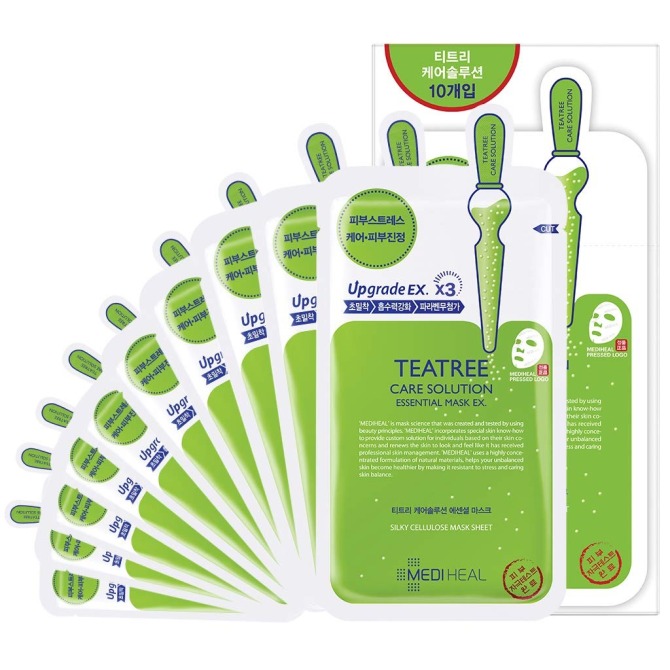
    Thanks to Jimin’s video with Vogue, us ARMYs no longer have to wonder. “There’s one thing I always take with me when I travel,” he says in the video. He reaches for Mediheal’s Tea Tree Care Solution Essential Mask and adds, “Seriously. This is not a commercial. Not a paid commercial. My money, my purchase. I can often get dry in the hotel. So I always bring face masks.”

    Mediheal Tea Tree Care Solution Essential Mask (Pack of 10) Amazon

    Photo: Mediheal.

    BTS has collaborated with Mediheal in the past, so it’s not surprising that the face mask of his choice comes from the K-beauty brand. But let’s get to the bottom of why Jimin loves this sheet mask in particular and how it helps calm and hydrate his skin when he travels around the globe.

    Tea tree oil controls oil production, chamomile relieves stressed skin and centella asiatica strengthens tired skin, according to the brand. Jet-setting can certainly aggravate your skin. It usually manifests itself in dehydration (dry skin) and sometimes even irritated skin (perhaps it’s redness or blemishes). Knowing how these ingredients can benefit your complexion, it makes total sense why Jimin always has this face mask on hand when he’s hopping from one city to the next.

    Lucky for you (and me), the Tea Tree Care Solution Essential Mask comes in a pack of 10 for $26 on Amazon. The set just so happens to be on sale right now for just under $20. That means each mask costs only $2. You can save even more by selecting the Subscribe & Save option on the product page. Doing so enables regular deliveries to ensure you never run out of this skin savior.

    You heard our Baby Mochi! Add this pack of 10 Mediheal face masks to your cart so that your skin stays moisturized and soothed wherever you go. ARMYs are quick to sell out BTS-approved products, which means you should jump on this discount, stat (I know I am). 

    RELATED: This $10 Skin-Tightening Chin Mask Went Viral on TikTok & Sold Out 3 Times—Here’s Where to Buy It

    The three key ingredients join forces to “improve the restorative process of your skin to control acne breakouts, red spots, and redness on the skin,” per the brand. “This face sheet mask contains several rich ingredients that create a moisture barrier over the skin to prevent moisture loss. This moisturizing layer strengthens the skin and prevents dryness while soothing redness and irritation on sensitive skin.”

    On top of that, the product smooths texture and reduces the appearance of pores. It also balances sebum production, so that you have a healthy glow rather than a shiny layer of excess oil.

    To get skin like Chim Chim’s, apply the step-1 maskand keep it there for 15 to 20 minutes. It’s made from a self-adhesive soft bamboo cellulose material so that it sits comfortably on your face. Next, remove the mask and lightly tap the leftover essence into your skin. And finally, apply the step-2 ampoule all over your face in an even layer. That’s it! 

    Go, go (*wink, wink*) and get this Mediheal face mask set while it’s still on sale for under $20 at Amazon. $2 a sheet mask is such a steal!StyleCaster Shopping Newsletter Sign Up

  • Vitamin C: What Does It Do For Your Skin?

    Vitamin C: What Does It Do For Your Skin?

    It’s no secret that Vitamin C is a skin care superstar. This powerhouse ingredient is celebrated for its ability to deliver a brighter complexion, even out skin tone and diminish the appearance of fine lines and wrinkles. Here’s everything you need to know about Vitamin C and how to add it to your skin care routine. 

    What Is Vitamin C?

    First things first: What exactly is Vitamin C? Also known as ascorbic acid, Vitamin C is a potent antioxidant that is necessary for the growth, development and repair of all body tissues — including the skin. As Eminence Organics Lead Skin Care Trainer Natalie Pergar tells us: “Vitamin C is an incredibly effective nutrient for your body and an all-around savior for skin care. It’s been found to help prevent UV damage, reduce pigmentation, reduce inflammation and boost collagen production in skin.” We cannot produce Vitamin C and our bodies don’t store it; therefore, we can only receive its benefits by ingesting it (think chewable vitamins and freshly-squeezed orange juice) or by applying it topically (cue Vitamin C in your favorite skin care serums and moisturizers). Popular sources of Vitamin C include:

    Citrus fruits such as lemon, orange and grapefruit
    Leafy greens such as kale, broccoli and spinach
    Tomatoes
    Strawberries
    Rosehip oil
    Seabuckthorn oil
    Kakadu plum

    You might think that oranges has the highest concentration of Vitamin C, but surprisingly, Kakadu plum has 30 to 50 times the amount of Vitamin C in comparison. Eating this superfruit or applying it topically may potentially aid in reducing the appearance of dark spots, enhancing skin radiance and minimizing the appearance of wrinkles. You can read this guide on superfoods for skin for more information.

    Vitamin C Benefits For Skin

    The benefits of Vitamin C for the skin are seemingly endless. One of its most important features is that it is able to mitigate skin problems before (and even after) they occur. According to Natalie: “One of the great things about Vitamin C is it both helps prevent and repair damage caused by our environment.” During the day, Vitamin C can provide additional protection against the aging effects of environmental stressors such as pollution, blue light and UV rays; at night, its rejuvenating properties can minimize the look of damage caused by free radical exposure. Here’s a closer look at Vitamin C’s many skin care benefits.

    Fights Free Radicals

    Heidi Waldorf, MD describes free radicals as “anti-oxygen bombs that trigger inflammation and cascades of damage”. These highly unstable molecules are missing an electron and, in an attempt to stabilize, steal electrons from otherwise healthy cells. This type of attack changes cell composition and triggers oxidative damage that presents as dryness, irritation and premature aging. 

    How can free radicals be stopped? Neutralize the “bomb” so to speak. Antioxidants donate an electron to free radicals before they can cause undue damage to the skin. Vitamin C is one such antioxidant that can neutralize and remove free radicals, thereby minimizing the visible impact of exposure to pollution, particulate matter and other types of environmental stress. 

    Supports Skin’s Barrier Function

    One of the ways Vitamin C benefits overall skin health is by supporting the skin’s barrier function. The lipid barrier is an essential part of the skin’s outer layer and is often likened to mortar, holding together the bricks that are your skin cells. When healthy, it acts like your skin’s security guard: It keeps in the good by helping skin retain moisture and keeps out the bad by denying potential irritants (like troublesome free radicals). Studies show that Vitamin C enhances the production of barrier lipids and, by extension, the skin’s ability to protect itself from transepidermal water loss, keeping it healthy, happy and hydrated.

    Minimizes Fine Lines & Wrinkles

    Collagen and elastin are frequent victims of free radical damage. These structural proteins are responsible for the density and bounce associated with a youthful complexion. When weakened, they are unable to provide much-needed structural support and, as a result, the visible signs of aging (including sagging skin and fine lines and wrinkles) begin to develop.

    As an antioxidant, Vitamin C helps stave off the visible signs of aging caused by free radical damage. In fact, a 2007 study by the American Journal Of Clinical Nutrition found that women aged 40-74 who consumed high levels of Vitamin C appeared to have fewer fine lines and wrinkles and less overall dryness in their skin. 

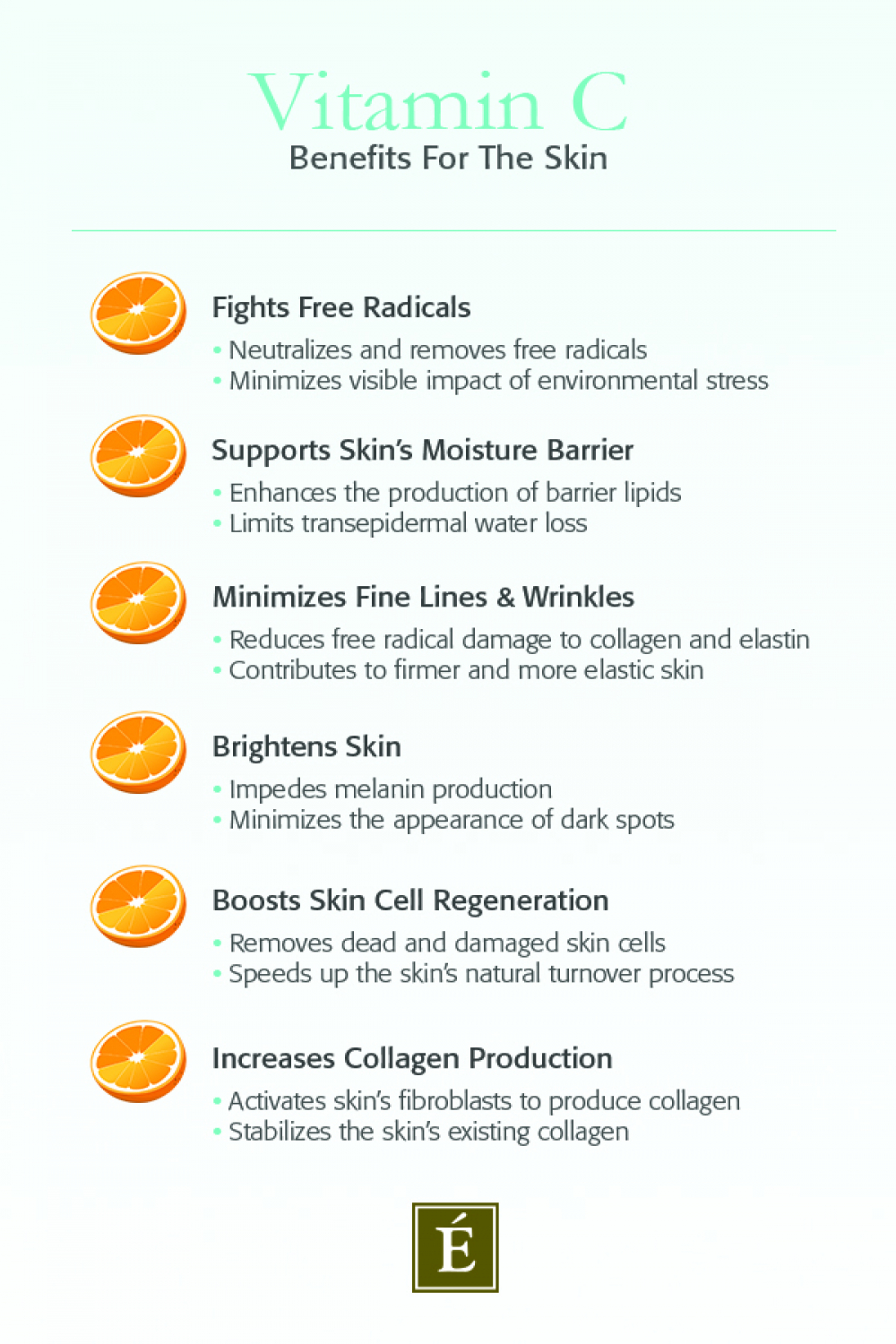
    Benefits Of Vitamin C Infographic

    Brightens Skin

    Vitamin C’s antioxidant quality can also minimize the appearance of hyperpigmentation. When faced with stress, the skin defends itself by triggering cells called melanocytes to produce the pigment melanin. Vitamin C inhibits the function of tyrosinase, the enzyme that activates the skin’s melanocytes, thereby impeding melanin production and minimizing the appearance of dark spots and hyperpigmentation. This contributes to a brighter and more even-toned complexion.

    Boosts Skin Cell Regeneration

    Skin cell turnover is the process by which dead cells are shed from the skin’s top layer and new, fresh cells rise to the surface. One feature of healthy skin is its ability to efficiently turn over, a process that slows with age. With its acidic nature, Vitamin C is helpful in sloughing away dead and damaged skin cells, thereby speeding up the skin’s natural turnover process. This not only smooths skin texture, but also reduces dullness and minimizes the look of dark spots and hyperpigmentation.

    Increases Collagen Production

    In addition to extrinsic factors (like environmental stress), intrinsic — or biological — aging contributes to the decline of collagen. As you age, your skin’s stores of collagen naturally deplete and degrade, resulting in the visible signs of aging. Vitamin C not only activates the skin’s fibroblasts to produce new collagen, but it also stabilizes the collagen you already have, helping skin stay firm, plump and youthful-looking for longer. 

    Watch this In The Mix video where Natalie outlines how Vitamin C may reverse the visible signs of aging: :

    How To Use A Vitamin C Serum

    Natalie tells us: “Vitamin C is essential in everyone’s routine. Your body doesn’t make this vitamin, so the only way to obtain its benefits is to apply it topically.” One of the best delivery vehicles for Vitamin C to the skin is a serum. Here’s how to use a Vitamin C serum in your skin care routine.

    Perform A Patch Test

    If you have sensitive skin, we recommend performing a patch test before adding a new ingredient to your skin care routine. Follow these steps with a licensed esthetician at your favorite Eminence Organics Spa Partner: 

    Select a small area of skin that can be easily concealed (like your forearm or behind your ear).
    Apply a small amount of product and wait 24 hours.
    If no side effects occur, apply to your face. Discontinue use if you experience any discomfort such as a rash, redness or hives.

    Add A Vitamin C Serum To Your Skin Care Routine

    Adding a Vitamin C serum to your skin care routine is simple. Vitamin C is typically formulated in a fast-absorbing formula, suitable for all skin types that can be used both morning and night. Skin care experts recommend applying 1-2 drops of serum to cleansed and toned skin. Use your fingers to spread a thin layer of serum over your face and neck, then wait for it to completely absorb before applying your favorite facial oil and/or moisturizer. 

    Watch this video to learn from Natalie about how you can add Vitamin C into your skin care routine: :


    What To Look For In A Vitamin C Serum

    When choosing a Vitamin C serum, there are a few things to keep in mind. Pick a serum with:

    L-ascorbic acid (the most potent and effective variety of Vitamin C in skin care).
    A concentration of 10-20%. Below 10% may not be sufficiently potent and above 20% can be too powerful for most skin types. 
    Complementary ingredients like Vitamin E and ferulic acid enhance Vitamin C’s antioxidant properties and keep the formula stabilized.

    Citrus & Kale Potent C+E Serum

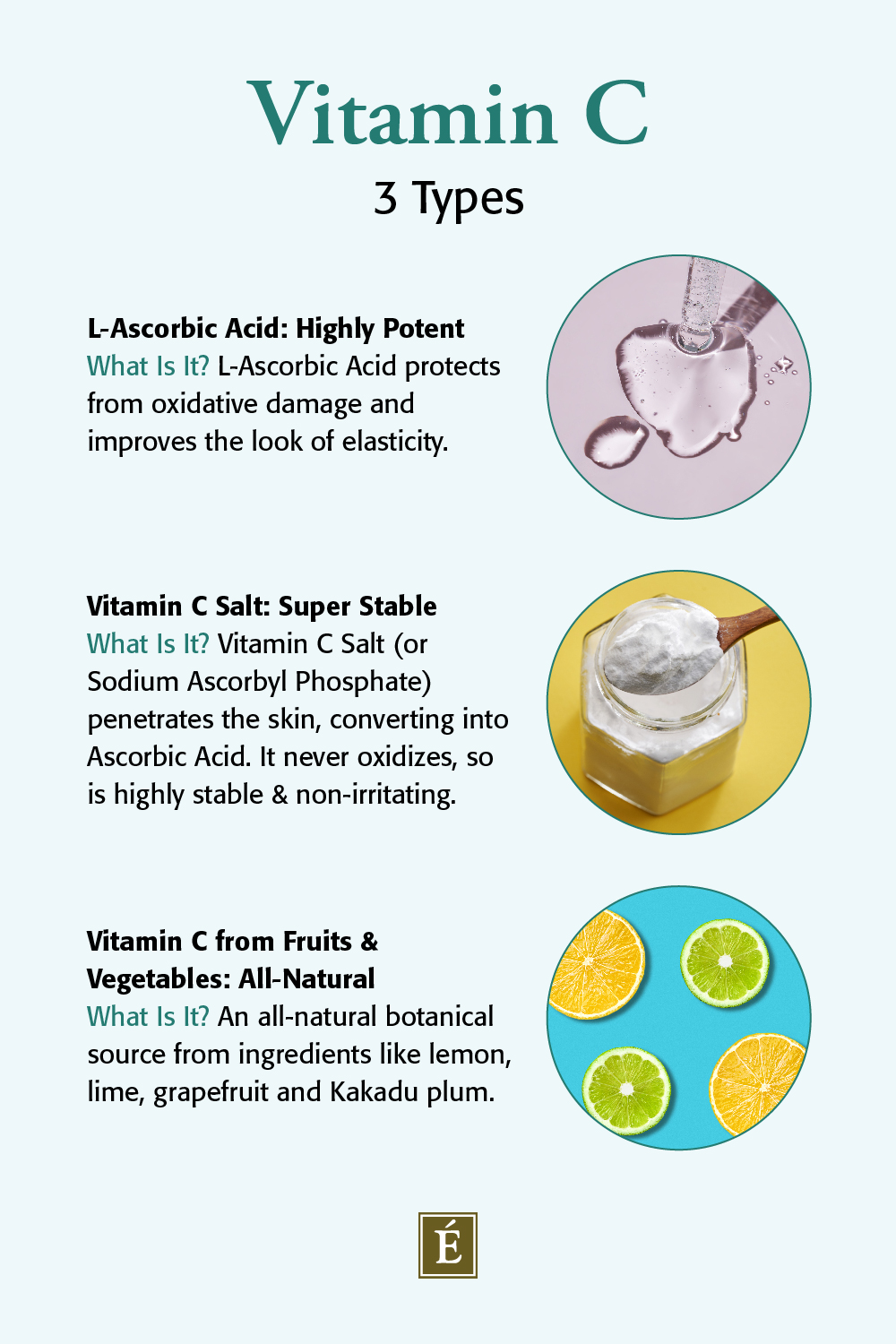
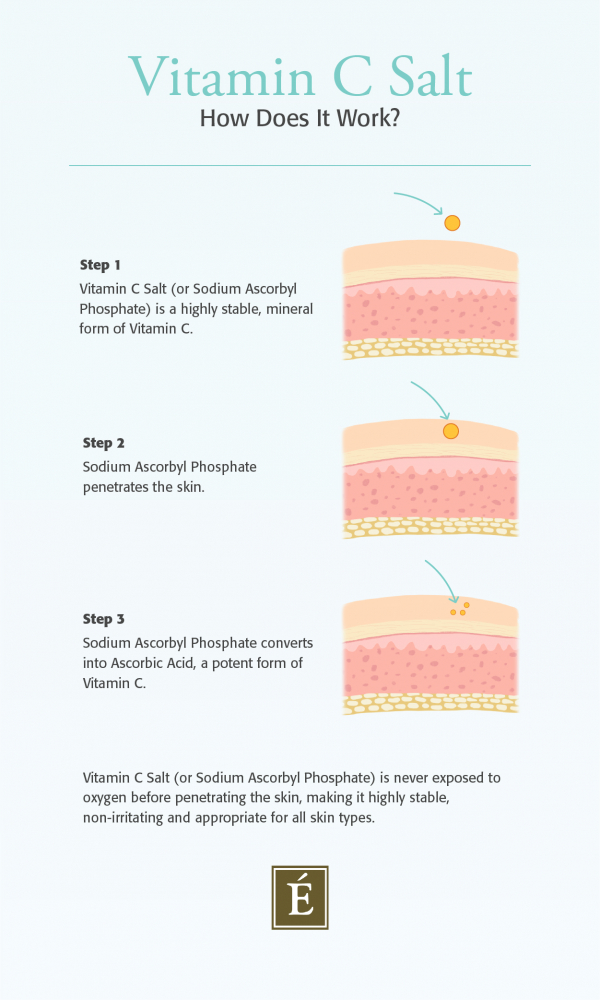
    Our Citrus & Kale Potent C+E Serum is a lightweight formula that can easily be added to any skin care routine. This serum is formulated with Vitamin E and ferulic acid which, as mentioned, enhances its antioxidant properties and helps to retain its potency. This formula also includes three varieties of Vitamin C. First, there’s L-ascorbic acid, a powerful form of the antioxidant. Second, you can find Vitamin C from natural sources — citrus fruits like lemon and orange and leafy greens like kale and broccoli. And third, the serum contains sodium ascorbyl phosphate (also known as Vitamin C salt) which is illustrated below.

    Pro Tip: Enhance your routine with the Rosehip Triple C+E Firming Oil and Citrus & Kale Potent C+E Masque. The hydrating qualities of these complementary products add essential moisture and encourage the skin to absorb more Vitamin C over time, thereby enhancing the efficacy of the serum.

    Vitamin C salt skin care

    Why Vitamin C & E Together?

    There’s a reason we combine Vitamin C, Vitamin E and ferulic acid. Natalie says: “Together, these ingredients provide additional protection against free radicals to further reduce the appearance of damage so skin stays healthy-looking, smooth and luminous.” According to Mindbodygreen, one study found that these two ingredients increase Vitamin’s C effectiveness eightfold! As well as boosting potency, the addition of Vitamin E and ferulic acid helps to stabilize Vitamin C, which is a notoriously finicky ingredient. 

    How To Store Vitamin C & Keep It Stable

    Vitamin C is a vulnerable ingredient that will break down if it is routinely exposed to air and light. Unless protected, it rapidly degrades and oxidizes, losing its antioxidant benefits. In addition to choosing a serum that is packaged in an opaque, air-restrictive bottle, store your Vitamin C serum in a cool, dark place to keep it away from sunlight. You can even go as far as storing it in the fridge to keep it fresh for longer. 

    Understanding the properties of Vitamin C for the skin, and how to store it for long-term use, can be linked back to the research of a small group of scientists. In particular, it was one Hungarian scientist who made some very important discoveries in the 1920s and 30s, as you’ll read next.

    The History Of Vitamin C

    The isolation and identification of Vitamin C was one of the most important discoveries in the 20th century, leading to dramatic improvements in human nutrition. Scurvy was among many diseases suffered due to malnutrition. According to research, it was a common problem in the world’s navies during the 18th century and is estimated to have affected 2 million sailors. Symptoms included fever, swollen and bleeding gums, and delirium and pain in the limbs.

    It’s reported that in 1928, the Hungarian research team consisting of Albert Szent-Györgyi and Joseph L. Svirbely isolated a substance from adrenal glands that they called hexuronic acid, and later renamed ascorbic acid, or Vitamin C. 

    The new name ascorbic acid is derived from scorbuticus (the Latin name for scurvy), since a lack of this molecule may lead to scurvy in humans and other animals. In 1937, Szent-Györgyi won a Nobel Prize in medicine for both the discovery of Vitamin C and the description of oxidation, becoming a Hungarian national hero.

    Are you ready to add a Vitamin C serum to your skin care routine? Visit an Eminence Organics Spa Partner to learn more about how this classic ingredient can benefit your skin.

    This article was originally written in August 2019.

  • Is It Okay to Mix and Layer Different Skincare Serums?

    Is It Okay to Mix and Layer Different Skincare Serums?

    When you open TikTok or Instagram, it seems like every “Get Ready With Me” video features someone slathering on layer after layer of fancy skincare serums. The pressure to have an extensive skincare routine is real, and sometimes it can feel like you’re supposed to be using every serum and active ingredient under the sun for that elusive “best skin ever.” It’s no surprise, then, that people wonder if they should be layering serums. How many should you be using? What kinds can you mix together? There are even “recipes” online for creating your own bespoke routine by mixing various serums together before applying them. At first, it might seem like a great idea. After all, there are so many high-performance skincare ingredients out there these days, why not add some of them together to give your skin as many benefits as possible?

    Thankfully, though, the answer to all this is refreshingly simple. Mixing and layering your serums won’t give you the best results—you should be rotating one at a time instead. Keep scrolling to learn why layering and mixing aren’t the way to go, how to rotate your serums, and which ingredients you should never mix.

    First, What Is a Serum?

    A serum is a concentrated skincare product with active ingredients. They are typically lightweight and water or lotion based because this allows them to penetrate deeper into the skin where they can create the most change. Where a cleanser, toner, and moisturizer are the building blocks of a solid routine, you reach for a serum to target specific concerns and create tangible change. Be it acne, dehydration, discoloration, or signs of aging—there’s a serum for that. 

    A serum should always be applied after you’ve cleansed and applied toner, then followed up with moisturizer.

    Read what is a serum, and do I really need one?

    Should You Layer Serums?

    As I said earlier, there are so many amazing active skincare ingredients available that it seems like using more than one would maximize results. But What actually happens when you layer serums on top of one another? 

    Let’s say you start by applying a niacinamide serum then layer a vitamin C serum on top of that. The first serum is going to penetrate the skin as it’s meant to, but it will probably also leave a little residue behind on the skin’s surface. This means the second serum has a bit of an obstacle and might not be able to penetrate as effectively. The more serums you add, the more diluted they become. To go back to our example, this could mean the vitamin C serum you apply is now half as effective as it’s meant to be.

    While it’s tempting to load up on multiple products and ingredients, your skin can only absorb so much. Think of it as a sponge; at some point, a sponge has absorbed all it can and water will just pour over it. This happens with your skin as well. Trust me, by using everything at once, you’ll just end up throwing your money down the drain. 

    Another concern is that many serums include very active ingredients. When you apply too many strong ingredients to your skin at once, you run the risk of irritation. That will only cause damage and undo all the good you were trying to do with your serums. 

    If you’re intent on layering, I don’t suggest more than two serums—one with an active ingredient like retinol or exfoliating acids, and one that’s purely a hydrating serum. These tend to play nicely with others and can add a little extra layer of moisture if that’s what you’re looking for.

    What About Mixing Serums?

    So layering is all good, but what about mixing everything together to create on super-serum? Hate to burst your bubble, but it doesn’t work this way either. 

    Even if the ingredients in two different serums can technically be combined, you still run into the issue of dilution. Again, you’d be wasting your money by not getting full benefits from the product. 

    Let me also make this point. Not all serums are equal. Chemically speaking, one formula may be designed to penetrate via a certain mechanism. Another product may not have the same penetration enhancers. You may be making them chemically less efficient, by disrupting their intended processes. Basically, it’s like you’re confusing the serums by mixing them together.

    Lastly, I never recommend mixing water-based products with oil or emollient-based products. I know some people like to mix their serums into moisturizer, and I’m not a fan since this can really mess with the efficacy of a serum. It’s best to apply a serum, let it dry down or get tacky for a few seconds, then apply a thin layer of moisturizer on top. 

    How Can You Get All the Benefits Without Layering Serums?

    It’s true that you’ll get the greatest benefit by using a variety of active ingredients, so here’s the best way to incorporate multiple serums into your routine.

    Instead of Layering Your Serums, Rotate Them 

    Think of your serums like a workout routine—variety will give you the best results, but you wouldn’t want to do all your workouts on the same day or it would lead to fatigue. The same goes for serums. By focusing on one at a time instead of layering your serums, you’ll get the maximum benefit without any interference for a well-rounded approach.

    Btw, if you’re reading this and thinking to yourself, “This sounds an awful lot like skincycling,” you’re absolutely right! The concept of rotating your serums in a specific order isn’t new, but the viral #skincycling trend has brought greater awareness to this concept. Since it’s something many of us estheticians have been preaching to our clients for years, I couldn’t be happier that it’s gaining traction. 

    If you don’t already know, skincycling is a guide to rotating serums in your nighttime routine. A serum schedule, if you will. It’s a great blueprint to follow, but know that skincycling can look different for everyone. For example, not everyone uses a retinol serum, and that’s okay! It’s important to use the ingredients that support your skin type and your skin goals. Those who do use retinol may not be able to tolerate the same frequency of use. It’s all about experimenting a little and figuring out what works best for you. Or, if you’re confused, I always recommend seeking the advice of a skincare professional. Our virtual consultation program makes this accessible to everyone. 

    How to Rotate Your Serums

    Skin is unique (this is the entire philosophy my brand is based on), so not everyone can follow the exact same schedule. That said, this is the general guide I developed as a blueprint. Remember, this is something to build towards—if you’re starting retinol for the first time you’ll want to work your way up slowly. 

    For nights one and two, use a retinol serum like the Advanced Resurfacing Serum.

    Night three is an exfoliating acid serum. The reason I suggest this is that it takes about 48 hours for retinol to increase cell turnover from within and push the old skin cells to the surface. The exfoliating acid serum will help shed those dry, expired cells that are being pushed out by the retinol. This will help manage the surface dryness sometimes associated with retinol use. Again, the type of exfoliating acid serum you use will depend on your skin type and individual needs. To find out which type you need, you can take this Skin Type Quiz

    At the end of the week, a hydrating serum plumps and nourishes those fresh new cells that have been revealed by the combo of retinol and exfoliation. It also gives your skin a rest from actives so that it can rest and repair.

    And again, this is just a general guide! Each serum schedule should be tailored to your unique skin.

    Look for a Serum With Multiple Beneficial Ingredients

    Another sneaky way to get multiple benefits without using multiple products is to find a serum that has more than one beneficial ingredient. What I suggest looking for is a well-rounded serum that will ultimately benefit your skin in more ways than one. For example, these exfoliating acid serums include ingredients like glycerin, allantoin, and aloe to soothe and hydrate, offsetting any potentially irritating effects from the acids. Or, you could look for a retinol serum that includes anti-aging peptides to enhance the overall firming effect of the formula, as well as hydrating ingredients to make it easy to tolerate.

    This way, you know everything has been properly formulated to work in tandem and will be able to properly make its way into your skin.

    Which Serum Ingredients Should You NOT Combine?

    Some ingredients play very well with others while other ingredients very much like to be the star of the show. 

    Vitamin C (unstable forms like Ascorbic Acid and L-Ascorbic Acid) + Retinol = not recommended. They have different pHs that can conflict with one another.

    Vitamin C (unstable forms like Ascorbic Acid and L-Ascorbic acid) + AHAs = can be used together but may cause irritation for sensitive skin types. Proceed with caution. 

    Vitamin C (stable forms like Magnesium Ascorbyl Phosphate, Ascorbyl Methylsilanol Pectinate, and Tetrahexyldecyl Ascorbate) + AHAs = can safely be used together without the risk of irritation. (But I do recommend using vitamin C in the morning and AHAs at night. Check out the perfect morning routine.)

    Retinol + Benzoyl Peroxide = not recommended. Benzoyl peroxide oxidizes easily. Retinol does as well, and it could make them both less effective.

    Retinol + Retinol = not recommended to double dose. If you’re using a well-formulated retinol serum, it should engage your retinol receptors to do their job. When you layer on another retinol serum, in an effort to increase the results, you’ll wind up with unnecessary and unwanted irritation.

    The Bottom Line

    With a plethora of serums and ingredients that can have a positive effect on our skin, it can be tempting to use them all at once. But, this isn’t the best way to maximize results for your skin (or your wallet). First, be mindful that your skin can only absorb so much at one time. Second, remember that layering too many serums or mixing them can dilute their efficacy. Mixing ingredients at home is not like mixing ingredients in a lab! (This is the same reason I’m not a fan of DIY skincare recipes!) 

    Instead, rotate your serums and try to use just one each night. This will allow the serum to work as effectively as possible without interference so that you get the maximum benefit. It’s all about finding the serums that target your specific skin concerns and creating a schedule that works for you.

  • Blog

    Blog

    10 Fun Fitness Ideas to Make Exercise Enjoyable

    by Caitlin H,

    Apr 10, 2023

    10 Fun Fitness Ideas to Make Exercise Enjoyable

    Exercising can sometimes feel intimidating, especially when you go to a gym and see what looks like elite athletes pumping weights or pounding out mile after mile on the treadmill.

    It’s okay. We get it. And you are certainly not alone. Thankfully, exercising can take place anywhere, anytime, and in all sorts of fun formats.

    Tweet

    The Benefits of Staying Hydrated and How Much Water to Drink

    by Caitlin H,

    Apr 3, 2023

    The Benefits of Staying Hydrated and How Much Water to Drink

    Water is an essential part of a healthy, well-rounded diet. In fact, studies show that hydrating often may slow the aging process and help you live longer. In addition to adding years to your life, there are also a host of other benefits of drinking water and staying well-hydrated.

    So, how much water should you drink each day? 

    Here’s the thing, it’s not a one-size-fits-all model. But, we can help you figure out what amount is right for you!

    Tweet

    5 Weight Loss Tips That Fit Into Your Hectic Schedule

    by Caitlin H,

    Mar 27, 2023

    5 Weight Loss Tips That Fit Into Your Hectic Schedule

    Remember when it was just before the new year, and you were highly motivated to lose weight and get healthy?

    Between balancing things like work, kids, social events, and everything in between, our hectic schedules often mean there’s not much time left for self-care or healthy habits, and that resolution might have fallen to the wayside.

    But here’s the thing: Taking care of yourself ensures everything, and everyone else will get the best, most productive version of yourself.

    How do you make taking care of yourself a priority again though?

    Tweet

    7 Scientific Reasons You Should Try Meatless Monday

    by Caitlin H,

    Mar 20, 2023

    7 Scientific Reasons You Should Try Meatless Monday

    Burgers, steak, lamb chops — red meat is a staple of the American diet.

    While it may be unreasonable to cut it out of your diet completely, going vegetarian at least one day a week can go a long way toward improving your health. That’s why we outlined seven scientific reasons why you should try Meatless Monday and reap all the benefits of reducing your meat consumption.

    Tweet

    Reverse Your Prediabetes With These 5 Tips

    by Caitlin H,

    Mar 13, 2023

    Reverse Your Prediabetes With These 5 Tips

    Prediabetes means your blood sugar levels are higher than normal, but not high enough to be diagnosed as diabetes. It could be considered a blessing in disguise. Knowing that you have it allows you to make new, healthier choices to reverse the condition and hopefully help you avoid developing Type 2 Diabetes.

    Tweet

    Simple Ways to Tell if Your Food is Nutritious

    by Caitlin H,

    Mar 6, 2023

    Simple Ways to Tell if Your Food is Nutritious

    Proper nutrition is one of the most important ways to ensure you lead a healthy, happy, long life. In fact, studies show that eating a balanced diet plays a role in all sorts of things. 

    It can be challenging to know whether your food is nutritious. Labels can be confusing if you’re not a nutrition expert, and honestly, how many of us are? But don’t stress! Check out our easy to follow beginner’s guide to deciphering food labels.

    Tweet

    8 Essential Elements for a Healthier Heart

    by Caitlin H,

    Feb 27, 2023

    8 Essential Elements for a Healthier Heart

    February is American Heart Month, an annual observance of the importance of cardiovascular health. The American Heart Association and all health providers use the month to remind us to engage in healthy habits that reduce our heart disease risk.

    That’s why the American Heart Association (AHA) identifies these eight essential elements to better heart health. Read on to learn more!

    Tweet

    Break That Snacking Habit with These Expert Tips

    by Caitlin H,

    Feb 20, 2023

    Break That Snacking Habit with These Expert Tips

    It’s 8 p.m., and you’re enjoying your favorite TV show or cozied up on the couch with a good book. Then, you get up and find yourself standing in the kitchen, reaching for a handful of chips or a couple of cookies.

    If this sounds all-too-familiar, you’re not alone. Mindless snacking is a habit many of us deal with daily, whether sitting at the office (or home office), perusing social media, or even snuggling up in bed.

    Thankfully, there are ways you can cut back on snacking.

    Tweet

    10 Delicious, Healthy Dinners to Wow Your Sweetheart

    by Caitlin H,

    Feb 14, 2023

    10 Delicious, Healthy Dinners to Wow Your Sweetheart

    Did you remember Valentine’s Day? If you or your sweetie are trying to eat healthily, why not keep the momentum going by whipping up a delicious dinner?

    Want to try a new recipe to surprise your sweetie for Valentine’s Day (or any day)? We’ve got your covered with some tasty choices! Bon appétit!

    Tweet

    7 Ways to Make the Most of Your First Day at the Gym

    by Caitlin H,

    Feb 6, 2023

    7 Ways to Make the Most of Your First Day at the Gym

    You did it. You committed to your health and fitness and signed up for a gym membership. And now, it’s time to step into that world of weights and cardio machines for the first time. It can feel pretty darn intimidating. That’s more than okay. It’s a brand new situation, and doing anything for the first time can be nerve-wracking.

    Thankfully, the gym is actually a place you can have fun and spend time — you just have to set yourself up for success before showing up for the first time.

    Tweet

    These 5 Simple Dietary Swaps Could Lengthen Your Life

    by Caitlin H,

    Jan 30, 2023

    These 5 Simple Dietary Swaps Could Lengthen Your Life

    If the potential of adding years to your life by making small changes appeals to you, listen up.

    Improving the quality of foods you eat daily — even just a little — can extend your life, no matter how old you are.  Making some simple swaps to your overall diet can improve your nutritional intake — and maybe even add years to your life!

    Tweet

    Step Outside Your Comfort Zone This Year

    by Caitlin H,

    Jan 23, 2023

    Step Outside Your Comfort Zone This Year

    The new year is often when we think about hitting the reset button on some (or several!) aspects of our lives. We consider our intentions, set goals, and start doing what we can to achieve them.

    This year, consider the following: How often do you set a goal to do something extraordinary that will give you a sense of true exhilaration?

    Maybe it’s time to step outside your comfort zone and live life to the fullest!

    Tweet

    8 Simple Ways Women Can Move More While At Home

    by Caitlin H,

    Jan 16, 2023

    8 Simple Ways Women Can Move More While At Home

    You’ve heard it before, and you’ll hear it again; physical activity is crucial to controlling your weight, gaining healthful benefits, and expanding your lifespan. 

    A recent study found that physical activity was associated with a lower risk of death for women. By participating in daily activity of any intensity, a woman could lengthen her expected lifetime. Fitness guru, Dr. Gabe Mirkin tells us “You do not need to have a specific exercise program to stay fit, you just need to keep on moving for a large part of each day.” That’s good news if you’re not a big fan of what we traditionally associate with exercise.

    So, what can you do to make sure you can keep your body in motion each and every day? We have 8 simple ideas for you! (Men, you can do these things, too!)

    Tweet

    Lorrie Mills Lost 15 Pounds In Just Three Months

    by Caitlin H,

    Jan 9, 2023

    Lorrie Mills Lost 15 Pounds In Just Three Months

    Lorrie Mills is a giving person. During the holiday season, he sponsors families in need by fulfilling their wishlists and providing food. But in April 2022, Lorrie learned some troubling news that meant it was time to give something to himself, too.

    When his doctor started making notes in his medical records about his chances of stroke or heart attack (or worse) Lorrie took him seriously. That same day he found Diet-to-Go, and three months later he’s happy to share what he’s learned.

    Tweet

    Clever Hacks To Help You Get a Better Night’s Sleep

    by Caitlin H,

    Dec 19, 2022

    Clever Hacks To Help You Get a Better Night’s Sleep

    A quality night’s rest is one of the best feelings. It makes it much easier to take on the day’s tasks, make time for exercise, think clearly, be productive and even make better nutrition choices.

    Unfortunately, many of us may struggle to get quality sleep. 

    If you’re one of those people, you may want to take a peek at our list of things you can try in order to up the quantity (and quality) of those zzzzs! 

    Tweet

    20 Weight Loss-Themed Gifts They’ll Love

    by Caitlin H,

    Dec 12, 2022

    20 Weight Loss-Themed Gifts They’ll Love

    Finding the perfect gift for a loved one can be challenging, especially if you want to support their weight loss goals tactfully.

    Thankfully, there are options to give them what they want (or need!) with class. Our holiday gift roundup below includes ideas for 20 thoughtful, quality weight loss-related gifts that will make them smile and help them achieve their goal!

    Tweet

    10 Festive & Fun Light Christmas Cocktails

    by Caitlin H,

    Dec 5, 2022

    10 Festive & Fun Light Christmas Cocktails

    Holiday get-togethers are often synonymous with high-calorie adult beverages like spiked eggnog, mimosas, wine and beer. While it’s okay to indulge occasionally, there are also a ton of fun, lower-calorie beverages you can whip up instead.

    Keep these 10 Christmas-themed cocktail recipes on hand for any upcoming festivities and you can enjoy without going overboard. As always, be sure to drink responsibly!

    Tweet

    Dont JUST Diet. Create a Healthy Lifestyle

    by Caitlin H,

    Nov 28, 2022

    Dont JUST Diet. Create a Healthy Lifestyle

    Anyone who’s ever struggled with weight knows how challenging it can be to find a diet that works, especially with so many options.  

    Well, here’s the thing. While selecting a healthy, well-rounded diet that works for you is essential, changing your mindset to focus on changing your overall lifestyle is even more critical. By approaching your weight loss plan to improve your health and overall wellness, you’re much more likely to find success.

    But how do you do that?

    Tweet

    8 Common Ailments a Better Diet Can Help Remedy

    by Caitlin H,

    Nov 21, 2022

    8 Common Ailments a Better Diet Can Help Remedy

    Many of us pursue healthy eating in an effort to lose weight. While that is essential, consistently eating meals that are balanced for nutrition can also help with many common ailments we face throughout our lifetimes.

    Read on for a list of expert and science-backed health issues that eating right can help reduce, tame, and support, so you can live life to the fullest!

    Tweet

    8 Ways to Benefit from Meeting with a Dietitian

    by Caitlin H,

    Nov 14, 2022

    8 Ways to Benefit from Meeting with a Dietitian

    Losing weight is a challenge. 

    It’s okay to feel overwhelmed and unsure. Thankfully, there are professionals who can provide guidance, answer your questions, and help you create an individual weight loss plan that works best for you. 

    Diet-to-Go believes that having a dietitian available to our clients is an essential service, which is why Rebecca Mohning, our in-house dietitian and nutritionist is on standby to help you create a plan that will work for you.

    Tweet

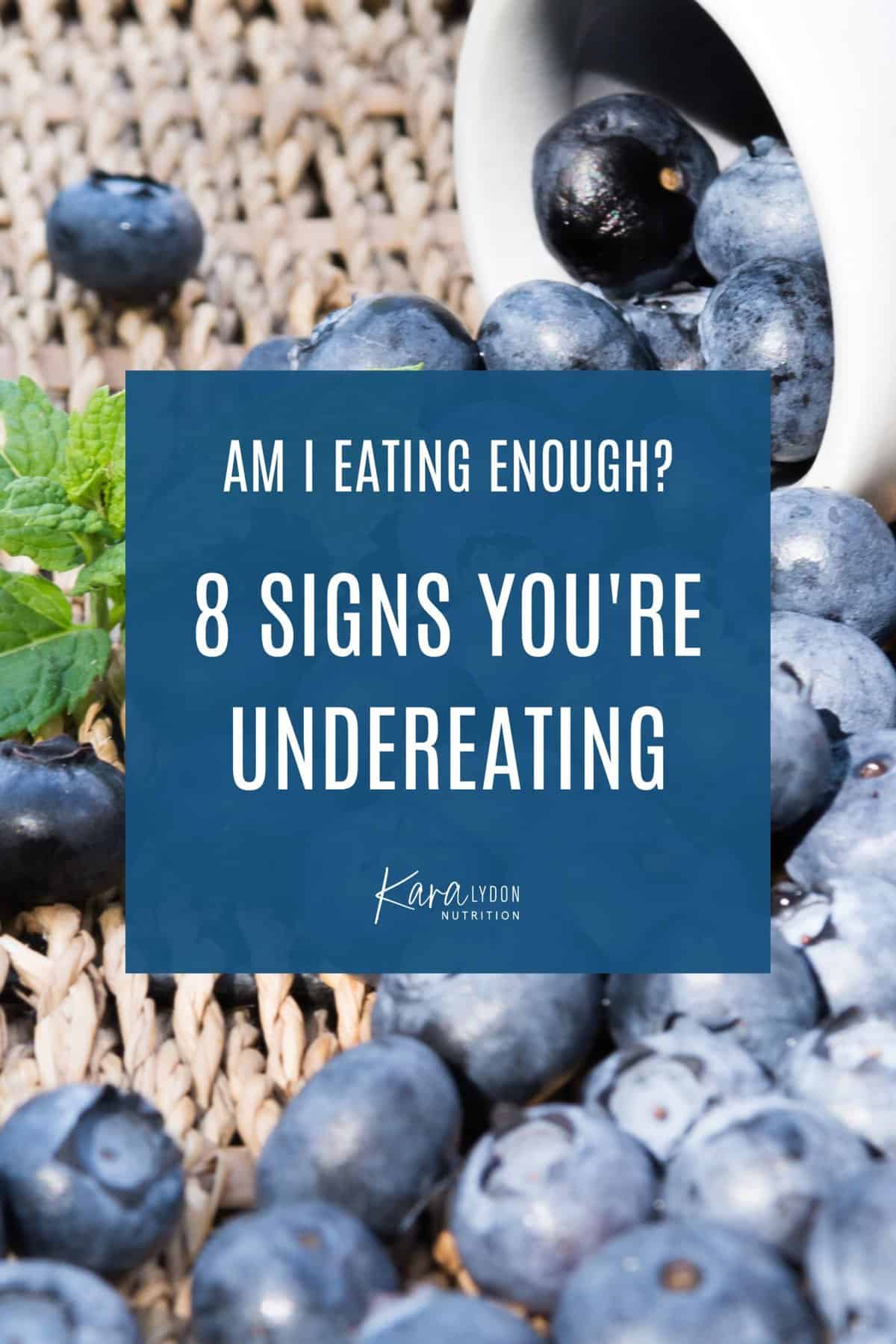
  • Am I Eating Enough? 8 Signs You’re Undereating

    Am I Eating Enough? 8 Signs You’re Undereating

    Ever wonder if you’re eating enough? Sharing 8 signs and symptoms to look out for that might mean you’re undereating.

    We live in a diet-obsessed culture where the primary rhetoric is that we are eating too much and need to “cut back.” But because of this emphasis on restriction, many of us are actually undereating.

    Unfortunately, undereating is glamorized in our society. People are praised for not eating that much and there’s morality wrapped up in it.

    Have you ever heard of (or made) comments like: “Oh, you’re so good for not eating that dessert.” “Oh my gosh I wish I could only order an appetizer for dinner.” “You’re so disciplined for leaving half of your meal to take home.”

    With all of this emphasis on eating less, no wonder so many people are not eating enough! If you’re undereating, I hope you can meet yourself with some compassion. None of this is your fault. You’ve been conditioned to believe that undereating is the healthy choice. That it’s the “good” choice. 

    If you’ve ever wondered if you’re eating enough, read the signs you might be undereating below and remain curious about how these may or may not show up in your life.

    8 Signs and Symptoms You May Experience When Undereating

    1. Irritable Mood

    If you’ve ever experienced “hanger”, you know all about an irritable mood. If you find yourself often feeling cranky, quick to snap, angry, or easily frustrated, your low blood sugar levels may be to blame.

    When you don’t eat enough food or eat often enough, your blood sugar drops, which can elicit these feelings we’ve come to call “hanger.” Research supports this – one study found that greater levels of hunger were associated with greater feelings of anger, frustration, and lower pleasure.

    2. Loss of menstrual cycle

    If you don’t have a regular period, this can be a sign you’re not eating enough. Amenorrhea, the medical term for loss of menstruation, can happen when the body doesn’t have enough energy (from food) to support producing a period.

    You see, the body does a wonderful job at physiologically compensating when it doesn’t receive enough fuel, in an effort to keep you alive. One of these compensatory mechanisms is conserving energy by shutting down “non-essential systems”, i.e. menstruation.

    It’s also important to note that if you’re on a form of birth control and getting a regular period, that doesn’t mean you’re necessarily able to produce a period on your own, as the birth control hormones are essentially producing a period for you. Untreated amenorrhea can also lead to other health issues like infertility and osteoporosis. Struggling to get pregnant can also be a sign of undereating.
    3. Low energy

    If you’re tired all the time and struggle making it through the day, this may be a sign you’re not fueling your body adequately. Feeling low energy may mean you have low energy (aka calorie) intake.

    Calories are quite literally units of energy. If you’re restricting your caloric intake, you’re restricting your energy intake.

    Just as you wouldn’t expect a car to run for a while on little to no fuel, you can’t expect your body to run all day on little to no fuel. If you’re getting enough sleep and you’re still exhausted, chances are you’re just not eating enough.

    If you aren’t sleeping well, this can also be a sign you’re not eating enough. It can be very hard to fall asleep and stay asleep when you’re hungry – research shows that restriction (in those with eating disorders) is associated with fragmented sleep and a reduction in deep sleep cycles.

    4. Dizziness and Lightheadedness

    Dizziness and/or lightheadedness is a symptom of physical hunger, which often shows up if you haven’t honored your hunger cues for a while. If you’re referring to the hunger and fullness scale, you might see these symptoms at a 1 or 2 on the scale, which is considered extreme or painful hunger.

    If you’re noticing these symptoms, ask yourself is it possible this is a sign of physical hunger? Ask yourself how long has it been since I last ate something? You want to be aiming to eat at least every 3-4 hours to support stable blood sugar levels.

    5. You feel cold often.

    Got the chills? But like all the time? It’s one thing to feel chilly when it’s wintertime or you aren’t dressed properly for the temperature outside but if you’re often feeling chilly no matter what the weather and always reaching for a blanket, more layers, or a hot beverage, you might be under fueling.

    Remember when we were talking about amenorrhea and how the body will make certain physiological changes to compensate for a lack of nutrition or energy intake? Well, this is one of those physiological mechanisms.

    Regulating your body’s temperature requires energy in the form of glucose (found in carbohydrates). If you’re not taking in enough energy, your body is not going to waste energy on regulating its temperature.

    6. You’re thinking about food all the time.

    If you can’t stop thinking about food and feel like so much of your mental bandwidth is consumed by thoughts around eating, you’re probably not eating enough.

    There’s actually a peptide in the brain called neuropeptide Y that is released when you don’t consume enough calories. Its role is to make you think about food, specifically carbohydrates, which are our body and brain’s primary source of fuel.

    This is another one of those really smart survival mechanisms your body has in place to help you survive! If you’re not eating enough, your brain is going to remind you that you need to eat!

    7. You’re losing hair.

    Nutritional deficiencies – not getting enough protein, vitamins and minerals can lead to hair loss. Also, when you under eat, your body is going to conserve energy for the organs that matter the most like your heart and lungs, not your skin, nails or hair.

    8. You’re constipated.

    When you don’t eat enough food, you’re not going to have much bulk to produce a bowel movement. Not only that but in an effort to conserve energy, the body slows down your digestion.

    If any of these symptoms resonated with you, and especially if multiple signs resonated, I suggest reaching out to an intuitive eating dietitian who can do a thorough nutrition assessment to make sure you are in fact eating enough. This is one of the most important things we assess for when we meet with new clients in our private practice.

  • Easy Banana Oatmeal Pancakes Recipe

    Easy Banana Oatmeal Pancakes Recipe

    Easy Banana Oatmeal Pancakes Recipe – The Real Food Dietitians


    Privacy & Cookies Policy


  • Mindful Eating: The Raisin Activity and Guided Meditation

    Mindful Eating: The Raisin Activity and Guided Meditation

    Have you ever found yourself reaching for a bag of chips or a candy bar without even realizing it? Or maybe you’ve eaten an entire meal while distracted by your phone or television? Here’s a mindful eating guided meditation.

    It happens to us all! One way to practice mindful eating is through the “raisin” activity, a mindful eating guided meditation that can help you become more mindful of your eating habits.

    Remember that food is so much more than just the physical nourishment for our bodies, it’s also about enjoyment, connection, tradition, social experience, cultural experience, creative expression, and joy! It’s normal for us to experience eating alongside emotions or distraction. 

    Mindful Eating: The Raisin Activity and Guided Meditation

    Many of us struggle with mindless eating or eating without being fully aware of what we’re putting in our bodies. But there is a solution: mindful eating. By practicing mindfulness while eating, we can learn to savor and enjoy our food more fully, build a more balanced and peaceful relationship with food, and even improve our overall health. 

    This exercise is a fantastic way to practice mindful eating and it can be done with any food!

    I learned this practice from my recent training in MBSR (mindfulness-based stress reduction). The raisin activity is a common mindfulness exercise used in the context of mindful eating. While it is not entirely clear who first developed this activity, it is often attributed to Jon Kabat-Zinn, a professor of medicine and the founder of the Mindfulness-Based Stress Reduction program at the University of Massachusetts Medical School. Kabat-Zinn is widely recognized as one of the pioneers of modern mindfulness practice and has contributed significantly to its integration into mainstream medicine and psychology.

    What Is The Raisin Activity?

    The raisin activity is a guided meditation that involves using all of your senses to mindfully eat a single raisin. This exercise is designed to help you slow down, pay attention to your food, and savor every bite.

    Again, if you don’t enjoy raisins or don’t have them on hand, use any food you like and have.

    Here’s how to do the raisin mindful eating meditation: 

    Start by finding a comfortable and quiet place to sit. If you have a special or dedicated meditation space in your home, use this space. Make sure you won’t be disturbed for the next 10-15 minutes.
    Take a few deep breaths and focus your attention on your body. Feel your feet on the ground and your back against the chair. Allow yourself to relax and let go of any tension.
    Take a raisin and hold it in the palm of your hand. Examine the raisin with your eyes, paying attention to its shape, color, and texture. Notice any ridges or wrinkles on the surface.
    Bring the raisin up to your nose and take a deep breath. Notice any scent or aroma that the raisin gives off.
    Slowly place the raisin in your mouth, but don’t chew it yet. Notice the sensation of the raisin on your tongue and the inside of your mouth. Allow it to sit in your mouth for a few seconds.
    Begin to chew the raisin slowly and mindfully, paying attention to the sensation of each chew. Notice the texture and flavor of the raisin.
    Swallow the raisin and notice the sensation of it going down your throat.
    Take a moment to reflect on your experience. How did it feel to eat the raisin mindfully? Did you notice any new sensations or flavors that you wouldn’t have noticed otherwise?

    The raisin activity is a powerful tool for practicing mindful eating. By bringing your full attention to the act of eating, you can cultivate a deeper appreciation for your food and develop a healthier relationship with it.

    Why Practice Mindful Eating?

    There are many benefits to practicing mindful eating. For one, it can help you become more aware of your hunger and fullness cues, allowing you to better regulate your food intake and maintain your unique balanced weight.

    Mindful eating can also help you enjoy your food more fully and reduce feelings of guilt or shame around eating. Additionally, practicing mindful eating can help you become more aware of your emotional triggers around food and develop healthier coping mechanisms.

    Tips for Practicing Mindful Eating

    In addition to the raisin activity, there are many other ways to practice mindful eating. Here are a few tips to get started:

    Eat without distractions: Avoid eating while watching TV, using your phone, or working at your computer. Instead, focus all of your attention on your food.
    Slow down: Take your time while eating, and chew each bite thoroughly. This will help you savor the flavors and textures of your food.
    Pay attention to your body: Check in with your body before, during, and after eating. Notice how those sensations feel in your body with no judgment and a lot of self-compassion.

    Find Freedom & Balanced Nourishment.

    Embrace a Balanced & Peaceful Relationship with Food.

    If you’re looking to develop a healthier relationship with food and transform your eating habits, consider joining our online group coaching program, the Mindful Nutrition Method. Our program is designed to help you cultivate a mindful approach to eating and develop a healthier relationship with food and your body.

    Get the 3-part system that will help you discover your balance, enjoy food fully, and nourish your relationship with food to feel confident, balanced, and at peace. You’ll learn the skills and strategies you need to make lasting changes to your health and well-being. Don’t wait to start your journey towards a healthier, happier you.

  • The Bodyblendz Pink Clay Mask Clears Out Blackheads & Acne

    The Bodyblendz Pink Clay Mask Clears Out Blackheads & Acne

    If you purchase an independently reviewed product or service through a link on our website, STYLECASTER may receive an affiliate commission.

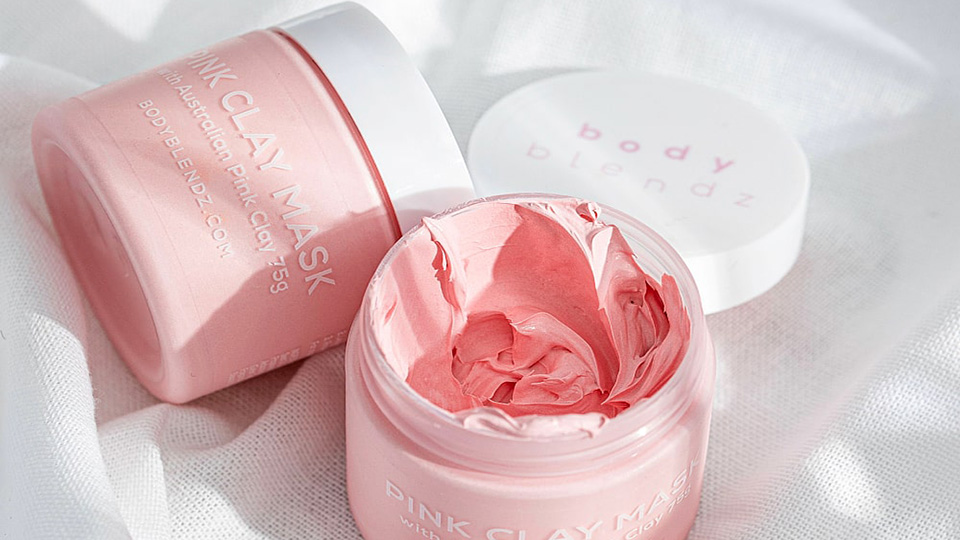
    If you have acne-prone skin, chances are you’ve seen a blackhead (or several) pop up before. A result of clogged hair follicles, dead skin cells and excess oil, the pesky concern is a mild form of acne that can appear almost anywhere across the body—yes, even areas you least expect it. 

    With summer on the horizon, grabbing a face and body mask that tackles blackheads, pigmentation and acne across the chest, arms and legs may be a smart (and confidence-boosting) move. Luckily, fellow shoppers already found the best formula that’s capable of helping these concerns within just a few uses: the Bodyblendz Pink Clay Mask.

    The all-over clay mask is truly a multipurpose treatment; it minimizes discoloration, scarring, dullness and skin texture at the same time. It clears out congested pores, soothes inflammation and irritation and even lifts and firms skin that’s lost elasticity from aging or sun damage. 

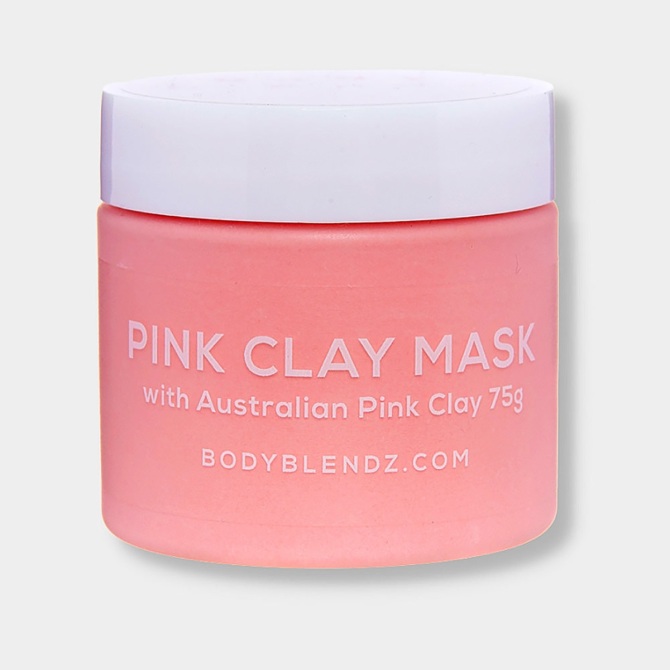
    Bodyblendz Pink Clay Mask

    Bodyblendz

    Bodyblendz Face & Body Pink Clay Mask

    Its blend of ingredients were chosen for a reason. Australian Clay sucks out dirt and oil from deep within the skin—it also is one of the more gentle skin clays out there (meaning it won’t dry out the skin) since it has a low pH and several essential minerals. It’s joined by papaya extract which softly exfoliates for a more even-toned complexion while smoothing out fine lines, lactic acid and witch hazel extract, which help with photoaging and oil production, alongside hydrating shea butter, macadamia oil and vitamin E.

    RELATED: I Reviewed Fenty Beauty Hella Thicc Mascara to Find Out if It’s Worth the Hype

    Reviewers have found it to be the “best mask ever” for effectively clearing out pores, reducing body acne and getting rid of stubborn blackheads. One wrote that they have “no regrets” on purchasing the mask after seeing it leave their skin smoother and brighter with small, red bumps less visible. Another person was equally impressed after the mask left their pores noticeably smaller after the first use.

    “What I love about this mask is that truly does feel like white heads were cleaned out your pores,” shared a third. “After removing the mask, you will feel your skin so smooth and soft. I noticed a difference in the appearance of my pores, especially on my cheeks. Thumbs up!”

    Another wrote, “My skin is super sensitive. Didn’t develop a face rash with this mask, which normally happens for me when I use other skin products. I noticed reduction in my skin pore size and smoothens my skin. I will highly recommend this!”

    Bodyblendz carries several other targeted treatments that will set you on the right path to achieving confident summer skin, including its Booty-specific Clay Mask and Anti-Cellulite lotion.

    StyleCaster Shopping Newsletter Sign Up

  • How To Be More Eco-Friendly

    How To Be More Eco-Friendly

    Besides our home, the workplace is where we spend the most time — and unfortunately, create the most waste. It’s the place where we find ourselves printing out 100-page reports and powering masses of computers. If you’re wondering how to promote recycling and other green practices at work as well as at home, here are sustainability tips for both places.

    How To Be More Eco-Friendly | Did You Know? Eminence Green Facts

    How To Be More Eco-Friendly

    1. Switch Off & Unplug

    Whenever possible, conserve energy by turning off all electrical equipment, including your computer (and monitor) or laptop. It may be best even to unplug all devices, appliances and chargers because these devices still suck energy even when turned off. Pulling the plug might be your best bet.

    2. Green Your Commute

    Walking, biking, working remotely or taking public transport are all methods of reducing your footprint. If you need a car, carpooling is also another option to consider for transportation that’s more eco-friendly. Try out a greener commute, and encourage your colleagues to do the same. You’ll find that it not only helps save the planet and promote environmental well-being, but it also makes you healthier and more active. 

    a woman inserting a light bulb

    3. Energy-Efficient Lights

    Swap your traditional light bulbs for energy-saving lights. Energy-saving light bulbs last up to 12 times as long as standard bulbs, providing the same amount of light quality for far less energy, according to GreenMatch.

    “80% of the energy used to power traditional bulbs is lost in heating energy, whereas LED light bulbs run at 80-90% energy efficiency.” 

    4. Get Smart With Paper

    A green office starts with limiting hard copies and instead using email, presentation screens and phones. If you have to print, select the double-sided option to save paper. And of course, recycle.

    5. Lunch On The Go

    If you’re brown-bagging it to work, try recyclable containers. Our staff loves to reuse jars for snacks and to transport ketchup, salad dressing and other condiments. Other favorites include Lunchskins for sandwiches, metal water bottles for drinks and Lunchbot metal bento boxes for carrying meals to the office.

    6. Don’t Throw Out Wearable Clothes Or Uniforms

    To avoid contributing to the millions of tons of textile waste per year, make easy alterations and repairs to clothes or workplace uniforms to keep them for as long as possible. Fast fashion and online shopping has made the temptation to throw out and replace addictive, but once clothes are in landfill, they take hundreds of years to decompose and they emit greenhouse gases (GHG) while doing so, according to GreenMatch. Another way you can stop the cycle is by donating what you don’t wear. Consider giving away clothes you never reach for — you never know who else will appreciate it.

    7. Donations (Buy And Sell)

    If you pass on items you no longer need and purchase new items secondhand, the earth will thank you. Donate and buy or sell used items such as:
    Office furniture, appliances and equipment
    Electronics like cell phones and cameras, earbuds and computer equipment
    Stationery
    Canned food and unwanted boxes

    8. Composting

    Composting helps reduce food wastage because you can throw leftover scraps in your compost bin. Set up a composter in your outdoor office space or in the corner of your garden. Consider composting food scraps, coffee grounds, grass, newspaper, wood chippings, cardboard and even sawdust. 

    Did You Know? Eminence Green Facts

    Fact 1: Our most popular green initiative is called Forests for the Future™, which is our commitment to helping heal the planet through eco-friendly projects. We plant a tree for every Eminence retail product sold and to date, we have planted over 23 million trees around the globe.

    Fact 2: Our packing chips are made of 100% biodegradable corn that dissolves in water – try it! Just drop a few packing peanuts into a glass of water, stir and watch them dissolve. Additional pieces of our packaging are made from post-consumer recycled material, printed on Forest Sustainability Council-Certified paper with eco-friendly inks and are recyclable.

    Fact 3: We have received our Demeter certification. Demeter is a non-profit organization that serves as the authorized certifying entity for Biodynamic® ingredients, encompassing farming, manufacturing and labeling. The certification standards for Biodynamic products are exceptionally stringent, where the raw materials must be certified by the Demeter Association and the product must contain the requisite percentage of Demeter Certified Biodynamic® ingredients. Moreover, all packaging must be devoid of preservatives, fungicides, insecticides, and fumigants. Our Beyond Organic Collection is composed of formulations that feature ingredients sourced from Demeter International Certified Biodynamic® farms, as well as certified Biodynamic products like our Facial Recovery Oil.

    Fact 4: We hold a B Corp™ certification. Evaluated by the nonprofit, B-Lab, this certification means that we meet the highest standards of environmental performance, transparency and accountability. 

    We’re inspired daily by the creative ways that others take action to make our planet a happier and healthier place. We’re also extremely proud to say that our business partners, loyal spa partners and Eminence Organics’ fans are all doing their part for the green movement with a more eco-friendly lifestyle. 

    Interested in finding a Green Spa for your next Eminence spa treatment? Find a spa near you.
  • Skin Flooding Is a TikTok Trend Actually Worth Trying—Here’s Why

    Skin Flooding Is a TikTok Trend Actually Worth Trying—Here’s Why

     If it feels like you’ve tried every moisturizer and thick cream under the sun but your skin still feels dry or tight, one newly trending skincare trick might be the key. TikTok skincare trends admittedly don’t always knock it out of the park, but I think the recent hype around “skin flooding” is well deserved! While it’s not a new idea, skin flooding has repackaged a fundamental skincare concept and helped it reach a wider audience (something I’m all for).

    Given this, it’s no surprise that people of varying ages and skin types are praising this easy skincare trick as a great way to provide gentle hydration. The best part? You probably already have everything you need to try this trend in your medicine cabinet. Let’s talk about the benefits of skin flooding and how to go about it for optimal results. 

    What Is Skin Flooding, and Why Should I Try It?

    Skin flooding is the process of layering multiple hydrating products in a specific order to maximize hydration. When we layer products from thinnest (water-based) to thickest (oil based), we are providing a deeper, longer-lasting level of hydration to the skin.

    The reason I think this “trend” is so universal is simple: every skin type needs water to be healthy. Skin cells are like fish, and need water to live—even if you have oily skin! People often get confused about the difference between dehydration (a lack of water) and dryness (a lack of oil). While how much oil your skin produces is determined mainly by age and genetics, dehydration is a temporary condition anyone can experience. Skin flooding is the antidote.

    Many people think drinking water will hydrate their skin, but the only way to address dehydration in the skin is with topical products.

    What Are The Benefits?

    The greatest benefit of skin flooding is that it gets hydration into the deeper layers of your skin and keeps it there.

    By layering your products from thinnest to thickest, the products with the smallest molecules are going on first (the smaller the molecules, the deeper they penetrate!). This maximizes their efficacy, delivering hydration on a deeper level. Skin flooding immerses all layers of the skin with moisture, helping retain water and keep the skin hydrated. Don’t forget to seal it all in with moisturizer so your hydration is locked in all day or night! By finishing your skincare routine with a thick moisturizer, you help maximize hydration by trapping water in the outermost layer of the skin. 

    How Does Skin Flooding Work?

    Skin flooding is simple—it’s all about applying your products in the correct order.

    Step 1: Start With Clean Skin, and Don’t Wait Too Long

    The first step in skin flooding is to start with clean, damp skin. This is something I call the Golden Minute Rule. It’s a critical part of my skincare routine, whether skin flooding or not. All this means is that your first product should be applied within a minute of cleansing.

    This helps prevent your skin from losing water through a process called transepidermal water loss. During this process, water evaporates from your skin into the air, which can actually cause more dehydration. Immediate application of skincare products after cleansing will allow deeper penetration and guarantee dewy, hydrated skin.

    Step 2: Apply Alcohol-Free Toner

    Next up, apply an alcohol-free toner. Toner is the perfect product for skin flooding because it’s like giving the skin an instant drink of hydration right after cleansing. For those with particularly parched skin, try applying several layers of toner to really infuse the skin with moisture. Simply wait for each layer to dry down a little bit and repeat the process three to five times.

    If you’re still not convinced, check out five reasons to use a toner in your skincare routine.

    Step 3: Apply a Serum With Hydrating Ingredients

    Next up, a serum. Serums tend to be water-based so they can penetrate deeper into the skin, so a lot of them contain hydrating ingredients by nature. Look for ingredients like hyaluronic acid, glycerin, niacinamide, and tremella fuciformis.

    Step 4: Finish With a Moisturizer For Your Skin Type

    This last step is key, because without it all that water-based hydration you just pumped into your skin will evaporate. Moisturizer acts like a seal to keep all the goodness in. Lock it all in with a barrier-protecting moisturizer or cream packed with ceramides and emollients, like Hydraboost Rescue Creme.

    Who Can Try Skin Flooding?

    I encourage all of the 9 skin types to try skin flooding! While those with dry, sensitive skin will benefit the most, especially during the harsh winter months, everyone can profit from deeper hydration. As I said, all skin types need water to be healthy. In fact, one reason I like it for acne-prone skin types is that it relies on layering multiple thin, lightweight products. This is way friendlier for those who are prone to clogged pores than slathering on a thicker moisturizer in hopes of battling dehydration or dryness. (Speaking of which, here are five ways to hydrate oily, acne-prone skin.)

    Skin flooding is safe and has virtually no downsides—what are you waiting for?

    Curious how other TikTok trends stack up to skin flooding? Read about slugging (and why it’s not suitable for everyone).

Crypto Casino
Padişahbet Giriş
new online casino
Padişahbet
Padişahbet Güncel Giriş
Padişahbet Giriş