Blog

  • How To Stop Emotionally Eating

    How To Stop Emotionally Eating

    Looking to finally stop emotionally eating? Keep reading to learn 4 easy tips you can implement today. 

    Emotions and food are so intertwined. Our feelings impact what we want to eat, what we don’t want to eat, as well as how much we eat. To a certain degree, this is completely normal and completely harmless. But sometimes, emotional eating can get a bit out of hand. 

    If you’re unable to control yourself when you’re emotional and around food, there are some quick tips you can implement that will significantly reduce these instances. It’s all about awareness, mindfulness, and intentional action. Let’s get into it!

    What is Emotional Eating? 

    In order to stop emotionally eating, we have to get to know what it really means to emotionally eat. At its core, emotional eating happens when food is used to cope with emotions, as opposed to being used to satisfy hunger. This means you’re using food as a form of comfort, even when you’re not hungry or in need of more energy. It’s often a form of mindless eating. Over time, this can create an imbalanced, confusing relationship with food. 

    What we’re not talking about here is when emotions have a slight impact on your food choices. Maybe you have a certain comfort food you enjoy having when you’re sad, or certain foods you like to enjoy when you’re excited. These scenarios don’t call for any intervention, as long as they’re done mindfully, intentionally, and generally in the presence of physical hunger. 

    Our goal isn’t to completely separate food from emotion, that’s no fun at all! But instead, ensure your emotions are only impacting your eating habits in a positive, balanced way. By learning how to create this relationship, you can learn to stop emotionally eating.   

    4 Tips to Stop Emotionally Eating 

    Here are my top 4 tips to stop emotionally eating. Start with the first one, then slowly but surely make your way through to implement them all!

    Address Emotions Head On

    This is the most important tip. Emotional eating often takes place when emotions and stressors are left unaddressed. In order to stop emotionally eating, we need to address our emotions as they arise.

    Sometimes this is fairly easy. Maybe you’re feeling a little overwhelmed by this week’s workload and you’re finding yourself turning to food for comfort. In this scenario, you really only need to learn how to cope with the temporary stress of work and implement some systems to help you do so. 

    Other times, it takes a bit more work. Some emotions are deep-rooted, and may not be easily addressed on your own. In this case, therapy and counseling can work wonders. Working with someone to help cope with emotions can have a significant positive impact on your relationship with food when emotional eating is taking place.

    If you address difficult emotions as they arise, and work through deep-rooted emotions from your past, you’ll give yourself the opportunity to stop emotionally eating. 

    Implement Intentional Emotion Check-ins 

    In order to be proactive about addressing your emotions, it can be really helpful to implement intentional emotional check-ins. It may sound silly, but this type of proactive action makes it much easier to remain mindful on a daily basis. 

    If you struggle to identify emotions on the regular, try setting a particular time of day where you take a moment to pause and reflect. Ask yourself questions like, “How do I feel right now?”, “How have I felt today?”, and “What can I do to cope with these emotions?”. Simply bringing awareness to your emotions can make a world of a difference. That way you’re less likely to reach for food mindlessly and unintentionally. Over time, you’ll then be able to stop emotionally eating. 

    Reacquaint Yourself with Hunger and Satiety 

    Emotional eating also takes place when we don’t fully know how to decipher or interpret our hunger and satiety cues. These are the cues our body uses to tell us when we’re hungry and when we’re full. If we don’t understand them, it’s much easier to emotionally eat in the absence of hunger. 

    To reacquaint yourself with your hunger and satiety, start by reflecting on it before and after meals. As you’re sitting down to a meal, how do you feel? Do you physically feel hunger? What does it feel like? If not, what does satiety feel like? How do you know that you’re not really hungry?

    That way, the next time you’re reaching for food in the absence of hunger in response to an emotion, you can conduct a quick check-in. That quick check-in will soon become a habit, and you’ll be able to stop emotionally eating.

    Get to Know Your Triggers

    While it is possible to have all heightened emotions cause emotional eating, in my experience, this often isn’t the case. Individuals usually have certain emotional triggers that lead them to emotionally eat. Whether it’s a certain person that makes them feel a certain way, or a particular situation or feeling. 

    Take some time to reflect on the instances when you found yourself emotionally eating. Try and think through the common denomenators. What kind of emotion were you experiencing? Are there any common environments or people involved in these scenarios? 

    Once you’ve identified your possible triggers, you can start to prepare yourself. The next time you find yourself feeling said emotion, you’ll be that much more aware of it and can work to mindfully stop emotionally eating. 

    The Takeaway

    Learning to stop emotional eating takes time, reflection, and mindfulness. Don’t forget to be compassionate with yourself as you’re trying to stop emotionally eating! Remember that you’re only human and change doesn’t take place overnight. 

    Do You Want to Experience More Balance with your Food Choices?

    Then find your balanced eating type!

    Take this 45-second free quiz to find out which balanced eating archetype you are, and what your unique type needs to maintain balance with the way you nourish yourself. That way, you can finally be free from food and diet obsession, maintain a balanced weight, and cultivate a positive relationship with food and your body. 

    Take The Free Quiz Now
  • This Medix 5.5 Retinol Body Cream Leaves Skin ‘Soft, Supple, & Lifted’

    This Medix 5.5 Retinol Body Cream Leaves Skin ‘Soft, Supple, & Lifted’

    If you purchase an independently reviewed product or service through a link on our website, STYLECASTER may receive an affiliate commission.

    If you’re using retinol on your face but not your body, we need to talk. While transforming skin with retinol is mostly left up to the visage, next-level body care is getting yourself a lotion with retinol in it. Vitamin A is my best skin care friend, so I make sure that all of my skin is covered in it. And to remind you to always use your retinol, take note that plenty of shoppers recommend the product below. And since it’s on sale at Amazon
    now’s your time to stock up.

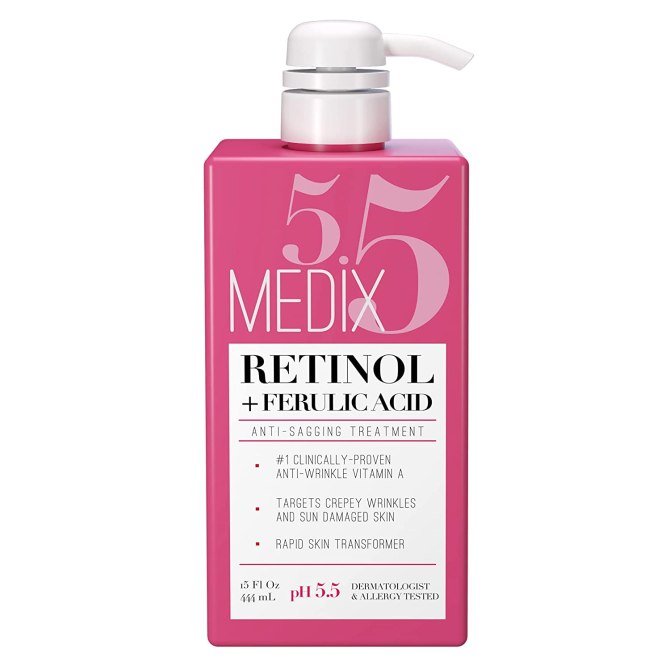
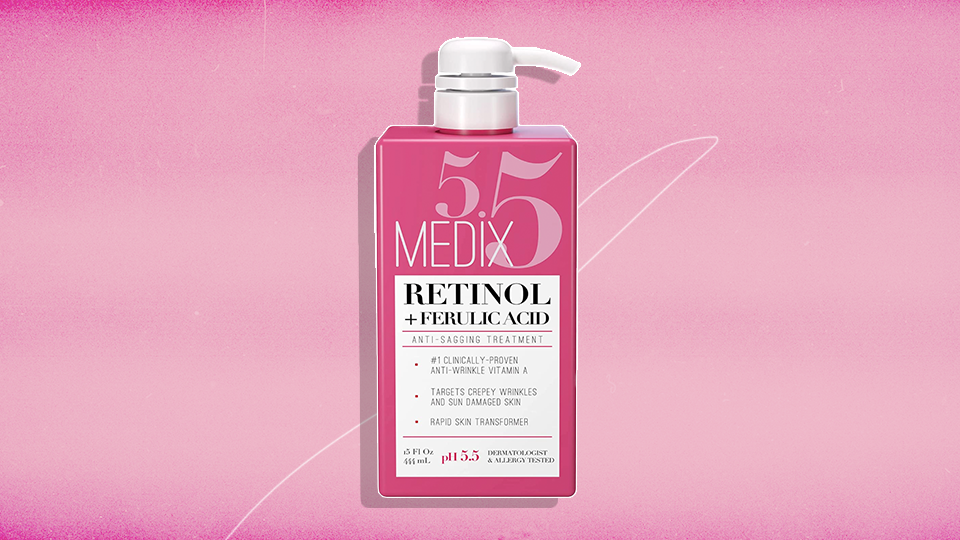
    Medix 5.5’s Retinol Cream
    combines anti-aging ingredients with natural antioxidants to help decrease the look of wrinkles and fine lines, while natural ferulic acid targets sun-damaged skin. This well-reviewed body care product (it’s up to almost 30,000 reviews on Amazon—and counting) quickly transforms skin and brings life back to you. You can also use it on your face if you don’t already have retinol in your skincare routine. Bonus points for the chamomile and botanimoist AMS, which helps increase your skin’s hydration by almost 88 percent. Your skin will feel hydrated and moisturized, on top of feeling oh-so-smooth.

    body cream

    Courtesy of Medix.

    Medix 5.5 Retinol Body Lotion Moisturizer Face & Body Cream

    This Medix 5.5 Retinol Body Lotion Moisturizer Face & Body Cream
    is a great moisturizer for skin that feels crepey, wrinkles, sagging skin and sun damage. It’s vegan and cruelty-free, so it’s not tested on animals.

    Reviewers love and rave about this body lotion
    , claiming that it erases the appearance of crepey skin almost immediately.

    One user said, “In the past two years, the back of my hands had developed crepey dried skin that looked like shiny cracked earth. It was very noticeable. Although I am 63, my face and body look 20 years younger but my crepey hands look at least 10 years older! I wore moisturizing gloves with lotion on at bedtime but not much improvement had shown. I purchased Medix. The first three days I was able to see drastic improvement. A week later my skin had gotten so smooth there was no traces of crepey skin at all. Thank you, Medix! I shall recommend this product to all my friends and family.”

    Grab it while it’s still down to $14 at Amazon.

    StyleCaster Shopping Newsletter Sign Up

  • A Morning Skin Care Routine For Every Skin Type

    A Morning Skin Care Routine For Every Skin Type

    If you believe that breakfast is the most important meal of the day, you already know what you do in the morning counts. Skin care is no different. Thankfully, if you have a jam-packed start to the day, your morning skin routine doesn’t have to be complicated. Instead, discover how easy it is to complete a simple skin care routine tailored for your skin type, all while your first cup of coffee brews.

    Why Do You Need A Morning Skin Care Routine? | 4-Step Morning Routine | For Dry Skin | For Normal Skin | For Oily Skin | For Combination Skin | For Sensitive Skin | For All Skin Types | Esthetician’s Morning Routine

    Why Do You Need A Morning Skin Care Routine?

    An effective morning skin care routine removes dirt or oil that may have settled on the face through the night. It also preps the skin and creates a healthy skin barrier to protect you from any environmental stressors during the day ahead. Stressors include pollution, blue light and UV exposure. You’ll also want to choose products that replenish and strengthen the skin throughout the day. Keep reading to find out our recommended morning skin care routine for each skin type, as well as our esthetician’s must-have products for her morning routine. 

    4-Step Morning Skin Care Routine

    Before we dive into product recommendations for each skin type, here are the foundational four steps to follow.

    Step 1: Cleansing

    Using clean hands, start your morning by cleansing the skin. The best morning cleansers work to remove any dirt (especially anything that has transferred to your face from your pillowcase), sweat, residual makeup or skin care from the night before. You can select from an oil, gel, balm or cream cleanser depending on your skin concerns and skin type. 

    Step 2: Toner

    There are many reasons to use a morning toner. Toners offer replenishing benefits and add a barrier of protection and hydration throughout the day. Depending on your skin, you might choose one that increases hydration, reduces oil or removes dead skin. 

    To use, apply the toner to a cotton pad to the face, lightly sweeping it across the skin. Alternatively, you can spritz your toner directly onto the skin. When selecting a toner, avoid a product with a high alcohol percentage that can irritate or dry out your skin. Instead, look for a toner with soothing ingredients that address your skin’s needs. 

    Step 3: Moisturize

    Seal the deal on your morning routine with a moisturizer to smooth the skin and protect the skin barrier. A strong skin barrier protects the skin from bacteria and other nasties that can lead to breakouts, dryness or irritation. The moisturizer you choose should also align with your skin type. For example, a dryer skin type might opt for a thick cream-based moisturizer that adds hydration, while an oily skin type may prefer a gel-based moisturizer that will hydrate without adding bulk or oil.

    Step 4: SPF

    The final step is applying an SPF to protect your face for the first few hours of the day. Ideally, reapply every few hours to continue to protect your skin from sun damage. Sweat, weather, touching your face, or even using your phone can all contribute to sunscreen losing its efficacy throughout your day. This step is key, even if you’re working inside (the sun’s UV rays can get through windows!) or if the weather is looking cloudy. Sunscreen is the best defense against the aging effects of the sun and using it regularly can lower your risk of skin cancer. According to the American Cancer Society, look for a broad-spectrum sunscreen that can protect you from UVA and UVB rays and aim for one that is at least SPF 30. We recommend reviewing our range of SPF moisturizers and sunscreens found here. 

    Morning Skin Care Routines For Every Skin Type 

    Morning Skin Routine For Dry Skin

    Step 1: Cleanse and rehydrate your skin with the Firm Skin Acai Cleanser.

    Step 2: As a further hydrating layer, follow with the refreshing Neroli Age Corrective Hydrating Mist.

    Step 3: Apply the Coconut Age Corrective Moisturizer to lock in moisture and provide hydration throughout the day.

    Step 4: Use an SPF to shield yourself from harmful UV rays. We love the Tropical Vanilla Day Cream SPF 40 for skin in need of hydration. 

    Morning Skin Routine For Normal Skin

    Step 1: Cleanse with the Stone Crop Gel Wash to remove any buildup, dirt or sweat from the night before.

    Step 2: Follow with the replenishing Stone Crop Hydrating Mist to leave your skin feeling dewy and refreshed.

    Step 3: Apply the Stone Crop Whip Moisturizer for the hydrating benefits of stone crop.

    Step 4: Normal skin will benefit from Lilikoi Daily Defense Moisturizer SPF 40 which improves the look of skin exposed to blue light stress and pollution.

    Morning Skin Routine For Oily Skin

    Step 1: Use a gel-based cleanser such as the Citrus Exfoliating Wash to remove any oil or dirt that has built up overnight.

    Step 2: Spritz with the Lime Refresh Tonique to add a boost of green tea and Vitamin C. These ingredients encourage a more youthful-looking complexion for oily skin. 

    Step 3: Use the lightly moisturizing Strawberry Rhubarb Hyaluronic Hydrator, which provides hydration and leaves a fresh strawberry scent.

    Step 4: Apply an SPF to protect your skin from the sun. The Red Currant Protective Moisturizer SPF 40 protects and mattifies oily skin to keep the shine in check.

    Morning Skin Routine For Combination Skin

    Step 1: Cleanse with the Mangosteen Daily Resurfacing Cleanser to remove any surface buildup.

    Step 2: Follow with the antioxidant-rich Mangosteen Revitalizing Mist.

    Step 3: Finish with the hydrating but lightly moisturizing Mangosteen Gel Moisturizer.

    Step 4: Use an SPF to defend your complexion from harmful UV rays. The Bright Skin Moisturizer SPF 40 balances both dryness and oil while brightening up the appearance of dark spots. 

    Morning Skin Routine for Sensitive Skin

    Step 1: Begin your routine with the Lemon Grass Cleanser to refresh and cleanse the skin.

    Step 2: Spritz with the Hawthorn Tonique. With hawthorn, chamomile and marjoram, this tonique helps the skin look calm.

    Step 3: Apply a layer of Apricot Calendula Nourishing Cream to soften and smooth the skin without the risk of irritation. 

    Step 4: Protect your skin from the sun by applying an SPF daily. Reduce dry patches with a replenishing SPF like our Tropical Vanilla Day Cream SPF 40.

    Morning Skin Care Routine For All Skin Types

    Step 1: Start your routine by cleansing with the Kombucha Microbiome Foaming Cleanser, a cleanser that balances the microbiome and reveals a healthy-looking glow. 

    Step 2: Follow with a spritz of the Neroli Age Corrective Hydrating Mist. Neroli oil provides refreshing and hydrating benefits. 

    Step 3: Moisturize with the replenishing Arctic Berry Peptide Radiance Cream. This cream is formulated to reveal radiant-looking skin with our Peptide Illuminating Complex, an antioxidant-rich combination of yellow plum extract, gardenia and hibiscus seed botanical peptides. 

    Step 4: Use an SPF to block your skin from the sun’s radiation. There are many great options, but with its blue-light protection, the Lilikoi Daily Defense Moisturizer SPF 40 is ideal for all skin types.  

    An Esthetician’s Morning Skin Care Routine

    Our Lead Skin Care Trainer, Natalie Pergar, is ready to pull back the curtain and unveil her own morning skin care routine. Watch Natalie as she discusses her favorite natural products that she uses daily. 

    Do you have any favorite products in your morning routine? We’d love to hear about them. Let us know in the comments below or on our social media.

  • What Does It Mean When Skincare Products Sting?

    What Does It Mean When Skincare Products Sting?

    With so many skincare products these days containing potent and effective active ingredients, you might notice a tingling or stinging sensation when they’re applied. Is this a good thing? Does it mean the products are working effectively? Or, is this bad for your skin? In this post, I’ll explain how to know if the sensation you’re feeling from a skincare product is normal. 

    Which Sensations Are Considered Okay? How Much is Too Much? 

    A tingling or stinging sensation happens due to an inflammatory reaction to a skincare product. The face has nerve fibers that are close to the skin’s surface and when certain ingredients are applied, they can activate those nerve fibers. Since there are also blood vessels that are close to the surface of the skin, this inflammatory response can also lead to redness or a warm feeling.

    In some cases, this is considered normal. In others, it means a product doesn’t agree with your skin and is a sign to stop using it.

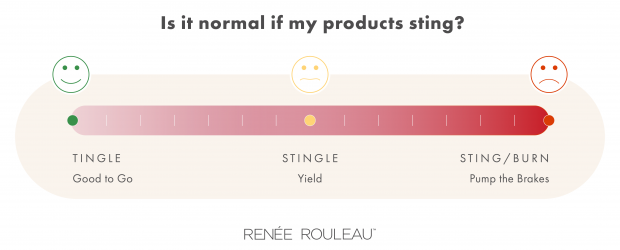
    But how do you know what’s okay and what isn’t? When I worked with clients at my spa and gave them professional chemical peels (which can get pretty spicy), I would always ask them to describe what they were feeling on a scale of 0-10. You can think of it in those terms, but since a 10 might be different for everyone, I like to break the sensations down into three basic categories: tingle, stingle, and sting/burn. Here’s the lowdown on each.

    stinging scale for skincare

    1. Tingle

    A tingle is the mildest of the sensations. It’s a slight sensation that dissipates quickly (usually within a minute. You can feel something happening, but it resolves without any visible redness.

    If all you feel is a tingle, you’re more than likely good to go. This is considered normal with certain ingredients, and it could also be an indication that your moisture barrier is a little delicate at the moment. 

    2. Stingle

    This is a little more intense than the tingle level. It’s a mild prickling sensation that will go away on its own but may take up to two minutes to do so. The skin may look slightly pink and flushed or feel warm. 

    If you feel a stingle, you’re probably in the clear, but take stock before you keep going. Again, this is considered normal with certain products, and if it goes away within a couple of minutes, you’re fine. If it lasts longer or you’re feeling it frequently, it could mean your moisture barrier is compromised and needs some TLC. Those with sensitive skin (like Skin Types 3, 4, and 5) should pay extra attention to a stingle. It could mean you need to be a little careful with that product and use it less often or switch to a lower strength.

    3. Sting/Burn

    This is the most intense level and usually continues for a long while When skincare products sting, you’ll feel it a lot. If it continues for more than a minute, you’ll likely enter the burning-feeling phase (not good!). Stinging and burning are often accompanied by red or hot-feeling skin.

    When a product causes this reaction at home, it’s a clear sign to stop and wash the product off. I would say the only exceptions are prescriptions or clinical-grade products given to you by a professional with specific usage instructions. The other time would be if you’re getting a professional treatment (like a chemical peel) from an esthetician or dermatologist. Since these usually work on deeper layers of the skin than at-home products, they tend to cause more intense sensations and are sometimes even designed to create a little damage to stimulate a healing response.

    If this happens, here are 9 ways to soothe irritation fast.

    When Is It Good to Feel a Sensation, Like Tingling or Stingling?

    Whether or not you should be feeling a sensation ultimately hinges on the type of product you’re using. It’s normal to feel something if…

    The product contains ingredients that lower your skin’s pH The product includes stimulating, energizing ingredients 

    Common Ingredients That Can Cause Tingling or Stingling

    Exfoliating Acids

    This includes AHAs like glycolic, lactic, and mandelic acids, BHAs like salicylic acid, and even PHAs. Some acids, like glycolic acid, have a smaller molecule size than others. This means they can penetrate more deeply and may be more likely to cause tingling. Learn more about the different types of exfoliating acids.

    Exfoliating Enzymes

    While these don’t work by altering the skin’s pH, it’s still considered normal for them to create a sensation. This includes ingredients like bromelain and papain. 

    L-ascorbic Acid

    This is one of the most common forms of vitamin C and can cause tingling or stingling thanks to its low pH. (This is why I prefer to formulate with gentler, yet equally effective, forms of vitamin C like tetrahexyldecyl ascorbate.)

    Citric Acid

    Like L-ascorbic acid, citric acid has a low pH and can cause a prickling sensation.

    Stimulating Ingredients

    These are ingredients meant to stimulate blood flow and revive dull skin, and they include peppermint or menthol, ginseng, and cyanocobalamin (vitamin B12).

    *NOTE: If you use a product with one of these ingredients and you don’t feel a sensation, this does not mean the product isn’t working. Since everyone’s skin is different, everyone will experience these ingredients differently, but more on that later. 

    When is It Bad to Feel a Sensation?

    For the most part, if you’re not using a product with any of the ingredients listed above, you don’t want to be feeling much of a sensation from your skincare products at all. Even a stingle could indicate that a product isn’t the right fit for you. 

    If you’re persistently feeling tingling or stingling without using the ingredients listed above, it could mean your skin’s moisture barrier is out of whack. When your barrier is compromised, products and ingredients that wouldn’t normally cause an issue can suddenly start to tingle or sting. This is because there are cracks in your protective barrier, which exposes your nerve endings and makes you feel super sensitive.  It’s kind of like putting something on broken skin—it stings when it wouldn’t normally. You should still avoid ingredients that sting until you’ve restored your barrier, but it doesn’t mean you have to swear those products off for good! Just try adding them back in one by one once your skin is less sensitive. Learn more about possible reasons for a compromised barrier and how to fix it

    Aside from a damaged barrier, these are the most likely reasons a product will cause a negative sensation: 

    The product includes irritants, like high amounts of fragrance or essential oilsThe product includes high amounts of drying alcoholsThe product includes an ingredient to which you have an allergy or sensitivity

    My Exfoliating Acid Serum Used to Sting, But Now It Doesn’t. Does This Mean It’s Not Working Anymore?

    Many people will notice a stingle or a sting when they first start using exfoliating acids. This is completely expected. After a while, though, this can go away. Why? Because exfoliating acids actually improve lipid production to repair the skin barrier (cool, right?). As the barrier becomes stronger, less of a sting will be felt.

    The problem is that some people associate stinging with efficacy. It’s the “no pain, no gain” mentality. If you keep trying to chase the sting by moving up to a higher percentage of acids, you could cause damage to your skin by keeping it in a state of inflammation. The goal is for you not to experience much of a tingle, stingle, or sting at all!

    Bottom Line

    Today, there are more advanced skincare products available than ever. Things once used by professionals are available to customers at home, so it’s more important than ever to monitor your skin and know when it’s telling you to pump the brakes. We don’t want to fall into the no pain no gain philosophy! It’s crucial to know your baseline and be able to make distinctions for yourself. A sensation isn’t automatically bad, but constantly putting your skin in a state of inflammation is a recipe for disaster.

    Next, read about the four different types of skin sensitivity.

  • 8 Simple Ways Women Can Move More While At Home

    8 Simple Ways Women Can Move More While At Home

    by Caitlin H,

    Jan 16, 2023

    You’ve heard it before, and a host of continuing scientific research will ensure you listen to it again. Physical activity is crucial to controlling your weight, obtaining healthful benefits, and expanding your lifespan.

    A recent study from the University of California — San Diego researchers found that both light and moderate or vigorous physical activity was associated with a lower risk of death for women. The study followed 5,446 women ages 63 and older from 2012 to 2020 to measure their risk of dying. It found that even if a woman’s genes show it’s unlikely she’ll live long, she can expand her life by participating in daily activity of any intensity.

    “You do not need to have a specific exercise program to stay fit,” said Dr. Gabe Mirkin — a fitness guru, longtime radio host, and sports medicine doctor with more than 50 years of practice — in a recent blog post. “You just need to keep on moving for a large part of each day.”

    That’s good news if you’re not a big fan of what we traditionally associate with exercise, such as gyms, fitness classes, or running.

    And that’s also why we’re sharing eight ways women can move more all day long. (Men, you can do these things, too!) Build these things into your daily routine, and science shows you’ll reap the health benefits and potentially expand your life!


    1) Make Your Bed.


    While making your bed every morning may seem cumbersome, it’s an excellent way to start your day with a bit of pep in your step. Plus, there’s nothing better than pulling down a crisply made bed at the end of a long day and hopping between crisp, straightened sheets!


    2) Do Some Light Cleaning.


    Are dishes piling up in the sink? Is clutter piling up? Do carpets need some refreshing? Look for excuses to do light housework throughout the day. You can do anything from wiping down the counters, dusting, putting away things that have been left out, and vacuuming. Any light cleaning helps get your body moving!


    3) Go for a Walk.


    There really is something nice and refreshing about getting outside and enjoying the fresh air and sunshine. Weather permitting, go outside daily and stroll around the block or down a nearby trail. Even one 20-minute walk a day can make all the difference in your mental and physical health!


    4) Deep Clean the Kitchen.


    When was the last time you went through the food in your fridge and got rid of anything expired? How about the pantry? There’s no need to do it all at once! Instead, spend a few minutes every day going through one or two shelves in the pantries, cabinets, and fridge to organize them and eliminate old (or unhealthy!) food, broken, unused dishes, etc. 


    5) Walk Up and Down the Stairs.


    Who needs a stepmill? If you have stairs at home, take 20 minutes daily and walk up and down them. It’s an easy way to get your heart rate up, target your leg muscles, and do some of that light activity!


    6) Dance After Each Episode.


    You likely spend the evening lounging on the couch, watching your favorite TV show on a streaming app. And that’s more than okay! One fun way to build movement into your evenings is by getting up and spending 5 minutes dancing at the end of each episode. It may sound ridiculous, but it’s a fun way to get the blood flowing and make the evening more enjoyable.


    7) Walk During Meetings.


    If you’re on a phone call or you don’t have to have your camera on during a video meeting, make the most of it by pacing around the house! Those extra steps can add up. Plus, you may even find your mind is a bit sharper when you’re keeping things moving. 


    8) Play With a Pet.


    If you have a dog or a cat, spend some time each evening playing with them. Throw a stuffed animal or lightweight ball for the dog. Pull a string for the cat. Simply playing with pets is a natural way to get your heart rate up and improve their lives!


    ————————————————————————————


    Author: Caitlin H
    Diet-to-Go Community Manager

    Caitlin is the Diet-to-Go community manager and an avid runner. She is passionate about engaging with others online and maintaining a healthy, active lifestyle. She believes moderation is key, and people will have the most weight loss success if they engage in common-sense healthy eating and fitness.


    Exercise Tips

  • Almond Butter Protein Balls | Kara Lydon

    Almond Butter Protein Balls | Kara Lydon

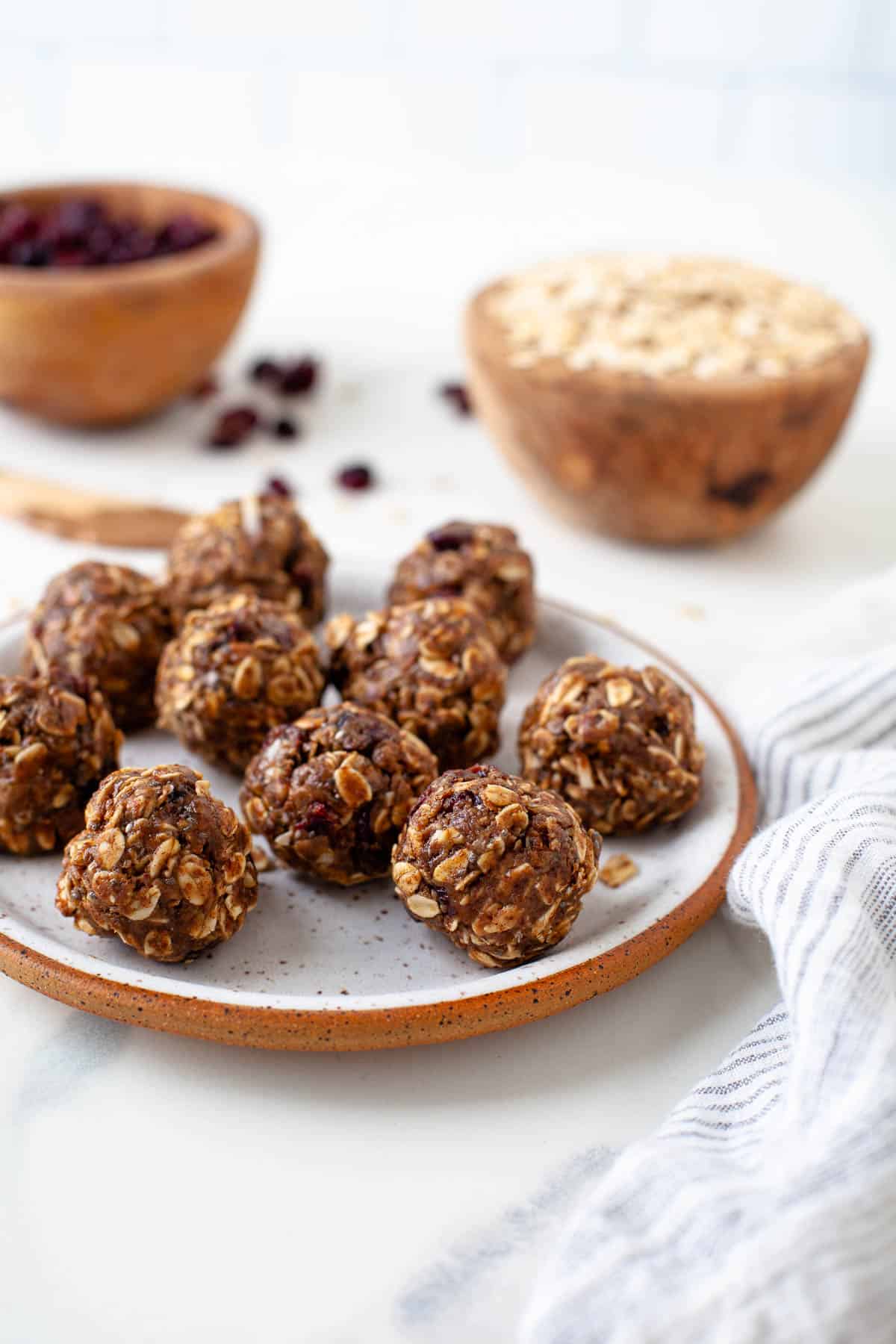
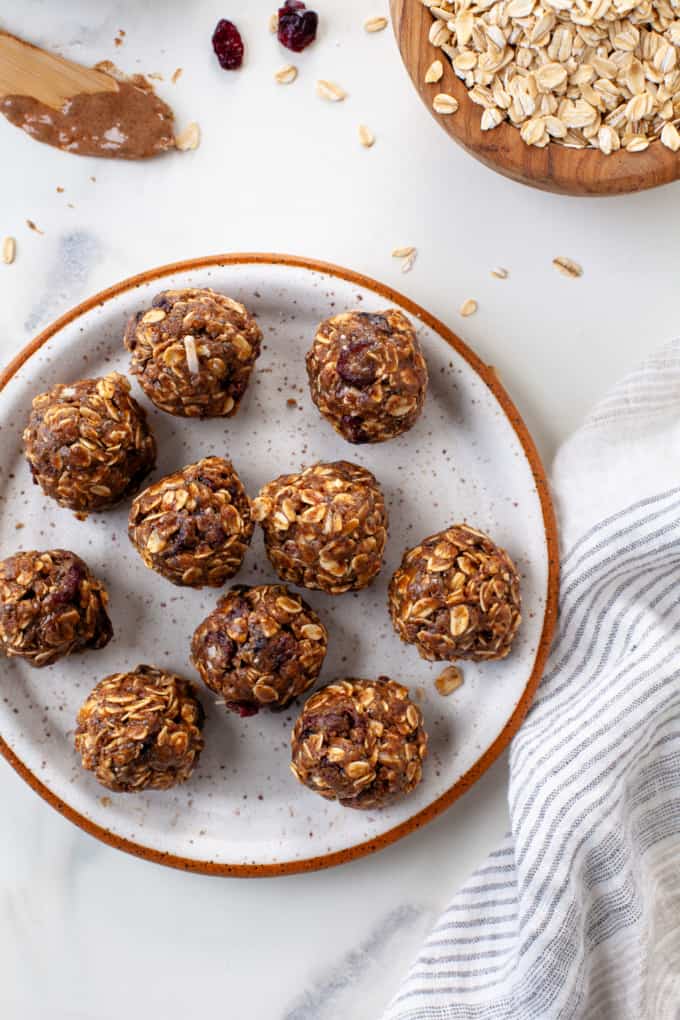
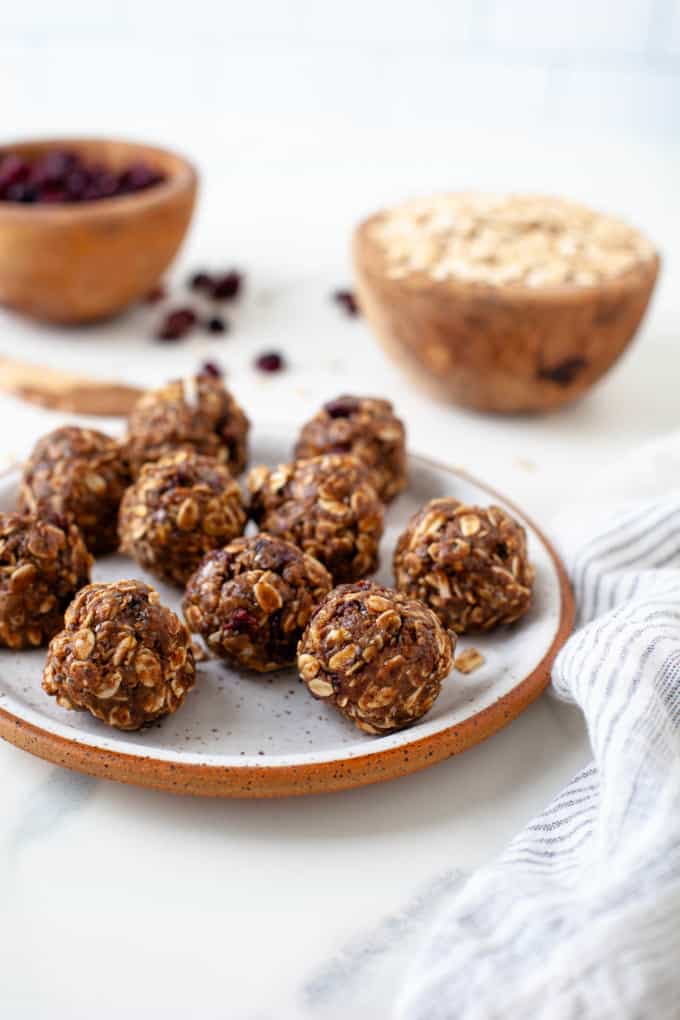
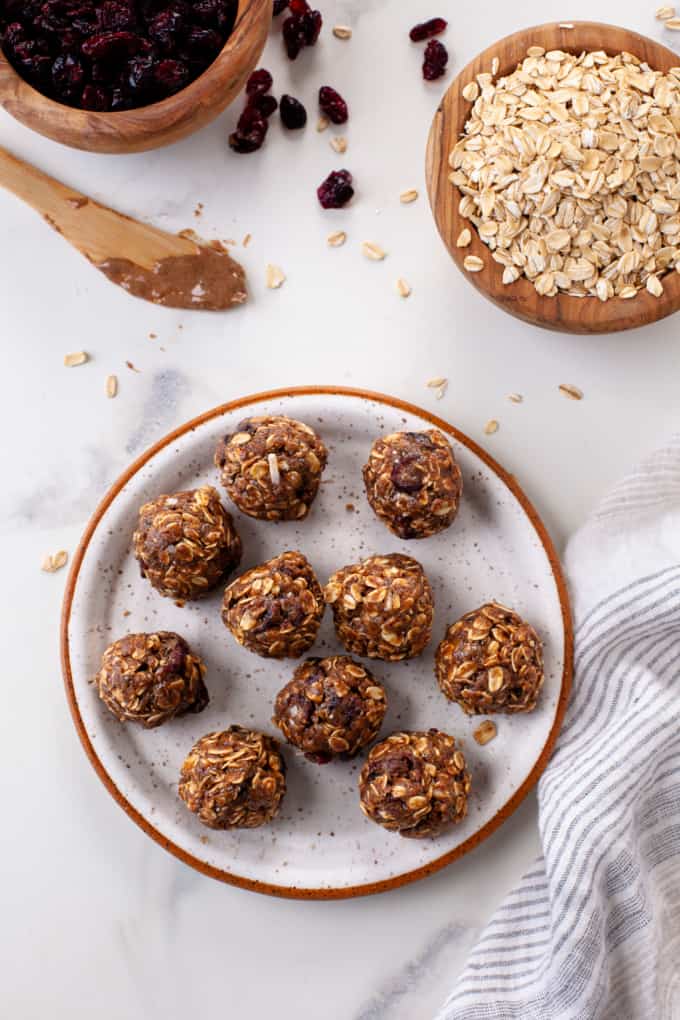
    Almond butter protein balls are a delicious, quick and healthy snack that can be meal prepped in less than 20 minutes. Easy to grab-n-go, these protein bites are packed with almond butter, oats, flaxseed and maple syrup.Almond butter protein bites on a white speckled plate with an orange rim. A bowl of rolled oats and spoon with almond butter in corner

    Between work, kids, appointments, errands and more, it can be hard to find time to make snacks that are nourishing and delicious!

    This is why I love these make-ahead energy balls. They’re packed with protein and are an easy grab-and-go way to get quick and sustaining energy.

    These protein balls can be customized to your liking, and even paired with a side like Greek yogurt and fruit for a simple balanced breakfast.

    They freeze beautifully, are quick to throw together, and packed full of protein and healthy fats to keep you satisfied (they’re also kid-approved because who doesn’t love nut butter?!).

    Add this sweet, nutty, and a delicious twist on the classic protein ball into the snack rotation and stay energized through your busy week!

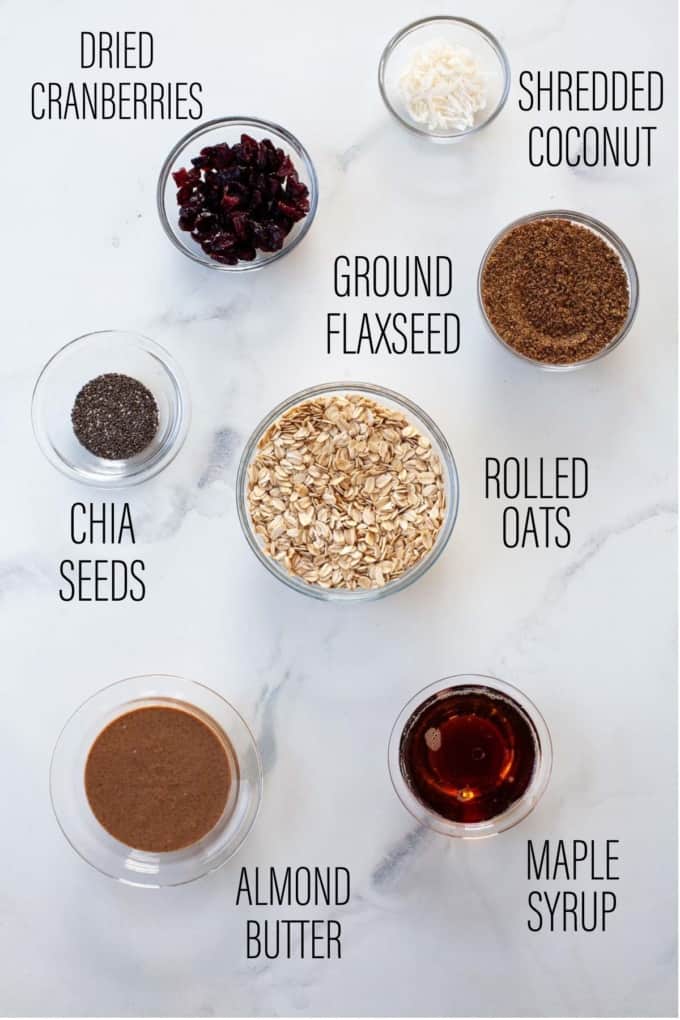
    Ingredients You’ll Need

    Notes on Ingredients

    old-fashioned rolled oats: opt for certified gluten free oats to make recipe gluten free

    ground flaxseeds: make sure to buy ground flax, not whole. Whole wouldn’t taste as good and you’d have to chew them very well to get the omega-3 benefits! Packed with fiber, flaxseed may help support digestion and lower total blood cholesterol and LDL cholesterol levels.

    almond butter: can be subbed for peanut butter or any nut butter of choice. use sunflower butter if you need a nut-free alternative.

    chia seeds: provides fiber and omega-3 fatty acids.

    maple syrup: adds sweetness; can substitute with honey if desired

    dried cranberries: adds a chewy texture and sweetness! can substitute with raisins or any other dried fruit

    shredded coconut: provides a source of fat and tropical flavor.

    Equipment You’ll Need (affiliate link – if you make a purchase I receive a small commission)

    Mixing Bowl 

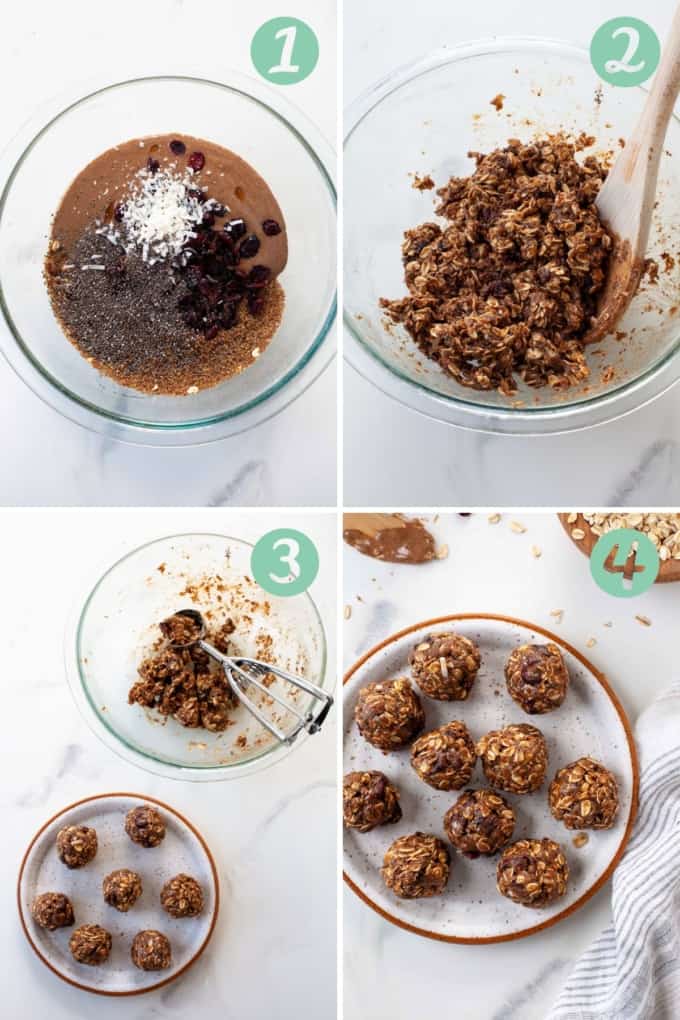
    How to Make Almond Butter Protein Balls

    Mix ingredients. In a large bowl combine oats, flaxseed, almond butter, maple syrup, dried cranberries, chia seeds, coconut, and salt until combined (mixture will be slightly sticky but will harden in the refrigerator).
    Refrigerate mixture. Cover bowl and store in the fridge for 10-15 minutes (this helps harden the mixture to form balls more easily).
    Form mixture into balls. Using a packed cookie scoop (or 1 generous tablespoon), form mixture into balls using your hands.

    Store balls in the fridge. Store in an airtight container for up to 6 days or freeze and thaw at room temperature the day before.

    Expert Tips:

    Make a double or triple batch to store in the freezer and have snacks on hand for weeks!
    If mixture is too sticky, add more flaxseed (1 tablespoon at a time). If mixture is too dry, add more almond butter or maple syrup, or even water (1 tablespoon at a time).
    If you want your protein balls to be sweeter, you could substitute dried fruit for chocolate chips.
    You could skip the refrigerator step if you don’t have the time but the balls will be harder to form.

    Substitution Ideas:

    raisins
    hemp seeds
    sunflower seed butter
    peanut butter
    dried blueberries
    chocolate chips
    honey
    agave syrup
    orange zest
    cinnamon 
    white chocolate chips
    dates
    pumpkin seeds
    cocoa powder
    sunflower seeds
    shredded carrot
    lemon zest 

    Recipe FAQs

    My balls are crumbly- what should I do?

    Consider adding more almond butter or maple syrup to help the mixture hold together!

    Can I leave out the flax seeds?

    Yes! One of the best things about protein balls is that they are totally customizable to your preferences. If you don’t have flax seeds on hand, you can add more oats to help balance out the wet ingredients. You could also try substituting with hemp seeds.

    Can I use peanut butter?

    Absolutely! The almond butter makes these more allergy-friendly but it can be subbed for peanut butter. The ratio will remain the same!

    What health benefits can be found in almond butter protein bites?

    These energy balls are packed with protein, fiber, and nourishing fats thanks to the almond butter, flaxseed, chia seeds, oats, and coconut.

    Almond Butter Protein Bites are shown on a white and orange plate with rolled oats and dried cranberries in the backgroundStorage and Preparation

    Almond Butter Protein Bite leftovers can be stored in the fridge in an airtight container for up to 6 days or stored in the freezer for up to 3 months and thawed at room temperature the day before.

    Recipes That Pair Well

    For a balanced breakfast, I recommend pairing with a delicious smoothie:

    Vegan Energy Boosting Smoothie

    Tropical Green Smoothie

    Pomegranate Smoothie

    Almond butter protein bites on a white plate beside bowls of rolled oats and almond butter

    For more energy bite inspiration, check out my other recipes below!

    Almond Butter and Jelly Energy Balls

    Chocolate Peanut Butter Hemp Heart Bites

    If you like this recipe, please be sure to comment and give it a 5 star rating below. If you make it, share it on Instagram and tag me @karalydonrd and I’ll re-share it with my followers! If you want to save this recipe for later, be sure to pin it on Pinterest!

    Ready to enjoy eating foods like this without the guilt? Download my free guide: Rediscover the Joy in Eating: How to Stop Stressing About Food + Enjoy Every Meal.

    Print

    clock clock iconcutlery cutlery iconflag flag iconfolder folder iconinstagram instagram iconpinterest pinterest iconfacebook facebook iconprint print iconsquares squares iconheart heart iconheart solid heart solid icon

    Description

    Almond butter protein balls are a delicious, quick and healthy snack that can be meal prepped in less than 20 minutes. Easy to grab-n-go, these protein bites are packed with almond butter, oats, flaxseed and maple syrup.

    1 cup rolled oats
    1/2 cup ground flaxseed
    2/3 cup almond butter
    1/4 cup maple syrup
    1/3 cup dried cranberries
    1 tablespoon chia seeds
    1 tablespoon shredded coconut
    Pinch of salt

    In a large bowl, mix together oats, flaxseed, almond butter, maple syrup, dried cranberries, chia seeds, coconut, and salt until combined (mixture will be slightly sticky but will harden in the refrigerator).
    Cover bowl and refrigerate for 10-15 minutes (this helps harden the mixture to form balls more easily).
    Using a packed cookie scoop (or 1 generous tablespoon), form mixture into balls using your hands.

    Store balls in the fridge in an airtight container for up to 6 days or freeze and thaw at room temperature the day before.

    Notes

    If mixture is too sticky, add more flaxseed (1 tablespoon at a time). If mixture is too dry, add more almond butter or maple syrup, or even water (1 tablespoon at a time).
    If you want your protein balls to be sweeter, you could substitute dried fruit for chocolate chips.
    You could skip the refrigerator step if you don’t have the time but the balls will be harder to form.

    Prep Time: 17 minutesCategory: Snack

    Keywords: almond butter protein balls, almond butter protein bites, protein balls with almond butter, almond butter energy balls

  • Saucy Beef and Lentil Meatballs (Easy Weeknight Meal)

    Saucy Beef and Lentil Meatballs (Easy Weeknight Meal)

    Saucy Beef and Lentil Meatballs (Easy Weeknight Meal) – The Real Food Dietitians


    Privacy & Cookies Policy


  • How Pippa Overcame an Unhealthy Relationship With Food and Found Peace

    How Pippa Overcame an Unhealthy Relationship With Food and Found Peace

    Has food become all-consuming, where you spend most of your day thinking about it?

    Before joining the Mindful Nutrition Method™, Pippa struggled to implement all of the knowledge that she had about nutrition into her life. She said this made her feel like a failure and that she lacked self-discipline, leading her to feel worthless.

    As she searched for some way of eating that would stick for her, she found herself in the start-and-stop cycle, always looking for the next food rule she could try that might work.

    This took a big toll on her relationship with food. After working through the program, she realized that she had all of this information about nutrition, but she struggled to implement it into her life because she didn’t have the tools, practices, or skills to do so.

    Now that Pippa was guided on how to integrate her habits into her life through small yet impactful practices and using simple tools, she feels so much freer and lighter that they come so naturally to her.

    Watch her story below!

    The Challenge: Information Overload & Bad vs. Good Food Mentality 

    Pippa shared that she struggled to find a balanced and consistent way of nourishing herself for most of her life — since she was a child.

    She realized that “I had all of this nutrition knowledge about what I should and shouldn’t be eating, and what were good foods or bad or treats, but I was rarely consistent.

    And I think that has a long-term detrimental effect on lots of other elements within your life because it’s unhealthy of engaging with yourself. And I would say most of my adult life, I just didn’t have anyone to help bring all of my knowledge together, and so meal times and food, it has very much been a sort of love/ hate relationship, I would say for many, many years.”

    Pippa goes on to share how this made her feel about food, sharing how it impacted her self-worth.

    “It sounds really dramatic when I say this, but I think it made me feel worthless…I’m not getting it right means that I’m constantly failing at something. And when you feel like you’re failing at something and not being your best self constantly, it kind of makes you feel you’re out of control or lacking discipline, which is all really negative and really chips away at you and your confidence. That feeling of worthlessness was there for years.”

    And Pippa is not alone in feeling this way about food and our relationship with it. 

    How She Tried To Overcome This Mindset

    Pippa tried overcoming this struggle by learning more about nutrition, but it kept her feeling stuck on how to put it into practice.

    “I read up about nutrition so I’ve tried to arm myself with the knowledge. And like I said, a moment ago, it’s very well having the knowledge, but putting it into practice and changing some behaviors and what have you, is difficult unless you have something like the MNM, which I think is really what hinges it all together.”

    But thankfully, Pippa sought out something different this time around. She decided to break the cycle and create a new, balanced relationship with food for herself.  

    What Supported Pippa To Find Peace With Food

    In order to get out of information overload, remove the all-or-nothing mentality, and stop stressing about food, you need to discover a new way of thinking about food. You need to discover a new relationship with food. 

    This new relationship needs to be unique to you and your needs. It needs to be tailored to your individuality. A balanced relationship like this allows you to tune into your body, feel confident in your own choices, and feel free from the stress of the scale. 

    It’s all about finding what works for you, rather than making yourself fit into a diet or plan that someone else swears by. So let’s dive into exactly how Pippa did that!  

    1. Making Food Choices That Feel Good To her

    One of the primary concepts we focus on inside of the Mindful Nutrition Method™ is listening to the body’s cues and making food choices that feel empowering, good, and nourishing to you. Students learn to tune into their bodies and trust the messages it’s sending so they can feel confident about the choices they make for themselves.

    This helps eliminate that feeling of constantly being stressed about food.

    Learning this skill allowed Pippa to look at her needs in a different way.

    “It’s been a gradual process, but I think that’s the beauty of it. I genuinely feel more in control and as a result, and I use that word differently. So when I say control, it seems like I’m being strict with myself. I don’t mean that, but I feel like I’m owning my decisions with food and food in the way I’ve not done so before. And I feel as a result, it’s a bit of a … Quite a bit freer, but lighter.”

    The check-in practices we teach inside of the program guide you to tune into your body. They allow you to bring awareness to the patterns you have with your eating habits. You then learn how to best align your actions with what works best for you.

    This inner knowing makes it much easier to make changes. You’re no longer following what someone else is telling you to do. Instead, you’re using your own self-awareness to feel confident in what allows you to feel your best.

    2. Finding Easy Wins That Build Consistency 

    Pippa tapped into using the Mindful Nutrition Method tools including the Foundational Five, meal prep, and of course the mindset work inside the course. 

    When she put all these pieces together she gained a new perspective and clarity with her food choices.

    “I was floundering in the dark and now I feel like I am much more in the light, much kinder to myself, much more knowledgeable. The [foundational] nutritional five is a bedrock of my nutrition now. It’s such a simple, easy win, and I don’t think I’ve mentioned enough about the actual program, but yeah, to sum up before and now I would say floundering in the dark to feeling empowered and much more literally in the lights right now as a result of being in the Method.”

    When asked if she would recommend the Mindful Nutrition Method program to anyone else, she shared: 

    “I genuinely don’t think you would find anything that would do this for you other than the Method, because it really is … It’s run by people who genuinely care, there’s some fantastic tips, like the nutritional five, you get to learn how to listen to your body and honor yourself. The stop drop and ask. There’s so many little bits and pieces that you start to use in your daily life that make a massive impact…you just won’t regret it.”

    Learn How To Feel Confident, Balanced, and At Peace With Food.

    This is such a beautiful transformation from Pippa. We’re so grateful to have been a part of her journey in making all of this possible for her! Now you can also learn these same tools and strategies by first watching the free class. 

    You’ll learn about the #1 Habit That Keeps You Struggling With Your Weight and your Relationship With Food — And How To Break Free From The Diet And Food Obsession Starting Now. 

    Watch The Free Masterclass

  • L’Oreal’s Anti-Aging Collagen Moisturizer Is In Stock at Ulta For $11

    L’Oreal’s Anti-Aging Collagen Moisturizer Is In Stock at Ulta For $11

    If you purchase an independently reviewed product or service through a link on our website, STYLECASTER may receive an affiliate commission.

    It’s nice to know that we’re living in a time where getting cosmetic procedures like plastic surgery is no longer looked down upon (It shouldn’t be! Do what makes you the most confident! Especially if it’s safe and done by a medical professional!). But for some, going under the knife isn’t in the cards, and finding alternatives that work similarly is like finding a needle in a haystack—nearly impossible to do, but glorious when it occurs.

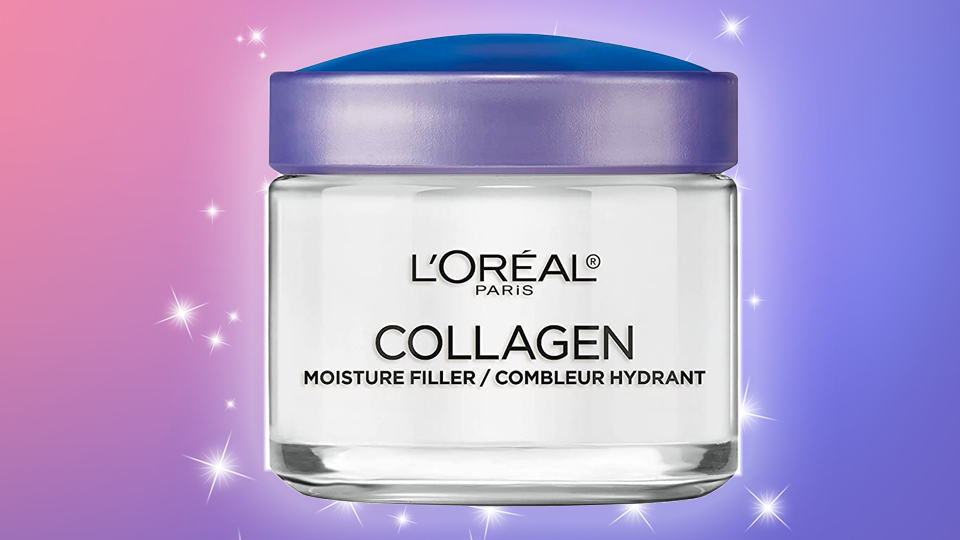
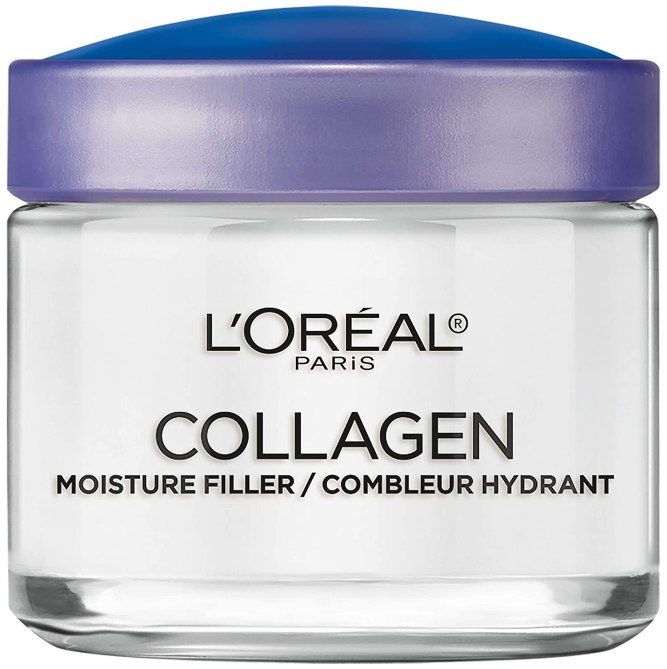
    So, we’re overjoyed to say that one of those needles is on sale. It’s the L’Oreal Paris Collagen Moisturizer
    . While it’s already sold out on Amazon
    , it’s available for $11 at Ulta. Here’s a bit more about this beloved moisturizer: The day and night cream was generated to feed your skin “intense hydration” that will, according to the brand, “fill in the appearance of lines and wrinkles
    and helps restore moisture for smoother, plumper skin.”

    Now, we know that marketing lingo can be a bit overstated, but reviewers seem to back all of the above claims. In fact, over 26,000 shoppers have given the product perfect five-star ratings on Amazon
    .

    RELATED: Shoppers Call This Vitamin C Serum a ‘Real Life Filter’—& It’s on Sale For Under $22

    L'Oreal Paris Skincare Collagen Face Moisturizer

    Courtesy: L’Oreal Paris.

    L’Oreal Paris Skincare Collagen Face Moisturizer

    One reviewer who used to rely on botox to minimize the appearance of their wrinkles said this moisturizer replaced their need for the procedure entirely.

    “Dullness gone, just dewy glow that I thought was gone forever,” they wrote.

    StyleCaster Shopping Newsletter Sign Up

  • 8 Trending Skin Care Ingredients

    8 Trending Skin Care Ingredients

    With a new year comes new beauty trends and ingredients. But how do you know which skin care ingredients are effective and which are just a passing fad? We’re looking at eight trending ingredients to explain what they are, why they are a beauty trend and how they could benefit your skin’s health.

    Benefits Of 8 Trending Skin Care Ingredients

    Whether you’re looking for a retinol alternative or need something to combat skin concerns without harming your skin barrier, here are some ingredients to consider:

    1. Ceramides

    Ceramide skin care is a powerful addition to any routine as it strengthens and nourishes the skin barrier. Ceramides, also known as lipids or fats, act as a glue that keeps skin cells together, healthy and intact. The connection between these cells creates a natural skin barrier to keep moisture in and environmental pollutants and sun exposure out. When the skin barrier is weakened or damaged, it leads to visible signs of aging, sensitivity and a dull complexion. However, restoring lipids to your skin boosts hydration, which in turn improves the skin’s appearance in softness and suppleness. 

    2. Peptides

    Collagen is responsible for keeping skin youthful and supple, but as skin ages, collagen production naturally slows and causes the skin to become thinner and more delicate. Visible signs of aging, such as fine lines, wrinkles or decreased elasticity, are more likely to appear with decreased collagen production. This is where peptides come in — peptides act as a signal within skin cells to produce new collagen for your skin. Applying skin care ingredients with peptides signals to the cells to make new collagen, which in turn promotes a firmer and healthier-looking complexion. 

    3. Rosehip Oil

    Sealing in moisture and protecting the skin barrier are just two ways to nourish the skin and keep signs of aging at bay. Rosehip oil is a trending beauty ingredient for good reason: it contains a high concentration of antioxidant-rich lipids as well as Vitamin C, Vitamins E and A and linoleic acid. Together, these skin-boosting ingredients boost hydration levels, reduce the appearance of fine lines and wrinkles and may even brighten skin tone.

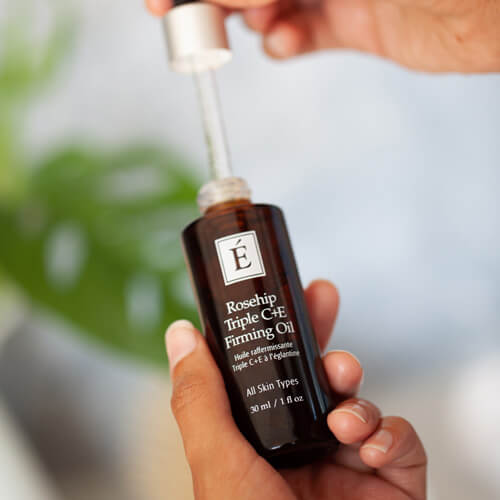
    Eminence Organics Rosehip Triple C+E Firming Oil

    4. Probiotics

    We know that probiotics are good for gut health, but did you know they are beneficial for the skin, too? In the same way these live microorganisms work internally to keep the digestive tract functioning and improving overall health, probiotic-rich ingredients in skin care (applied topically) are helpful in clearing the appearance of the complexion. A dose of probiotic skin care can balance bacterial levels and return the skin to a luminous appearance.

    5. Vitamin C

    Vitamin C (ascorbic acid) is often touted as a powerhouse in any skin care routine. Why? It’s a potent antioxidant that helps protect skin against free radical damage while targeting fine lines and wrinkles. Even though Vitamin C is necessary for repair and collagen production, Vitamin C cannot be naturally produced or stored by our bodies. We can only reap the benefits of Vitamin C by ingesting it or by applying it topically in skin care. You can find Vitamin C in citrus fruits, such as oranges and leafy greens, such as kale or tomatoes, to name a few. For your skin care, you can find Vitamin C in a range of serums, masks, oils and toniques. Watch this In The Mix video with Lead Skin Care Trainer Natalie to learn how to integrate Vitamin C into your daily skin care routine.

    6. Bakuchiol

    One of the newer trending skin care ingredients, bakuchiol is an effective and natural alternative to retinol. Retinol is touted as an ingredient that reduces visible signs of aging, but for many, it causes increased irritation, excessive dryness or enhanced sun sensitivity. Bakuchiol offers the same results as retinol, without the harsh side effects or concerns. 

    Bakuchiol products minimize the appearance of fine lines and wrinkles while promoting a glowing-looking complexion. You can use this ingredient if you want to incorporate a retinol alternative into your skin care routine or want to start with a retinol-like step.

    7. Niacinamide

    A form of Vitamin B3, niacinamide is an antioxidant that boosts the cell repair process and helps the skin barrier retain moisture. The anti-inflammatory properties of niacinamide make it a good option for those dealing with skin concerns, such as acne. As a support to the skin barrier, niacinamide’s skin benefits include a minimized appearance of dark spots and enlarged pores, as well as an improved skin texture. Niacinamide is especially beneficial for those with sensitive or dry skin. Alternatives such as salicylic acid might be too drying or irritating. 

    8. Snow Mushroom Extract (Tremella)

    Known scientifically as tremella fuciformis, snow mushroom might be new to some, but has been used in eastern medicine for generations. Like hyaluronic acid, snow mushroom is also an intensely hydrating ingredient that attracts moisture to skin cells. Snow mushrooms are known as a humectant and a super-hydrator, pulling moisture back into the skin.

    Are you ready to incorporate some trending skin care ingredients into your routine? Let us know in the comments below what you plan on adding!

Padişahbet Giriş
Crypto Casino
Padişahbet
new online casino
Padişahbet Güncel Giriş