Category: Latest Articles

  • A Skin Care Routine For Sensitive Skin

    A Skin Care Routine For Sensitive Skin

    Are you dealing with sensitive skin? Sensitive skin is often genetic and can react to many different variables, from hormonal imbalances and poor diet to changes in the weather and specific chemicals or ingredients. It’s vital to maintain a consistent skin care routine to keep your sensitive skin calm and clear. We’ve gathered some tips on how to relieve your symptoms as well as a skin care routine for sensitive skin to help your skin behave.

    8 Tips For Sensitive Skin

    You may not be able to change your sensitive skin type, but there are several tips you can follow to keep your sensitive skin symptoms under wraps:

    1. Avoid Long, Hot Showers

    It’s time to swap your long, hot showers for shorter, lukewarm ones. Why? Sensitive skin often reacts negatively to heat exposure which breaks down the skin’s lipid barrier. Melissa Piliang, MD tells SELF: “Think about it like butter on a knife. If you put it under cold water, the fat on the knife doesn’t go anywhere. But if you put it under warm water, those lipids will melt away. It’s the same kind of issue with the lipid layer in our skin. If you put your skin in hot water or use harsh soaps, then it tends to wash that outer protective fatty layer away.”

    2. Be Aware Of Triggers

    One of the best ways to manage your sensitive skin symptoms is to be aware of the environmental and lifestyle triggers that cause your skin to react. The more you know, the better you can identify them and take precautionary measures. Triggers differ from person to person, but often include:

    Seasonal changes
    Stress and lack of sleep
    Pollution
    DehydrationHow to manage sensitive skin symptoms
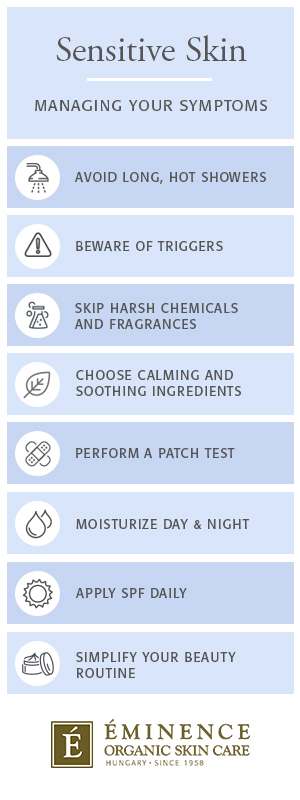
    3. Skip Harsh Chemicals & Artificial Fragrances

    Harsh chemicals and artificial fragrances are two of the biggest contributors to lipid barrier damage. To keep your skin’s health intact, Women’s Health advises: “Look for skin care products free from fragrances and paraben preservatives, two common causes of irritation and flare-ups.” Choose natural skin care brands like Eminence Organic Skin Care that do not use parabens, sodium lauryl sulfates, synthetic dyes, petrochemicals and phthalates in their formulations.

    4. Choose Calming Ingredients

    In addition, reach for products that contain calming ingredients. “It’s important to choose natural ingredients when possible, no matter your skin type, but for sensitive skin it is extra important,” explains Dr Hooman Khorasani, Dermatologic and Cosmetic Surgeon. “These products may be described as hypoallergenic, mild or gentle and can contain natural ingredients like coconut oil,  aloe vera, chamomile, vitamin E and shea butter,” says Dr. Khorasani.

    Ingredients should be chosen for their anti-inflammatory properties and ability to enhance your skin’s lipid barrier. In summary, these include:

    Hyaluronic acid
    Aloe vera
    Vitamin E
    Olive oil
    Chamomile
    Shea butter
    Sunflower seed oil
    Coconut oil

    5. Perform A Patch Test

    We’ve all been there after a skin care purchase haul. Excitedly trying all the new products at once is something nearly everyone has done at one time or another. But this can lead to an unwanted reaction, particularly for sensitive skin types. Instead, always perform a patch test before adding new products to your skin care routine. As Women’s Health advises: “Do a test run on a small, inconspicuous patch of skin (like behind your ear) before applying. Wait at least 24 hours for signs of irritation, redness, or other skin freak-outs. If your skin is hypersensitive, repeat this test run on a patch next to your eye. All clear? You’re safe to apply with abandon.”

    6. Moisturize

    One of the best ways to maintain a healthy lipid barrier is to moisturize – day and night. An effective moisturizer will replenish skin’s outer layer and prevent water loss, helping to prevent penetration by potential irritants. When choosing a moisturizer, we recommend looking for ingredients that are high in fatty acids (like shea butter, jojoba oil and coconut oil), as well as humectants (like hyaluronic acid) that work to increase hydration and lock in moisture.

    7. Apply SPF

    Sensitive skin is extra-responsive to the sun’s rays – and UV protection is a must. However, as dermatologist Shari Marchbein tells Allure: “People with sensitive skin can have a hard time finding sunscreens, as most are made with chemical UV blockers that can cause stinging, burning, irritations and redness when applied to the skin.” We suggest using a mineral sunscreen that contains physical blockers like zinc oxide and titanium dioxide to shield your skin from damaging UV rays.

    8. Simplify Your Beauty Routine

    Sensitive skin is easily overwhelmed by an abundance of products. Dr. Ilyse Lefkowicz tells Refinery29: “I always suggest patients with sensitive skin to simplify their skin care routine. Strip it down to the basics by using gentle cleansers and moisturizers without lots of detergents and fragrances. Then, slowly introduce other agents one at a time.” As always, perform a patch test before adding additional products to your routine.

    A Step-By-Step Sensitive Skin Care Routine

    When it comes to sensitive skin, less is more. We recommend starting with some sensitive skin care products in conjunction with these essential skin care steps for best results.

    Cleanse

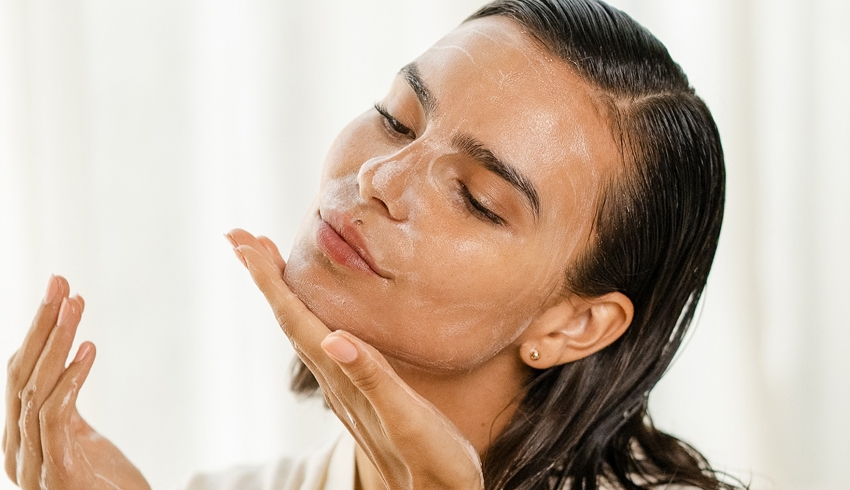
    Dermatologists recommend using a gentle cleanser that removes impurities without causing irritation or unnecessary dryness. When cleansing, use your fingertips rather than a washcloth or brush, rinse with cool water and gently pat your face dry. Most importantly, don’t overdo it. Washing the face once per day should be enough to keep your skin healthy.

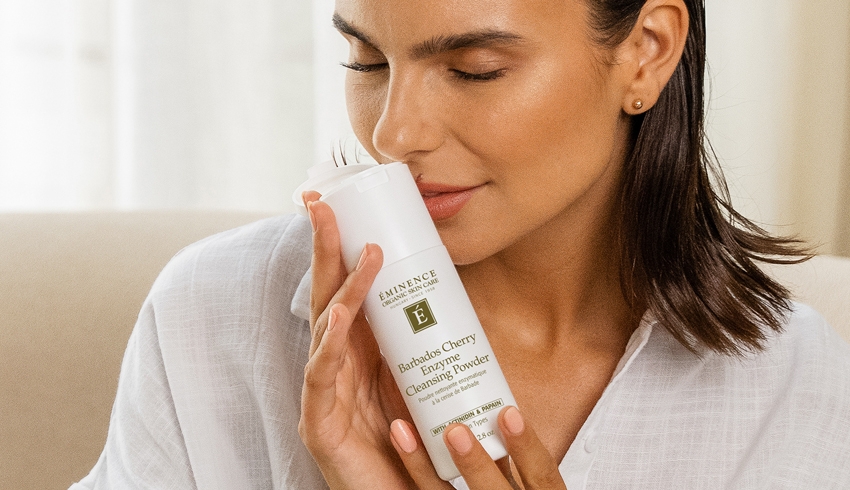
    We recommend: Barbados Cherry Enzyme Cleansing Powder

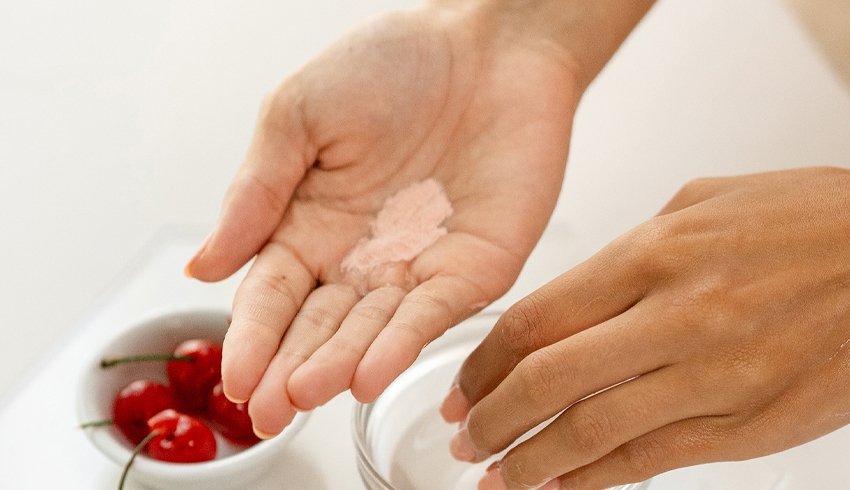
    This 2-in-1 powder exfoliating cleanser gently exfoliates and thoroughly cleanses your skin with the soothing enzymatic action of actinidin and papain. This powder is perfect for sensitive skin and is enhanced with vitamin C-rich fruits like Barbados cherry and Kakadu plum to reveal a refreshed-looking complexion, while being gentle enough for even the most delicate skin types.

    Tone

    Say goodbye to alcohol-based, astringent toners that can leave your face feeling tight and itchy. Instead, use a toner or facial mist with skin-soothing ingredients that will help improve the appearance of redness and inflammation.  

    We recommend: Stone Crop Hydrating Mist

    Refreshing Stone Crop Hydrating Mist is infused with stone crop juice and aloe to hydrate and heal dry skin on the face, revealing a soft and fresh complexion. Meredith says in her 5-star review: “I mist this on my face after cleansing and before I apply my nighttime moisturizer or daytime sunscreen and LOVE it! I have pretty sensitive skin that gets easily irritated and itchy and this always calms, hydrates and smooths my skin. It is amazing how much better my skin looks and feels after misting this on! I can’t be without it! Thank you, Eminence!”

    Moisturize

    For sensitive skin, look for moisturizers that not only replenish your skin’s moisture barrier but also contain soothing ingredients that will calm and comfort your complexion.

    We recommend: Calm Skin Chamomile Moisturizer

    Chamomile, calendula and arnica combine in this moisturizer to soothe chapped cheeks and reduce redness due to dryness. If your skin is both sensitive and oily, our expert estheticians recommend the Stone Crop Whip Moisturizer, which helps improve the appearance of dry skin.
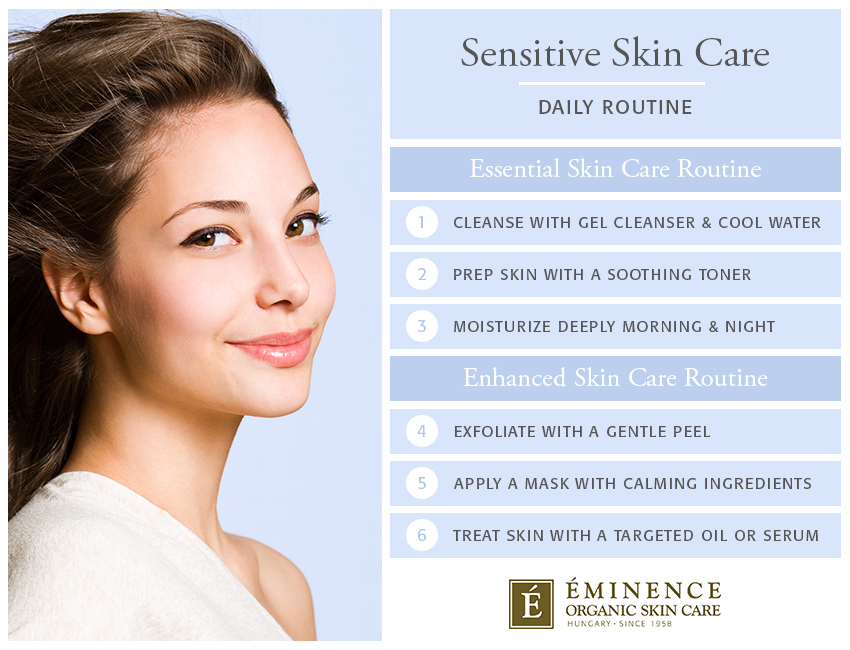
    Sensitive skin care routine

    An Enhanced Sensitive Skin Care Routine

    Now that you’ve mastered the essentials, it’s time to let the fun begin. We recommend introducing these extras one at a time to your skin care routine.

    Exfoliate

    Sensitive skin can still be exfoliated, gently. Keep exfoliation to one or two times per week. It can help remove dead skin cells and freshen up your skin, without leading to over-exfoliation. 

    We recommend: Calm Skin Chamomile Exfoliating Peel

    This peel uses lactic and mandelic acids to gently exfoliate sensitive skin without irritation. It is formulated with soothing ingredients like chamomile, calendula and arnica flower that relieve redness due to dryness and leave skin feeling soft, smooth and revitalized.

    Facial Mask

    Face masks are one of the best ways to soothe sensitive skin. They not only offer the ultimate pampering experience but also deliver calming ingredients to the skin.

    We recommend: Mango Exfoliating Enzyme Masque

    Reveal refreshed and radiant skin the Mango Exfoliating Enzyme Masque suitable for all skin types, including sensitive skin. This gel mask, infused with a vibrant blend of pineapple, mango, and Kakadu plum, delivers a surge of vitamin C and superfood antioxidants to brighten your complexion, leaving your skin visibly glowing and revitalized.

    Treat

    We recommend: Facial Recovery Oil

    This award-winning facial oil is formulated with the purest Biodynamic® ingredients to tone and hydrate skin sensitive skin. Alicia says: “Amazing to hydrate, soothe and reduce redness due to dryness. It can be applied under your moisturizer, worn on its own or simply used by adding a couple of drops to your moisturizer. It also has beautiful oils in it to help soothe dry skin: ylang ylang, clary sage oil and sage leaf extract.” 

    Do you have sensitive skin? Browse more of our skin care products, specially selected for sensitive skin types and experience them at an Eminence Organics Spa Partner near you.

    We’d love to hear which products help calm and soothe your complexion! Share your recommendations with us in the comments below and join the conversation on social media.


  • Ground Beef Stroganoff Recipe

    Ground Beef Stroganoff Recipe

    Ground Beef Stroganoff Recipe


    Privacy & Cookies Policy

  • Protein Pumpkin Smoothie Recipe

    Protein Pumpkin Smoothie Recipe

    Protein Pumpkin Smoothie Recipe


    Privacy & Cookies Policy

  • Our 22 Best Healthy Apple Recipes

    Our 22 Best Healthy Apple Recipes

    Our 22 Best Healthy Apple Recipes


    Privacy & Cookies Policy

  • What Does Exfoliating Do For Your Skin?

    What Does Exfoliating Do For Your Skin?

    We all know that exfoliation is an essential part of achieving healthy, glowing skin, especially in your late twenties, thirties and beyond! This is when your skin’s renewal process begins to slow down naturally. The important thing to remember is that, regardless of what type of exfoliation you choose, there are several key steps that you need to follow to ensure you get the most out of your skin care treatments. Before you go skin deep, make sure you read on to find out about exfoliation, as well as the dos and don’ts of exfoliation treatments. 

    What Does Exfoliation Do? | Exfoliation Do’s And Don’ts | Sensitive Skin | Normal Skin | Dry Skin | Oily Skin | Combination Skin 

    What Does Exfoliation Do? 

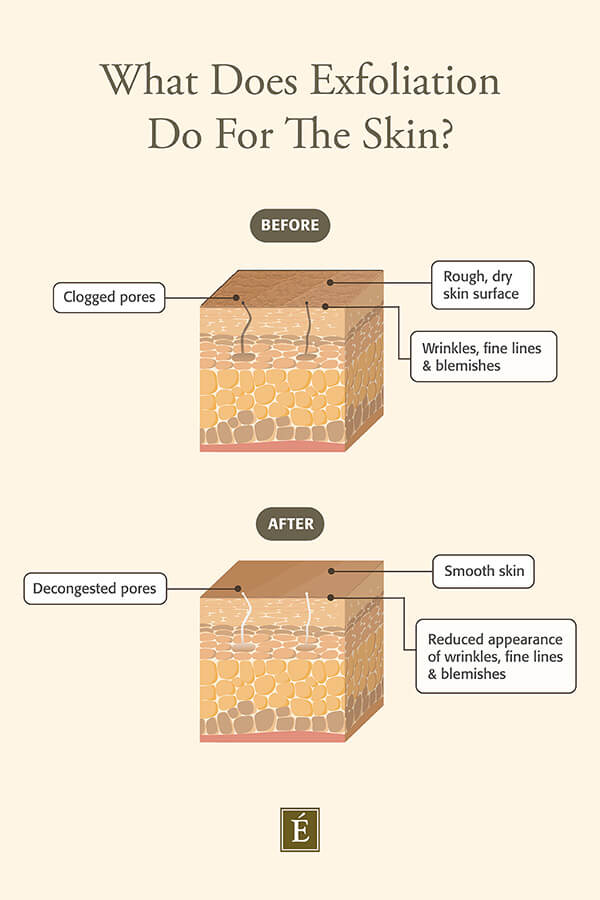
    The purpose of exfoliation is to remove the dull surface layers of dead skin cells to reveal the new, younger skin beneath. The depth of the exfoliation depends on the type of skin peeling treatment you receive. You will find exfoliating helpful with unclogging pores, smoothing out the appearance of the skin and reducing wrinkles and fine lines.

    What does exfoliation do for the skin?

    You can choose from a physical exfoliant (typically a scrub) or a chemical exfoliant (an acid-based peel). Physical exfoliants contain fine granules and feature a gritty texture. When massaged into the skin, they buff off dead skin cells. A chemical exfoliant can use acids like AHAs (alpha hydroxy acids) or BHAs (beta hydroxy acids). Typically, a chemical exfoliant with a BHA, like salicylic acid, is ideal for acne-prone and oily skin types, as it works by penetrating the pores, allowing it to target blackheads and whiteheads. In contrast, AHAs, like glycolic acid or lactic acid, are great for dry or mature skin as AHAs work on the skin’s surface and focus on the visible signs of aging. 

    To help you with your mission for a brighter, healthier complexion, we’ve gathered some skin care dos and don’ts when it comes to exfoliation, so you can do it the right way!

    Exfoliation Dos And Don’ts

    Do: Determine Your Skin Type

    To get the most out of exfoliation and to avoid any unpleasant side effects, familiarize yourself with your skin type. Remember that a skin type is different from a skin concern. Skin types are classified into just five categories, whereas skin concerns are the multitude of conditions that you want to treat, and can include blemishes, wrinkles and sun damage.

    The five skin types are:

    So, let’s illustrate a scenario: Your skin is prone to irritation and redness, and you have a few dark spots on your face due to sun damage. The skin care analysis? Your skin type is most likely “sensitive” and the skin concern that you want to target are the dark spots or uneven skin tone.

    The truth is, determining your skin type isn’t as easy as it sounds. SkinInc Magazine recommends undergoing a thorough skin analysis by a professional esthetician prior to receiving any type of exfoliation treatment. To find an authorized Eminence Organics esthetician in your area, see the Spa Locator on our website. 

    Once you’ve determined your skin type, you can use the Product Recommender on our website. This smart tool is designed to advise you on which products work best with your skin type and to help address your problem areas. You can also keep reading below to find out which products best suit your skin type.

    Don’t: Exfoliate Irritated Skin

    Is your skin feeling irritated and sore? Whether it’s a sunburn or a skin reaction caused by another product, any type of irritation or redness is a good reason to avoid exfoliation. In this case, sloughing away at your skin could cause more harm than good. 

    Our Eminence Organics Product Support Representatives share that over-exfoliating the skin may compromise the outermost layer known as the skin’s natural moisture barrier. The skin barrier helps our skin retain moisture and provides protection from environmental threats. A compromised barrier can lead to the skin feeling red, irritated, inflamed or overproducing oil, which can lead to potential breakouts. We recommend holding off on any type of treatment until your skin has completely recovered.

    Do: Follow Exfoliation With SPF 

    After exfoliation, your skin is more susceptible to damage from the sun or other environmental elements. When it comes to your daily skin care routine, sun protection is a must. Once you’ve buffed away the dull layers of your skin, your complexion immediately becomes more sensitive. After exfoliation, your skin is more susceptible to damage from the sun or other environmental pollutants, which means it’s even more crucial to apply an SPF moisturizer. 

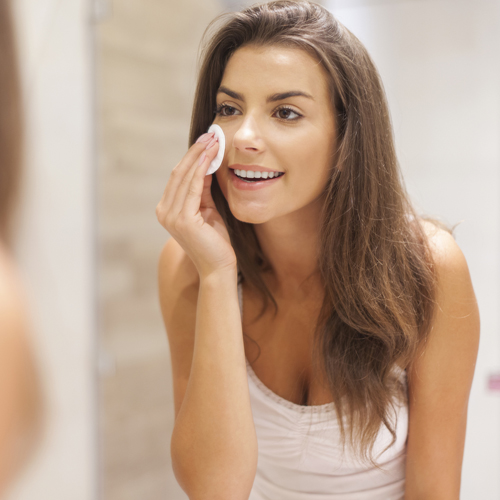
    Woman patting her face

    Don’t: Use Synthetic Exfoliants 

    Not only can synthetic exfoliants like plastic microbeads harm your skin, they can also cause intense damage to our environment. In 2015, the California State Assembly passed a bill restricting the sale of personal care products that contain plastic microbeads. You can opt for skin care products that use natural and organic alternatives to plastic microbeads. The Monoi Age Corrective Exfoliating Cleanser provides rejuvenating benefits and is more hydrating for those in drier climates this time of year. It’s also cruelty-free and formulated without parabens, sodium lauryl sulfates, synthetic dyes, petrochemicals, animal by-products, phthalates, GMOs and triclosan. 

    Do: Use Caution When Combining Exfoliation Treatments  

    Although some exfoliation treatments work well together, there are some skin care combinations that should be avoided. When using retinol treatments, for example, it’s recommended that you avoid applying our VitaSkin™ Exfoliating Peels and use caution when undergoing additional exfoliation procedures such as waxing eyebrows, chemical peels, microdermabrasion and laser treatments. This also applies to over-the-counter medications. To be safe, it’s always best to consult your physician before undergoing any intensive exfoliation treatments. We recommend the Bamboo Firming Fluid as an alternative to conventional retinol. This concentrate contains a Natural Retinol Alternative, which is safe to combine with other exfoliating products. 

    Some exfoliation treatments can be combined safely, and we recommend pairing our VitaSkin™ Exfoliating Peels with products like our Strawberry Rhubarb Dermafoliant and our Yam & Pumpkin Enzyme Peel 5%. These exfoliants can actually boost results when used prior to the exfoliating peels. If you’d like to learn more about the benefits of exfoliating or how to exfoliate properly, our Lead Skin Care Trainer, Natalie Pergar, answers all your exfoliating questions in this In The Mix video.

    Best Exfoliating Products For Your Skin Type

    sensitive skin  

    Is your skin reactive and easily irritated? You may have sensitive skin, which means you need to be very selective with what products you apply, particularly when it comes to exfoliation. Try our 2-in-1 exfoliating cleanser — the Barbados Cherry Enzyme Cleansing Powder. Ideal for all skin types, this cleanser begins as a powder but turns into a soft, creamy foam when mixed with water. Gently massage into the skin to experience the mild exfoliation provided by actinidin and papain enzymes, while Barbados cherry, Kakadu plum and diatomaceous earth collaborate to leave your skin even and balanced-looking. 

    Normal Skin

    You know you have normal skin if your complexion always looks smooth and even (lucky you!), and if it is not overly dry, oily or sensitive. To maintain healthy, normal skin, we recommend using the Strawberry Rhubarb Dermafoliant. This gentle scrub removes impurities and brightens your complexion due to strawberry and salicylic acid. In addition to providing exfoliation, rhubarb also provides vitamins and ascorbic acid to improve the look of fine lines and wrinkles. 

    Dry Skin

    You may have dry skin if your skin feels tight and it lacks moisture. Your pores will appear almost nonexistent. You may also notice flakiness and a rough skin texture. Dry skin will benefit from using our Firm Skin Acai Exfoliating Peel as it is packed with antioxidants and includes glycolic and lactic acid to gently exfoliate dry skin. Over time, exfoliation should reveal softer, smoother skin beneath so that the texture no longer appears so flaky. 

    Oily Skin

    Oily skin is characterized by a shiny complexion with visible pores, spots and blemishes. If you have oily skin, we recommend the Stone Crop Oxygenating Fizzofoliant™ to control the shine. This powder-to-foam exfoliant creates a light, fizzing action to gently buff the skin’s surface and should reveal a clean and refreshed-looking complexion. 

    combination skin

    If your skin has an even tone and is not extremely dry or oily, you may have combination skin. Sometimes you experience slight dryness on your forehead or cheeks, while simultaneously dealing with oiliness on your T-zone. Those with combination skin can use the Arctic Berry Peel & Peptide Illuminating System, a three-step system that reveals radiant-looking skin. A combination of cloudberry, arctic roseroot, arctic meadowsweet and juniper provide antioxidants to minimize the appearance of wrinkles and fine lines. Lingonberry seed oil gives the skin essential vitamins, minerals and omega-3 fatty acids to give the skin a hydrated, dewy appearance. 

    Do you have any exfoliation tips that you’d like to share? Tell us in the comments below. You can also find further information about exfoliation at your nearest Eminence Organics Spa Partner. 

  • Crispy Black Bean Tacos | Kara Lydon

    Crispy Black Bean Tacos | Kara Lydon

    Ready in less than 30 minutes, this quick vegetarian meal is about to become a new weeknight favorite. Baked in the oven on a sheet pan, these crispy black bean tacos with cheese are extra delicious when dipped into my tangy Avocado Lime Crema.

    black bean tacos on parchment lined baking sheet with fresh cilantro, lime, and avocado lime cremablack bean tacos on parchment lined baking sheet with fresh cilantro, lime, and avocado lime crema

    Why this recipe is chef’s kiss!

    These tacos are a game-changer for busy weeknights.

    They’re ready in less than 30 minutes and can be customized with any desired toppings like cilantro, sour cream, avocado or pico de gallo

    I’ve been taking the extra 5 minutes to whip up this quick Avocado Lime Crema which adds a creamy, tangy twist and takes these tacos to the next level. I love dipping every taco bite into this delicious Greek-yogurt based sauce!

    As a registered dietitian, I am always looking to add more plant-based protein to my diet, and these tacos are the perfect recipe to do just that.

    With melty cheese and a crispy, crunchy texture from the corn tortillas, this recipe is sure to deliver a nourishing, satisfying meal the whole family will enjoy. Even my three year old approved it!

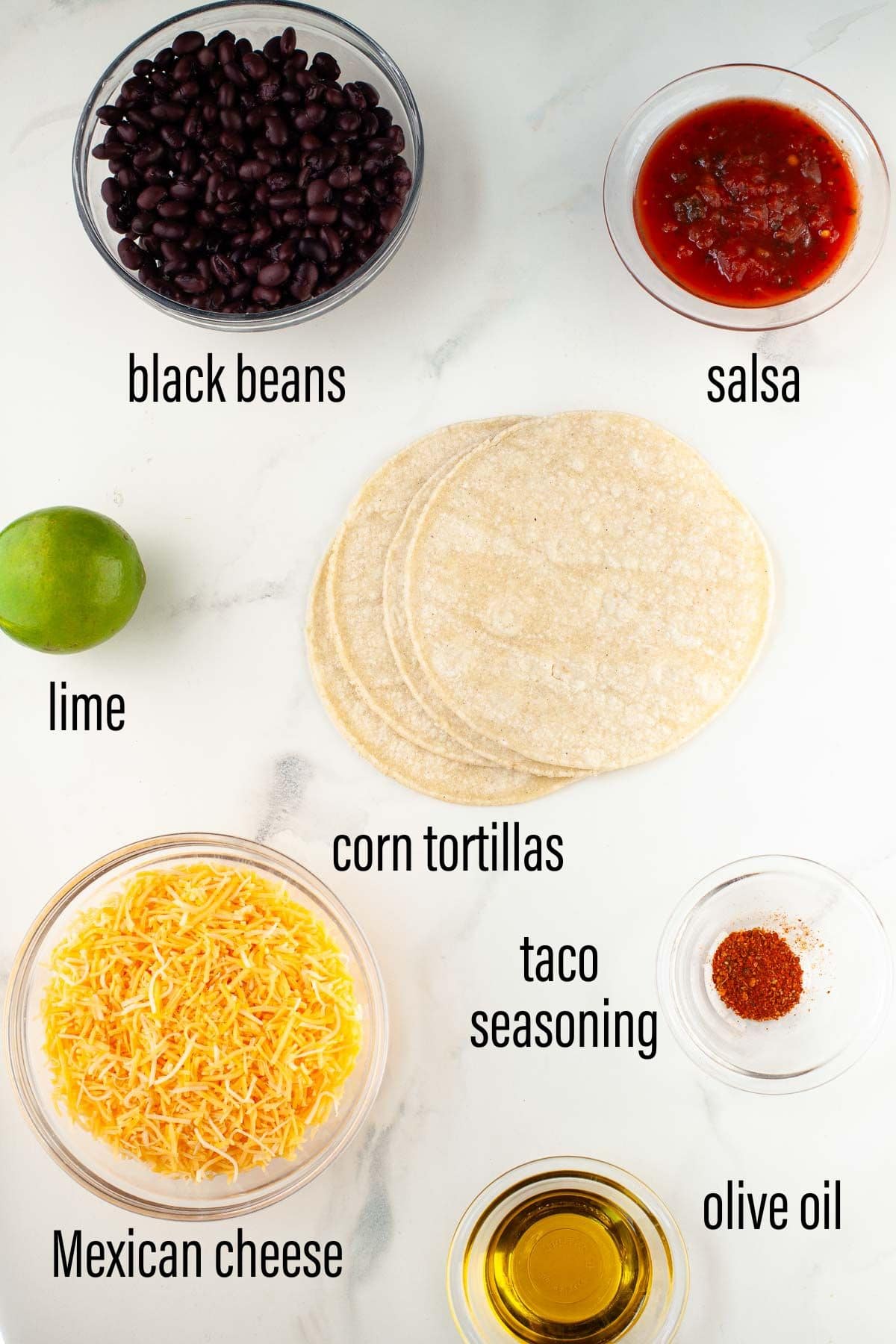
    Ingredients You’ll Need

    graphic of ingredients for crispy black bean tacos on white marble surface with black text overlaygraphic of ingredients for crispy black bean tacos on white marble surface with black text overlay

    Notes on Ingredients

    black beans: Have an earthy, slightly nutty flavor. If you’re using canned black beans (I do!) be sure to drain and rinse them before using.

    olive oil: Used to coat the tortillas to contribute to their crispy texture.

    taco seasoning: Adds some spice and Mexican flavor.

    mild salsa: Tangy, slightly spicy kick, adds freshness to the filling.

    lime juice: Provides a zesty, citrusy touch, enhances flavors and adds brightness.

    Mexican shredded cheese: Has a creamy, mild flavor, and melts well.

    corn tortillas: I like using corn tortillas in this recipe because I find they crisp up nicely. They tend to break pretty easily, but still taste delicious!

    Black Beans are nourishing!

    As a registered dietitian, I love that black beans are an excellent source of plant-based protein and fiber.

    If you want to get specific, they are rich in soluble fiber which has been found to help lower cholesterol by binding with it in the body and preventing it from being absorbed into the bloodstream.

    They’re also rich in vitamins and minerals such as manganese, magnesium, potassium, B vitamins, phosphorus, and iron. Woot, woot! Let’s hear it for the beans!

    Equipment You’ll Need (affiliate links – if you make a purchase I receive a small commission)

    Food Processor

    How to Make Crispy Black Bean Tacos

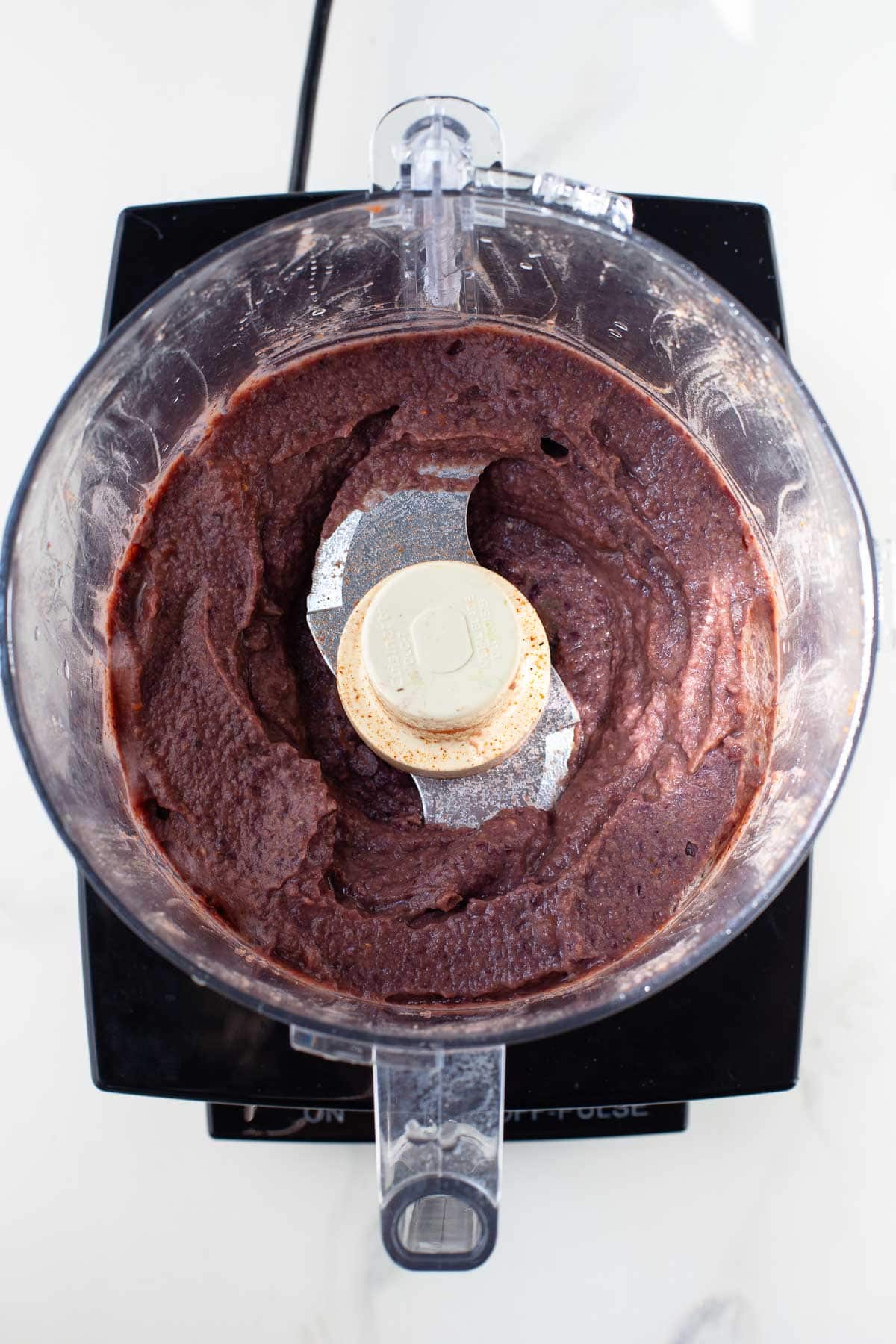
    Making filling. In a food processor, add beans, taco seasoning, salsa, and lime juice and pulse until smooth and creamy, about 45 seconds.

    Assemble tacos. Place tortilla on greased baking sheet and spread black bean mixture over one side then top with shredded cheese. Fold tortilla over to create a taco. Repeat with remaining tortillas.

    Bake tacos. Bake tacos for about 8-10 minutes, then flip them over and bake until golden-brown and crispy, about another 8 minutes. Let cool on the pan for about 2-3 minutes before serving with Avocado Lime Crema and any other desired toppings.

    Tips from the expert (thaaaat’s me!)

    I use a food processor to incorporate all of the filling ingredients together, but if you don’t have one you can also use a high-speed blender. 

    Corn tortillas break easily. Warming them in the microwave beforehand will help but you may find they crack a little as they cook – they’ll still taste just as delicious!

    close up of crispy black bean tacos with avocado lime crema, sliced lime, and cilantroclose up of crispy black bean tacos with avocado lime crema, sliced lime, and cilantro

    Storage and Preparation

    Leftovers can be stored in an airtight container in the refrigerator for 3-4 days.

    Tacos can be stored in an airtight bag or container in the freezer for up to three months. Defrost overnight in the refrigerator before reheating.

    To reheat, place in the microwave for about 60 seconds or until heated through. Or, preheat the oven to 350 degrees F and bake on a baking sheet for about 10-15 minutes, or until heated through.

    Recipes That Pair Well

    Avocado Lime Crema

    The Best Mexican Street Corn Dip

    Vegetarian Nachos

    Roasted Potato Nachos (Sheet Pan)

    Blackened Corn

    black bean taco dipped into avocado lime cremablack bean taco dipped into avocado lime crema

    For more taco inspiration, check out my other recipes below! 

    Blackened Salmon Tacos with Corn Avocado Salsa

    Buffalo Cauliflower Tacos with Ranch Slaw

    Instant Pot Jackfruit Tacos

    Vegan Butternut Squash and Tempeh Tacos with Salsa Verde

    If you like this recipe, please be sure to comment and give it a 5 star rating below. If you make it, share it on Instagram and tag me @karalydonrd and I’ll re-share it with my followers! If you want to save this recipe for later, be sure to pin it on Pinterest!

    Don’t ever miss a recipe! Sign up to receive my monthly newsletter with a round-up of recipes from the previous month and get my FREE guide when you sign up: Rediscover the Joy in Eating: 5 Simple Steps to Stop Stressing Over Food + Enjoy Every Bite

    Print

    clock clock iconcutlery cutlery iconflag flag iconfolder folder iconinstagram instagram iconpinterest pinterest iconfacebook facebook iconprint print iconsquares squares iconheart heart iconheart solid heart solid icon

    Description

    Ready in less than 30 minutes, this quick vegetarian meal is about to become a new weeknight favorite. Baked in the oven on a sheet pan, these crispy black bean tacos with cheese are extra delicious when dipped into my tangy Avocado Lime Crema.

    2 tablespoons olive oil
    1 can black beans, rinsed and drained
    1/2 teaspoon taco seasoning
    1/2 cup mild salsa
    1 tablespoon lime juice
    1.5 cups Mexican shredded cheese
    8–10 corn tortillas
    2 tablespoons olive oil
    Avocado Lime Crema, for serving

    Preheat oven to 450 degrees F. Grease a large baking sheet with olive oil.
    In a food processor, add beans, taco seasoning, salsa, and lime juice and pulse until smooth and creamy, about 45 seconds.
    Place tortillas on a microwave-safe plate and cover with a damp paper towel. Microwave for 1 minute and place in a zipper storage bag so they retain their moisture until ready to use, making them more pliable to work with and less prone to breaking.
    Working with one tortilla at a time, place tortilla onto the greased baking sheet, making sure its covered in oil. Spread black bean mixture over one side of the tortilla and top with shredded cheese. Fold tortilla over to create a taco. Flip taco so the side with the cheese is closest to the baking sheet (this will help the taco stay closed). Repeat for the remaining tortillas.
    Bake tacos for about 8-10 minutes, then flip them over and bake until golden-brown and crispy, about another 8 minutes.
    Let cool on the pan for about 2-3 minutes before serving.
    Serve with Avocado Lime Crema and any other desired toppings like cilantro, sour cream, avocado or pico de gallo.

    Notes

    Corn tortillas break easily. Warming them in the microwave beforehand will help but you may find they crack a little as they cook – they’ll still taste just as delicious!

    Prep Time: 10 minutesCook Time: 16 minutesCategory: DinnerMethod: Sheet PanCuisine: Mexican

  • 2 Week Healthy Meal Plan #9 with Grocery List

    2 Week Healthy Meal Plan #9 with Grocery List

    2 Week Healthy Meal Plan #9 with Grocery List – The Real Food Dietitians


    Privacy & Cookies Policy

  • Cleansers 101: How Often Should You Wash Your Face?

    Cleansers 101: How Often Should You Wash Your Face?

    A facial cleanser should be an integral part of your daily skin care routine. Cleansers help remove dead skin cells, dirt and unwanted debris from your complexion. Clearing the skin helps us avoid breakouts caused by harmful bacteria buildup or dirt trapped in your pores. But sometimes we can get a little too passionate about our skin care routine and actually over-cleanse, causing damage to our skin barrier while overstripping moisture. So, how often should you wash your face? And which types of cleanser should you use? Read on to find out. 

    Benefits Of Cleansing | Types Of Facial Cleansers | How Often Should You Wash Your Face? | How To Cleanse Properly

    Benefits Of Using A Facial Cleanser

    With today’s long-wearing makeup and exposure to environmental stressors and pollution, it’s necessary to take the time to fully cleanse your skin at the end of the day. In addition to removing makeup and impurities, cleansing also helps prepare your skin to better absorb the active ingredients in toners, masks, serums, moisturizers and oils. Eminence Organic Skin Care’s lineup of cleansers allows for this routine to fit for a variety of skin types. Here are some of the main benefits of facial cleansers: 

    Removing Build Up

    Removing all the grime, oil and makeup that was built up throughout the day is essential for healthy-looking skin. The skin on your face is continually exposed to pollution, dirt, bacteria and is also subject to a buildup of skin cells. We recommend cleansing daily to target all these factors while keeping your skin clean and fresh. Failing to wash your face means your skin undergoes prolonged exposure to a layer of sweat, dirt and grime which you would then layer on other products on top of. This traps debris into your pores. If your pores are filled with oil, bacteria or dirt, then you’re far more likely to develop breakouts.

    Allowing Sebum Oil To Reach The Surface

    Sebum is the waxy, oily secretion produced by tiny sebaceous glands under your skin. These glands use hair follicles to let oil reach the surface of the skin, keeping your hair and skin moisturized. Sebum is crucial for keeping the skin hydrated and protected from bacteria and fungi. Regular cleansing clears away blockages and buildup, allowing the sebum to reach the surface, which reduces your chance of breaking out. 

    Maintaining Hydration 

    Cleansing helps manage pH levels of the skin, keeping skin hydrated and balanced. Particularly if you use a hydrating cleanser, your skin will maintain the proper level of hydration so that you avoid developing dry skin. 

    Types of Facial Cleansers

    Powder Cleansers

    A powder cleanser is a unique, dry formula that transforms into a luxurious, creamy lather when activated with water. The finely milled powders — often enriched with botanical enzymes and extracts — work to remove impurities, excess oil and dead skin cells, leaving your complexion soft, smooth, and radiant. Suitable for all skin types, a powder cleanser offers a customizable experience, allowing you to adjust the consistency and exfoliation level to suit your skin’s needs.

    Gel Cleansers

    Like the name implies, gel cleaners tend to have a gel-like consistency, designed for unclogging pores while removing excess oil and acne-causing bacteria from the surface of your skin. As a result, gel cleansers are ideal for oily skin types. Gel cleansers would be ideal for those wanting to remove excess oil and minimize the appearance of pores by keeping the skin free of gunk. 

    Cream Cleansers

    Cleansers with a cream base deeply nourish and moisturize the skin while washing away makeup and other impurities. Cream cleansers are ideal for dry skin or sensitive skin types because they rehydrate the skin while also removing unwanted buildup from the previous day, such as dirt, sebum or makeup. Cream cleansers are a typically thicker texture and cleanse your skin without stripping it of any of its natural oils.

    Foam Cleansers

    These lightweight skin care products create a foamy lather when dispensed from a pump package. They remove excess oil as effectively as gel cleansers and are great for combination skin. Avoid foam cleansers if you have dry skin as the consistency will leave your skin feeling tight and dry.

    Cleansing Oil

    Cleansing oils provide an easy removal of all oil-based products, such as makeup and sunscreen, while also keeping your skin smooth and silky. Oils are a special type of solvent that are naturally attracted to other oils, which allows for quick dissolving of oil-based products. 

    Exfoliating Cleanser

    An exfoliating cleanser can be in the form of a physical or chemical exfoliating cleanser. A chemical exfoliating cleanser simultaneously cleanses and gently exfoliates the skin because its formula contains a small percentage of an acid. A physical exfoliating cleanser may contain tiny granules also designed to slough off dead skin cells while providing a cleanse at the same time. 

    Now that you’ve decided on the best type of cleanser for you, how many times should you actually cleanse and wash your face each day? 

    How Often Should You Wash Your Face? 

    According to Healthline.com, “Every person should wash their face both morning and night.” If you can only commit to a wash once daily, do it before you go to bedtime, so you’re not putting your face on the pillow and trapping the dirt and oil deeper into the skin. Some people with dry skin don’t like cleansing twice a day as it feels too drying for their skin. If that’s the case, re-consider the type of cleanser you are using or you can simply cleanse once before bedtime. 

    Overcleansing (three or more times a day), or using a harsh cleanser such as a bar of soap, may weaken the skin barrier, leading to dry, dull or irritated skin. Cleansing should never lead to irritation, so if your skin is starting to feel tight and dry after washing, you may be going overboard. A healthy, functioning skin barrier means the skin looks firm and plump. The skin barrier should block environmental irritants out naturally, while keeping all the good stuff in like natural oils, and moisture. 

    How To Cleanse Properly

    According to the Academy Of Dermatology, here are the best tips and steps for cleansing correctly.

    Apply lukewarm water to your face. Then apply your cleanser, gently rubbing it in with your fingertips. Using a washcloth, sponge, or anything other than your fingertips can lead to irritation.
    Refrain from scrubbing with something other than a specially formulated physical exfoliant. This can cause redness and irritation.
    Rinse the cleanser off with lukewarm water and pat dry with a soft towel.
    Apply moisturizer, especially if you have dry or itchy skin. 
    Limit washing to twice a day maximum, although if you have sweated profusely you can also wash your face afterwards. 
    Wash your face once in the morning and once in the evening, as well as after profusely sweating. 
    Follow the instructions of the cleanser. The cleanser brand will also provide how best to use their cleansers.

    How many times a day do you cleanse? Check out our lineup of cleansers to see which type is for you.

  • How to Cook Spaghetti Squash (Easy Step-by-Step Guide)

    How to Cook Spaghetti Squash (Easy Step-by-Step Guide)

    How to Cook Spaghetti Squash (Easy Step-by-Step Guide)


    Privacy & Cookies Policy

  • 16 High Protein Breakfast Ideas To Start Your Day Right

    16 High Protein Breakfast Ideas To Start Your Day Right

    16 High Protein Breakfast Ideas To Start Your Day Right


    Privacy & Cookies Policy

Padişahbet Giriş
new online casino
Padişahbet Güncel Giriş
Crypto Casino
Padişahbet
Betnano Giriş
Padişahbet Giriş